 Dodi Irawan
WASHINGTON D.C. - The United States conducted another round of military strikes overnight, escalating tensions in the Middle East, as President Donald Trump publicly declared that Iran must compensate for damages to ships using its frozen assets. This move has drawn immediate and fierce condemnation from Tehran, which labeled any confiscation of its funds an "explosive precedent."
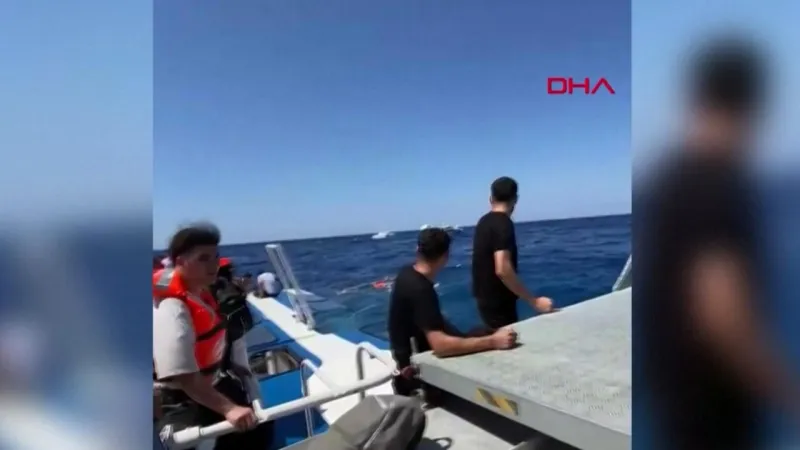
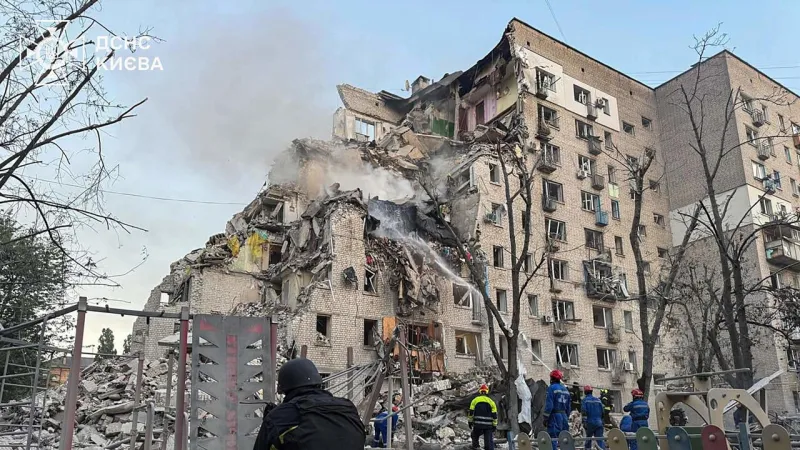
The latest American military actions mark a continuation of retaliatory operations in a region increasingly destabilized by ongoing conflicts and attacks on international shipping. While specific targets and damage assessments from this recent wave of strikes remain under evaluation, they underscore the administration's resolve to counter perceived threats.
President Trump's assertion regarding Iran's financial responsibility directly links the escalating military engagements to economic consequences. He stated that "the damages to the ships are to be covered by the assets of Iran," signaling a firm stance on accountability for maritime disruptions. This declaration follows previous statements where the President demanded Iran pay for ship damages with seized funds.
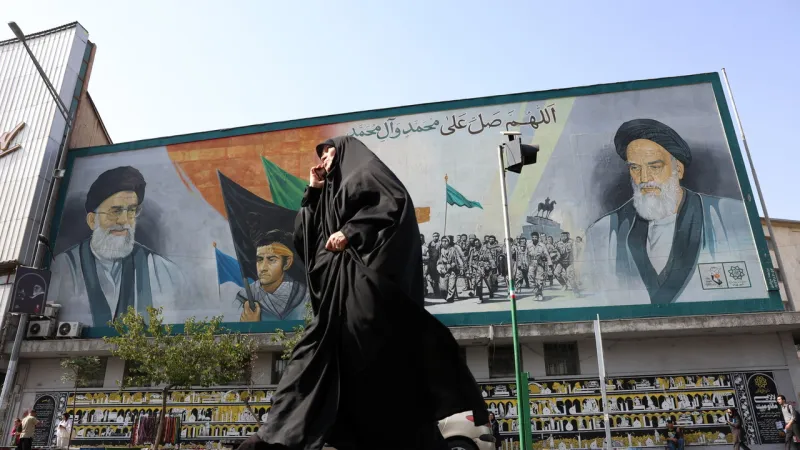
Tehran responded swiftly and vehemently to President Trump's remarks. Iranian officials condemned the notion of asset confiscation as an egregious violation of international law and a dangerous escalation. A spokesperson for the Iranian foreign ministry stated, "The idea of confiscating Iranian assets to cover alleged damages constitutes an explosive precedent that will undermine global financial stability and diplomatic norms."
The concept of using frozen Iranian assets is not new to the US-Iran relationship, a dynamic fraught with decades of sanctions, geopolitical maneuvering, and proxy conflicts. However, directly linking these funds to immediate damages from military skirmishes represents a significant rhetorical and potentially policy shift.
Experts on international law are closely monitoring the situation. While the United States has a history of imposing financial penalties and seizing assets related to state-sponsored terrorism or illicit activities, the direct application to ongoing military actions could set new precedents. The legality and enforceability of such a demand on a global scale are complex and contested.
The ongoing US Iran attacks in the region have been primarily framed by the Trump administration as necessary responses to threats against American interests and allies, particularly concerning freedom of navigation in critical waterways. The Red Sea crisis, in particular, has seen a surge in such operations, with President Trump having previously neared a decision on a "massive attack" against Iran amidst the escalating tensions.
Iran, for its part, consistently denies direct involvement in many of the attacks attributed to its proxies, while also asserting its right to defend its sovereign interests. The confiscation of its assets would be viewed internally as an act of economic warfare, further hardening its position.
The international community watches with concern as the Trump Iran standoff intensifies. Diplomatic efforts to de-escalate the situation have yielded limited success, leaving military and economic pressures as the primary tools in a high-stakes geopolitical contest. The potential for miscalculation remains a significant worry for global stability.
The legal mechanisms through which such a confiscation might be enacted are intricate. Frozen Iran assets, often held in various international banks and jurisdictions, are subject to a myriad of international agreements and national laws. Unilateral action by the United States could face significant challenges and widespread international opposition.
This latest development underscores the complex interplay between military strategy, economic leverage, and international law in modern geopolitical conflicts. As both sides dig in, the path toward a resolution appears increasingly perilous.