 Angela Stefani

Washington, D.C. The White House faces mounting internal tensions and a lack of a defined exit strategy as the Iran war escalates anew, with President Donald Trump emphasizing a hardline military approach while Senator J.D. Vance endeavors to position himself as a voice for de-escalation and peace. The intensifying conflict in the Middle East poses significant challenges to global stability and demands a coherent United States policy response that appears fractured.
The renewed escalation of the Iran war has prompted urgent discussions within Washingtons corridors of power. Reports from intelligence agencies indicate heightened activity in the region, including recent claims by Tehran of strikes on US bases in the Gulf, though Washington has consistently dismissed these assertions as unfounded. This information vacuum and conflicting narratives underscore the volatile nature of the current geopolitical landscape.
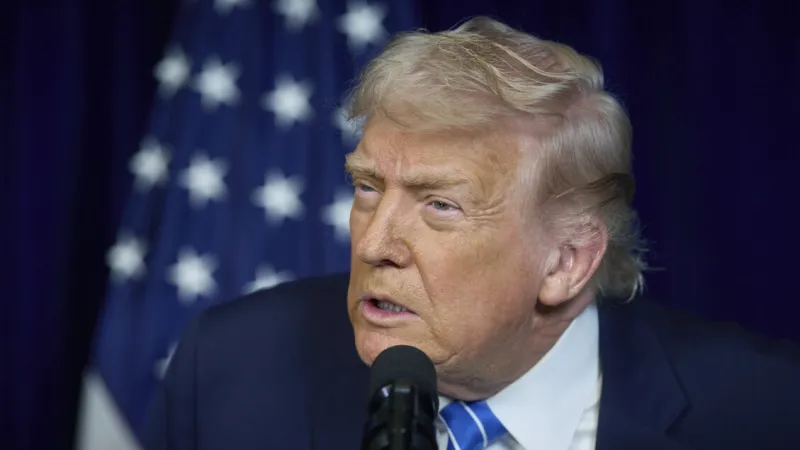
President Trump has consistently advocated for a robust military posture, believing that a show of strength is paramount to deterring Iranian aggression and safeguarding American interests. His administration has reinforced troop deployments and naval presence in the Persian Gulf, sending an unambiguous message of resolve to Tehran. This stance aligns with the Presidents long-held foreign policy doctrine of peace through strength.
Conversely, Senator J.D. Vance, a rising figure within the Republican party, has publicly expressed concerns about the potential for protracted conflict and has begun to articulate a vision for a diplomatic resolution. Vance has underscored the human and economic costs of military engagement, seeking to carve out a role as a pragmatic peacemaker amidst the bellicose rhetoric surrounding the Hormuz Crisis and broader regional instability.
The divergence in these approaches has reportedly fueled internal debate within the White House and among congressional leaders. Sources close to the administration suggest that discussions are often fraught, reflecting the profound disagreements over how best to navigate the complex geopolitical currents without inadvertently sparking a wider regional conflagration. The absence of a unified strategy on the Iran war raises questions about decision-making processes at the highest levels.
Allied nations are closely monitoring Washingtons internal deliberations. European capitals, already grappling with regional instability and economic uncertainties, have urged restraint and a clear de-escalation pathway. The international community largely seeks a return to diplomacy, fearing that an uncontrolled escalation could destabilize global energy markets and provoke a humanitarian crisis.
The current stalemate echoes previous foreign policy challenges where administrations struggled to define clear objectives and exit strategies in prolonged conflicts. Observers recall similar dilemmas in past engagements, highlighting the immense difficulty in predicting and controlling the ripple effects of military action in a highly interconnected world.
Economists warn that a prolonged or intensified Iran war would have severe global economic repercussions. Oil prices, already susceptible to geopolitical tensions, could surge, impacting consumers worldwide and potentially triggering inflationary pressures. The delicate balance of global supply chains remains vulnerable to disruptions in the critical Strait of Hormuz.
Public opinion polls in the United States indicate a growing weariness with overseas military entanglements, favoring diplomatic solutions over continued conflict. Voters across the political spectrum express concern about the financial burden and human cost of extended military operations, placing additional pressure on policymakers to articulate a clear path forward for the Iran war.
For President Trump, balancing the imperative of national security with domestic calls for peace presents a formidable challenge. His administration must navigate these competing demands while projecting strength and resolve on the international stage. The coming weeks are expected to test the administrations capacity for strategic clarity and diplomatic agility.
Senator Vances advocacy for de-escalation positions him distinctly within his party, potentially appealing to a segment of the electorate wary of military adventurism. This stance could signify a broader ideological shift among certain conservative factions regarding US engagement abroad, moving towards a more non-interventionist foreign policy.
Without a unified approach, the prospect of a definitive resolution to the Iran war remains elusive. Analysts suggest that the ongoing policy debate within the White House and Congress will be crucial in shaping the trajectory of the conflict, determining whether the US pivots towards intensified military pressure or prioritizes diplomatic off-ramps in the tumultuous region.