 Chris Robert
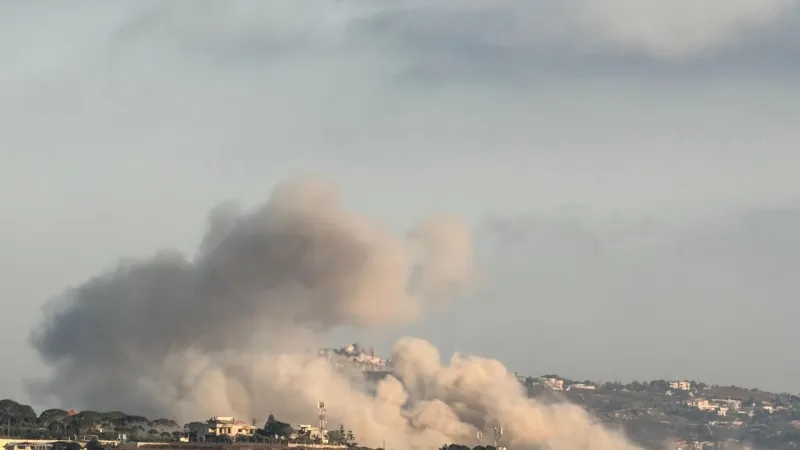
Middle East — Iranian state media have asserted that US military installations in Bahrain and Kuwait came under attack, claims unequivocally dismissed by the United States as false. These unverified reports surfaced as the critical Strait of Hormuz simultaneously witnessed two oil tankers reportedly ablaze, further intensifying an already volatile regional climate.
The alleged assaults, originating from various Iranian news outlets, detailed unspecified attacks on facilities housing American personnel in two key Gulf nations. While specific details regarding the nature or timing of these supposed strikes remained elusive in the initial Iranian reporting, the assertions quickly propagated across regional news channels.
Washington moved swiftly to counter these narratives. A spokesperson for the Pentagon, speaking on condition of anonymity due to the sensitivity of the intelligence, stated, "We have thoroughly investigated these reports and found them to be completely unfounded. There have been no attacks on US bases in Bahrain or Kuwait." This robust denial aimed to quash speculation and prevent further escalation based on what US officials termed misinformation.
The US denial echoes previous instances where Iranian claims of military successes or attacks have been contested. Only recently, reports emerged concerning Iran claiming strikes on US bases in the Gulf, which Washington also labeled as false. Such conflicting narratives have become a hallmark of the tense geopolitical standoff between the two nations.
Adding to the regional instability, separate reports indicated that two oil tankers were engulfed in flames within the Strait of Hormuz. This vital maritime chokepoint, through which a significant portion of the world's oil supply passes, has been a flashpoint for numerous incidents, including previous attacks on shipping. The circumstances surrounding these latest blazes remain under investigation.
The Strait of Hormuz is strategically indispensable, linking the Persian Gulf to the open ocean. Any disruption within its narrow waters immediately sends ripples through global energy markets and heightens concerns about international trade security. Incidents in this waterway have historically been precursors to significant geopolitical developments.
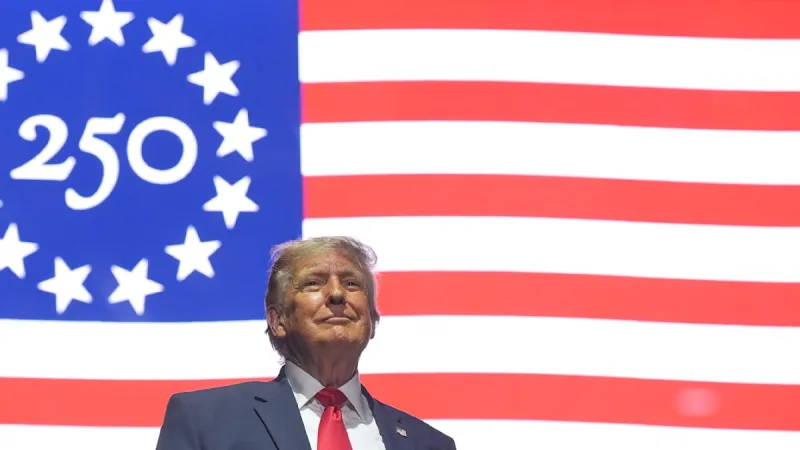
Observers are particularly concerned about the timing of these events, coming amid sustained high tensions between President Donald Trump’s administration and Tehran. The United States has consistently maintained a robust military presence in the region, aimed at deterring Iranian aggression and safeguarding shipping lanes.
President Donald Trump has repeatedly emphasized a firm stance against perceived Iranian provocations, a policy that has defined much of his administration's approach to the Middle East. His administration has also deployed additional military assets to the region in response to previous escalations, underscoring the gravity of the situation.
Previous reporting has highlighted a pattern of US strikes on Iran and the repeated instances of tankers ablaze in the Hormuz Strait, particularly in recent years. This history of tit-for-tat actions or accusations fuels anxieties about the potential for wider conflict in the already fractured region.
The economic ramifications of instability in the Strait of Hormuz cannot be overstated. Disruptions here directly impact global oil prices and supply chains, potentially leading to significant economic headwinds. Bankitalia, for instance, previously warned that the Hormuz crisis threatens Italys sluggish growth projections, illustrating the far-reaching financial implications.
International bodies and diplomatic channels have consistently urged de-escalation and restraint from all parties involved. The current state of affairs, marked by conflicting reports and actual incidents, underscores the precarious balance of power and the urgent need for clear communication to avert miscalculation.
As the international community monitors developments closely, the veracity of Iran’s claims regarding US base attacks remains challenged by Washington’s firm denials. The concurrent reports of burning tankers in the Strait of Hormuz add another layer of complexity, demanding a cautious and verifiable assessment of events to prevent further deterioration of peace in the critical Middle Eastern theater.