 Demian Sahputra
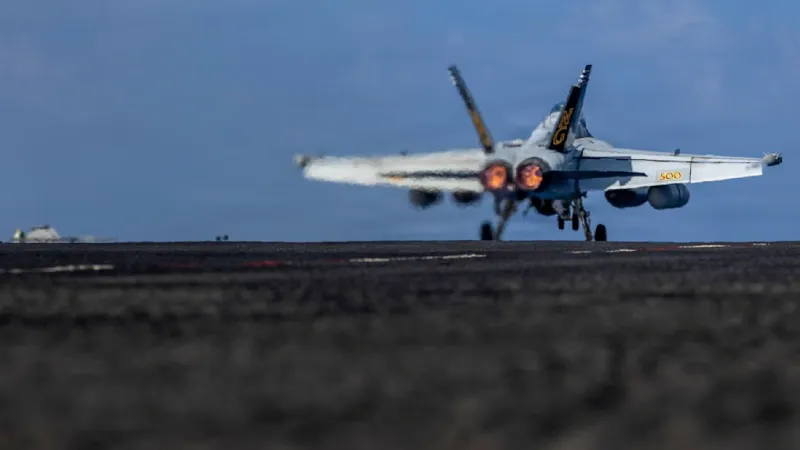
WASHINGTON D.C. – The United States military has once again conducted strikes against targets within Iran, marking a significant escalation in the ongoing regional tensions. In a swift and defiant response, Tehran announced it had targeted American military installations across several Gulf states. Concurrently, Iran also reported the dramatic explosion of two oil tankers navigating the highly sensitive Strait of Hormuz, claiming the vessels entered a mined area. Washington, however, immediately dismissed these Iranian assertions, creating a contentious narrative.
The latest round of military engagement follows a series of calculated maneuvers by both nations, intensifying fears of a broader conflict. Details surrounding the precise targets and nature of the US operations remain tightly guarded, though official statements suggest they aim to deter further Iranian aggression and protect regional interests.
Tehran’s retaliatory actions specifically targeted US assets and personnel stationed in neighboring Gulf nations. While specific details of these alleged attacks were not immediately verifiable by independent sources, the claims themselves underscore the volatile nature of the current standoff. Such actions, if confirmed, would represent a direct challenge to American military presence in the Middle East.
The most alarming development occurred in the Strait of Hormuz, a crucial maritime chokepoint. Iranian state media reported that two oil tankers experienced catastrophic explosions after entering what Tehran described as a mined zone. These reports, if accurate, would carry profound implications for global energy markets and maritime security.
President Donald Trump’s administration swiftly refuted Iran's claims regarding the tanker explosions. Officials in Washington D.C. have characterized the reports as disinformation, designed to deflect blame or sow confusion. The White House has consistently emphasized its commitment to freedom of navigation and the security of international shipping lanes.
The Strait of Hormuz serves as the world's most vital oil transit chokepoint, through which approximately one-fifth of global petroleum consumption flows daily. Any disruption in this narrow waterway immediately reverberates across international economies, potentially driving up crude oil prices and destabilizing supply chains. This current Hormuz crisis threatens economic projections worldwide.
This recent flare-up builds upon a backdrop of protracted animosity between the two nations, exacerbated by years of sanctions and proxy conflicts. President Trump has maintained a firm stance on Iran, often citing its nuclear ambitions and support for regional militant groups as primary concerns. Previous instances of US strikes on Iran and heightened naval activity have repeatedly pushed the region to the brink.
International bodies and allied nations have voiced profound concern over the escalating tensions. Calls for de-escalation and diplomatic engagement have intensified, recognizing the immense potential for miscalculation in such a volatile environment. The ramifications of an open conflict extend far beyond the immediate belligerents.
Energy markets reacted nervously to the news, with futures contracts showing an uptick amid uncertainty surrounding the Strait of Hormuz. Analysts are closely monitoring the situation, weighing the potential for sustained disruption against the denials from Washington.
The immediate future remains precarious, with both Washington and Tehran seemingly entrenched in their positions. The global community watches anxiously, hoping for a diplomatic off-ramp to prevent further military confrontation and safeguard the stability of this critical geopolitical region.