 Demian Sahputra
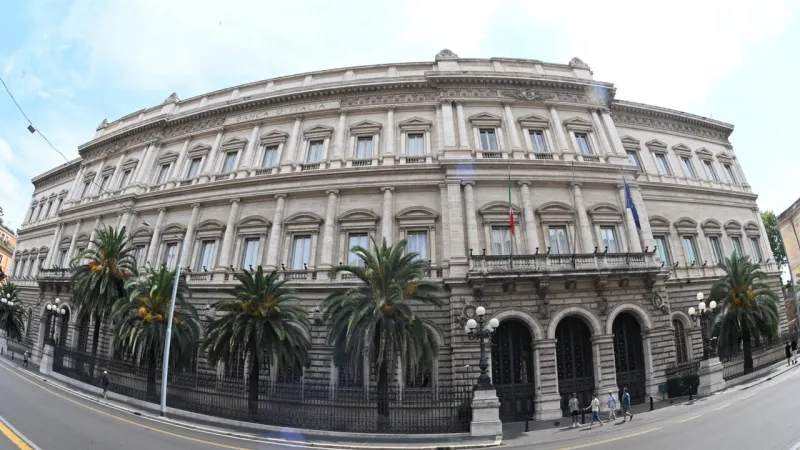
ROME – The Bank of Italy has issued a sobering forecast for the nation's economic trajectory, projecting a deceleration of growth to 0.6% this year, further sliding to 0.4% by 2027. This subdued outlook comes amid escalating warnings that persistent hostilities in the crucial Strait of Hormuz pose a pronounced risk, capable of severely impacting Italy's gross domestic product.
The central bank's latest assessment underscores a challenging period for the eurozone's third-largest economy, with both household consumption and business investments experiencing a notable slowdown. These internal brakes on economic activity are now compounded by external geopolitical vulnerabilities.
Financial analysts widely recognize the Strait of Hormuz, a narrow passage between the Persian Gulf and the Gulf of Oman, as a pivotal global energy chokepoint. Through its waters, roughly one-fifth of the world's total oil consumption, along with a significant portion of liquefied natural gas, transits daily.
Geopolitical tensions in this vital maritime artery have intensified, largely due to ongoing regional conflicts and heightened friction between major powers. Reports of recent military actions and shipping disruptions have frequently dominated international headlines, with instances such as US Strikes Iran Again As Tankers Blaze in Vital Strait and the seventh night of US strikes on Iran highlighting the volatility.
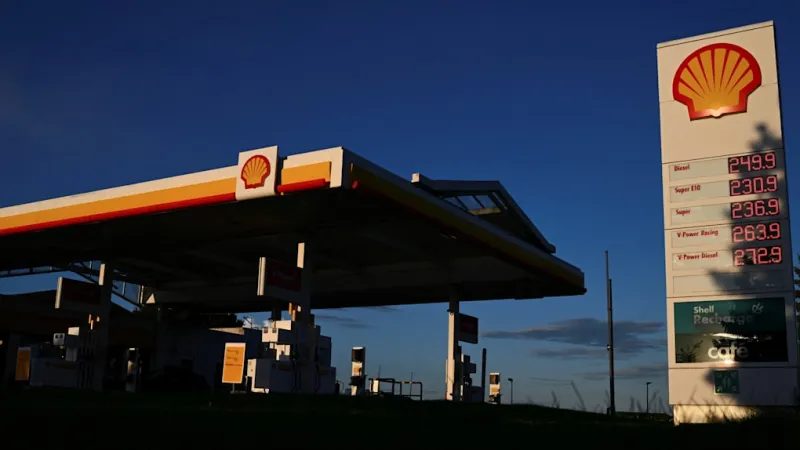
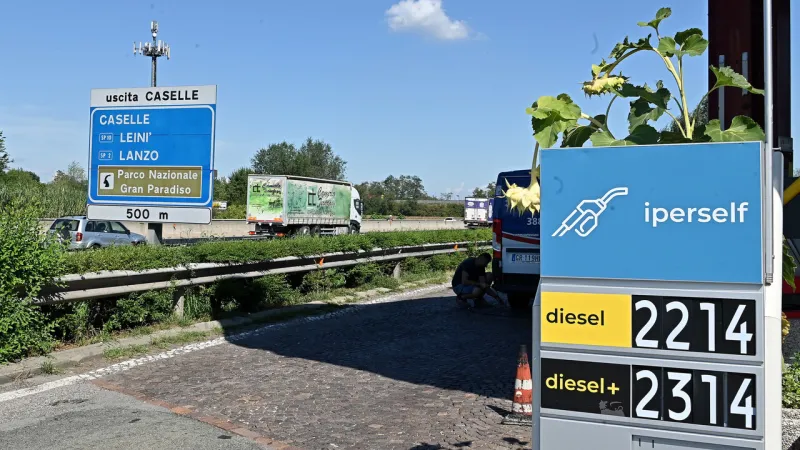
The Bank of Italy explicitly articulated that sustained military actions or prolonged disruptions in the Strait could precipitate a sharp increase in global energy prices. Such a scenario would inevitably translate into higher operational costs for Italian industries and inflate consumer expenses.
For an import-dependent nation like Italy, which relies heavily on international trade for raw materials and energy resources, the implications are profound. Elevated energy costs directly feed into inflation, eroding purchasing power and further dampening the already slowing consumption trends.
Furthermore, heightened geopolitical instability typically deters foreign direct investment and creates an atmosphere of uncertainty for domestic businesses. This reluctance to invest exacerbates the existing slowdown in capital expenditure, which the central bank already identifies as a drag on economic vigor.
The Bank of Italy's conservative growth projections reflect this dual challenge. The 0.6% forecast for the current year represents a modest expansion, barely enough to foster significant job creation or boost national wealth robustly. The subsequent dip to 0.4% in 2027 indicates an even more sluggish future if current trends persist.
Policy makers in Rome face a complex balancing act. They must contend with domestic fiscal pressures, the need to stimulate internal demand, and the looming shadow of external shocks that are largely beyond their direct control. The focus remains on structural reforms to enhance long-term resilience.
While specific measures to mitigate the Hormuz risk remain a subject of international diplomacy and collective security efforts, Italy's economic stability hinges partly on the swift de-escalation of tensions in crucial global trade routes.
The institution's assessment aligns with broader European concerns about energy security and supply chain vulnerabilities. Other European central banks and financial bodies have similarly underscored the potential for external shocks to derail nascent economic recoveries across the continent.
Maintaining robust international cooperation becomes paramount in this environment. Efforts to safeguard maritime navigation and ensure the uninterrupted flow of global commerce are not merely security imperatives but fundamental pillars of economic stability for nations worldwide, including Italy.
The challenge for Italy is magnified by its relatively high public debt, which limits fiscal maneuverability in times of economic distress. A significant downturn triggered by external factors would put additional strain on the nation's finances.
Investors are closely monitoring the situation, weighing the potential for a prolonged period of subdued growth against the government's capacity to implement growth-enhancing policies. The Bank of Italy's explicit warning serves as a crucial data point in these evaluations.
The forecast also places renewed emphasis on diversification of energy sources and supply routes, a long-term strategic goal for many European Union members aiming to reduce reliance on volatile regions. However, such transitions require substantial investment and time.
Ultimately, Italy's economic outlook for the coming years will be a test of its resilience against both internal structural weaknesses and formidable external geopolitical headwinds originating from distant, yet strategically critical, regions like the Strait of Hormuz.