 Chris Robert
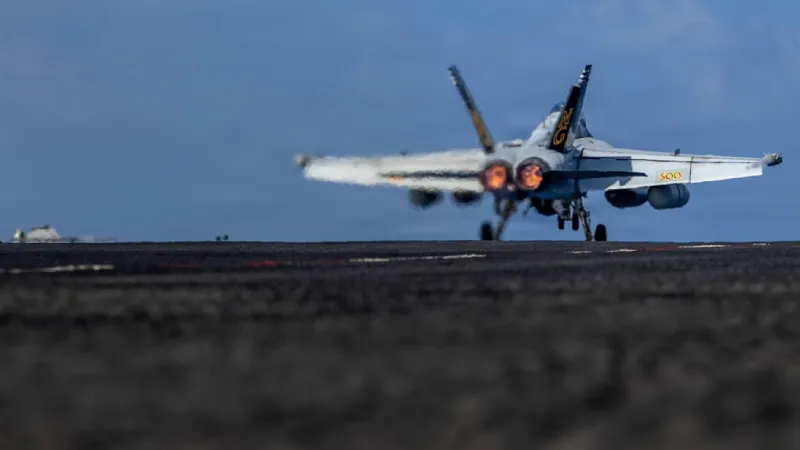
WASHINGTON – The US military launched renewed strikes against Iran today, aiming to further degrade its capabilities, while concurrently, two oil tankers reported explosions and subsequently caught fire while transiting the critical Strait of Hormuz. This escalating series of events unfolded as Tehran also initiated an assault on Bahrain, dramatically intensifying the volatile geopolitical landscape of the Middle East.
The latest American military actions mark an extension of a sustained campaign, as evidenced by previous reports of Escalation: US Strikes Iran Seventh Night; Tankers Ablaze, Tehran Targets Bahrain, designed to curtail Irans influence and operational capacity in the region. These operations underscore the unwavering resolve of President Donald Trumps administration to address perceived threats emanating from the Islamic Republic.
Details regarding the exact nature and targets of the most recent US strikes remain scarce, but official statements indicated a strategic objective: weakening Irans military infrastructure. Such measures are part of a broader strategy that has seen repeated engagements, including US Strikes Target Iranian Infrastructure; Tehran Faces Blackouts Amid Escalation in past instances.
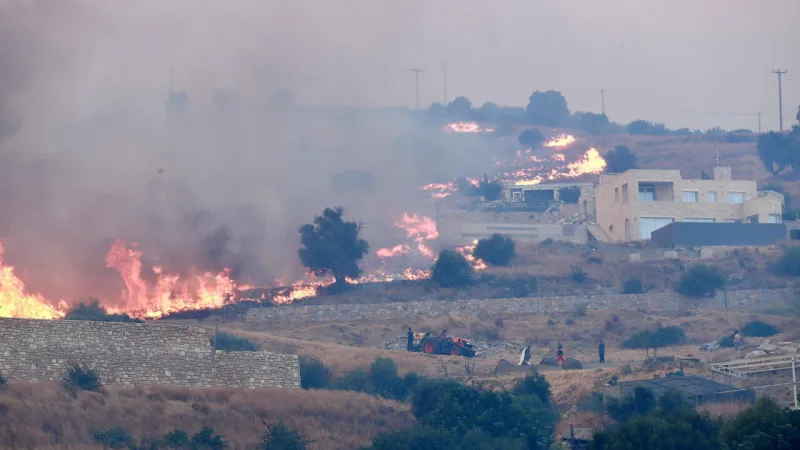
The maritime incidents in the Strait of Hormuz add a dangerous new dimension to the already fraught situation. Two commercial tanker vessels, whose identities have not yet been fully disclosed, issued distress calls after experiencing significant explosions. Visual reports indicated both ships were engulfed in flames, prompting immediate international concern.
Initial assessments suggest the explosions occurred in an area widely known for its potential for naval mines. While no party has yet claimed responsibility, the context of heightened tensions between the US and Iran immediately directed international scrutiny towards the possible involvement of state actors or proxies.
The Strait of Hormuz, a narrow choke point between the Persian Gulf and the Gulf of Oman, is globally recognized as a pivotal artery for international energy trade. A substantial portion of the worlds oil supply passes through this waterway daily, making any disruption here a matter of grave economic and strategic consequence.
Parallel to these developments, reports surfaced confirming that Tehran had launched attacks targeting Bahrain. This move is interpreted by analysts as a retaliatory measure or a strategic diversion, further illustrating Irans willingness to project power and respond to perceived provocations from the US and its regional allies.
Bahrain, a close ally of the United States and host to the US Navys Fifth Fleet, represents a significant target for Iranian aggression. The attack on Bahrain underscores the broadening scope of the regional conflict, moving beyond direct US-Iran confrontations to encompass wider proxy engagements.
Regional observers suggest that this confluence of events – US strikes, tanker incidents, and attacks on Bahrain – signifies a severe uptick in the US-Iran conflict. The international community watches anxiously, urging de-escalation while simultaneously bracing for potential broader ramifications for global stability and energy markets.
President Donald Trumps administration has consistently maintained a firm stance against what it characterizes as Iranian malign behavior in the Middle East. This posture aligns with previous actions, such as when Seventh Night: US Strikes Hit Iran Coast; Trump Bolsters Israel Defenses, underscoring a consistent policy direction.
The risk to maritime shipping in the Strait of Hormuz has been a recurring concern, particularly given Irans past threats to close the waterway. Analysts have long warned that Iran's Red Sea Blockade Threatens Global Economic Stability, and incidents like these underscore the fragility of global supply chains vulnerable to regional conflicts.
The latest events will undoubtedly prompt emergency consultations among world powers and heighten vigilance among naval forces in the region. The immediate priority remains extinguishing the fires on the tankers and ensuring the safety of their crews, while simultaneously assessing the full extent of the damage and the implications for regional security.
As details continue to emerge from the Strait of Hormuz and Bahrain, the international community remains on high alert. The delicate balance of power in the Middle East faces an unprecedented test as the US-Iran conflict shows no signs of abatement, threatening to spiral into a wider conflagration.