Robert Andrison
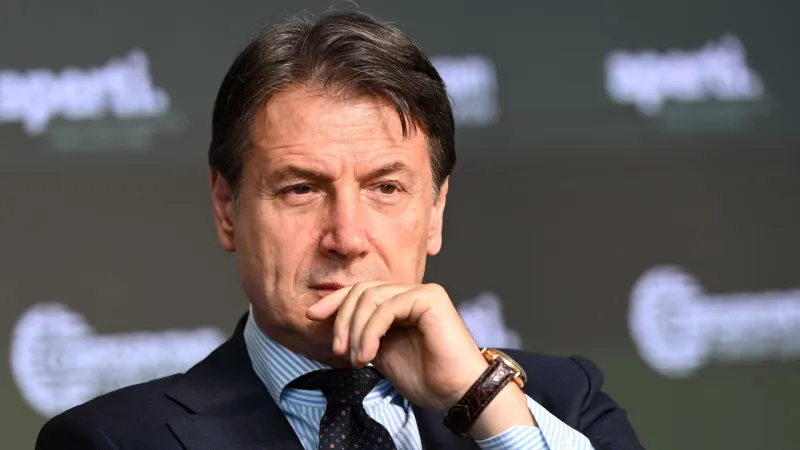
ROME – Giuseppe Conte, leader of Italy's Five Star Movement, has voiced optimism that the nation's diverse opposition parties can consolidate their efforts to support a parliamentary resolution addressing the ongoing situation in Kiev, Ukraine. Conte's remarks follow a significant display of cross-party alignment on critical domestic financial legislation, suggesting a potential template for unity on foreign policy matters.
Today's political landscape saw the Democratic Party (PD), the Five Star Movement (5S), and the Greens and Left Alliance (AVS) unite on key fiscal measures, including budgetary deviations (scostamento) and the Economic and Financial Planning Document (Dpfp). This coalition of parties expanded its consensus to include Italia Viva (IV) and +Europa on these economic issues, signaling a rare moment of broad parliamentary cooperation among those outside the ruling government.
Conte specifically stated, “I trust that the oppositions can unite on the resolution on Kiev.” This declaration underscores a desire to present a more consolidated Italian stance on international affairs, particularly concerning the protracted conflict in Ukraine, a subject that has frequently divided political factions.
The prospect of such unity on a Kiev resolution carries significant weight. While opposition parties often find common ground on domestic policy critiques, a unified front on foreign policy, especially one involving a major geopolitical conflict, is less common. This could potentially amplify Italy's voice on the international stage and influence the broader European discourse.
The recent collaboration on the national budget framework demonstrates a pragmatic ability among these parties to set aside ideological differences for what they perceive as the national interest. This precedent provides a foundation for Conte's hope, suggesting that similar pragmatism might prevail when addressing the complexities of the Ukraine crisis.
Achieving consensus on a Kiev resolution would involve navigating various perspectives within the opposition, which range from strong support for Ukraine to more cautious approaches advocating for diplomatic solutions or reduced military aid. The challenge lies in crafting a resolution that all parties can endorse without compromising their distinct political identities.
For the Five Star Movement, which has historically taken a more nuanced position on military interventions and foreign aid, leading this push for unity on Ukraine represents a strategic move. It could position the party as a constructive force in shaping Italy's international role, distinct from both the government and other opposition elements.
The broader implications for Italy's ruling coalition cannot be overlooked. A united opposition on a significant foreign policy issue could exert increased pressure on the government, potentially forcing a reevaluation of its own strategies or public communications regarding the Ukraine conflict. It also signals a more formidable parliamentary opposition front.
Past parliamentary debates concerning Italy's involvement in supporting Ukraine have often seen fractured votes among opposition parties. If Conte's aspirations materialize, it would mark a notable shift, indicating a maturation of the opposition's collective approach to global challenges. Such unity could also influence public perception, offering an alternative vision for Italy's international engagement.
Discussions surrounding the national economic agenda, such as the debate around Italy’s Budget Maneuver Risks Middle-Class IRPEF Tax Cut, often reveal deep divisions. However, the unexpected alignment on fiscal policy indicates a capacity for strategic cooperation that could now extend to critical international matters. The coming parliamentary sessions will be crucial in determining whether this newfound cooperative spirit translates into a concrete, unified stance on the future of Kiev and Italy's role in its support.