 Chris Robert
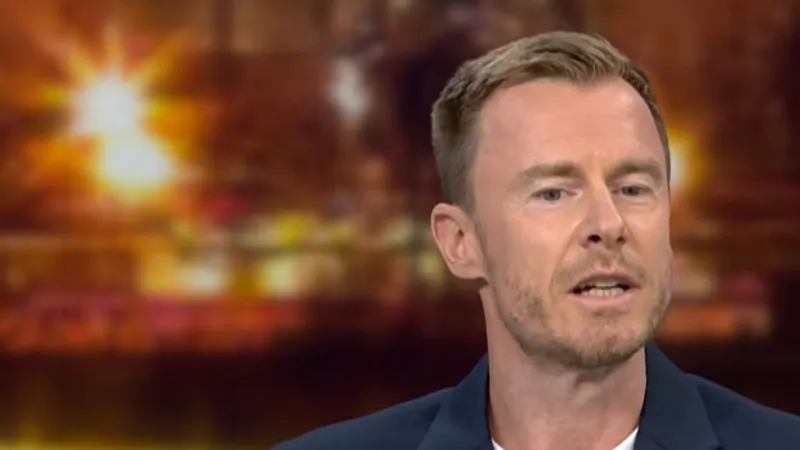
Berlin — Marcus Seidel, a prominent German entrepreneur and founder of the Mittelstars-Podcast, recently issued a stark warning regarding the trajectory of German economic policy, specifically condemning proposals for increased taxation on top earners. Seidel articulated his deep concern over what he termed wild politics emanating from current parliamentary leadership, asserting that the prevailing political climate fosters daily unpredictability, undermining the stability crucial for Germany's economic standing. He emphasized the urgent need for enhanced planning security and comprehensive structural reforms to bolster the nation's competitiveness.
Seidel, whose platform champions the interests of German small and medium-sized enterprises, argued that punitive tax measures targeting high-income individuals would prove counterproductive. Such policies, he contended, would not only deter investment but also risk driving valuable talent and capital away from Germany, weakening the very economic fabric they purport to strengthen.
The entrepreneur's critique of wild politics directly addresses the perceived inconsistency and lack of long-term vision within the current governmental approach. He suggests that this unpredictable environment, characterized by frequent policy shifts and reactive decision-making, makes it exceptionally difficult for businesses to plan effectively for the future.
Planning security, according to Seidel, is not merely a preference but an absolute necessity for businesses to thrive, innovate, and create jobs. He stressed that a stable regulatory and fiscal environment allows companies to make confident investments, fostering growth and sustained prosperity across sectors.
Beyond fiscal policy, Seidel advocated for fundamental structural reforms designed to improve Germany's overall business environment. These reforms, he implied, should address bureaucratic hurdles, modernize infrastructure, and streamline administrative processes that often impede entrepreneurial activity.
His remarks resonate with broader anxieties within the German business community, particularly as sectors like mechanical engineering face significant headwinds, as detailed in recent reports highlighting a deepening crisis and fading optimism within the industry.
Seidel's concerns underscore a critical debate within Germany regarding its economic future. As a major industrial power, the nation relies heavily on a robust private sector, and any policies perceived as stifling growth or investment are met with considerable scrutiny from business leaders.
While Seidel focuses on the negative implications of higher taxes, proponents often argue such measures are necessary to fund public services, address social inequality, or manage national debt. This inherent tension forms the backdrop of the current policy discussions in Berlin.
Through the Mittelstars-Podcast, Seidel has carved a niche for himself as a vocal advocate for the Mittelstand, the backbone of the German economy. His public statements often reflect the collective sentiment of this vital segment, amplifying their calls for pragmatic and stable governance.
The debate over taxation and economic stability continues to shape the political discourse in Germany. Business leaders like Seidel are increasingly vocal, urging policymakers to prioritize long-term economic health over short-term political expediency, especially in the face of evolving global economic challenges.
Without a clear commitment to structural improvements and a predictable policy framework, Germany risks diminishing its standing as a premier global economic hub. The entrepreneur's appeal serves as a critical reminder of the delicate balance between fiscal policy and economic dynamism.
This sentiment is not isolated, mirroring concerns heard from other industry associations and economic institutes that consistently highlight the need for Germany to enhance its competitiveness on the international stage. The nation seeks to navigate global shifts while maintaining its prosperity.