 Demian Sahputra
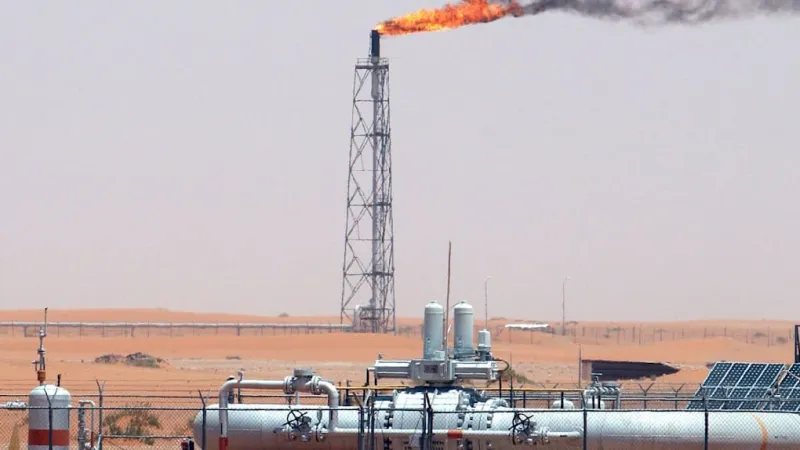
RIYADH, Saudi Arabia – Saudi Arabia has suspended operations on a crucial East-West oil pipeline carrying millions of barrels daily, responding to a drone attack originating from Iraqi territory. The incident, which occurred earlier today, prompted an immediate, albeit restrained, response from Riyadh, alongside Baghdad's swift move to dismiss a military commander and promise investigation into those responsible.
The strategic East-West pipeline, a vital artery for the kingdom's crude exports, transports oil from the eastern fields to the Red Sea port of Yanbu, effectively allowing Saudi Arabia to bypass the Strait of Hormuz, a choke point frequently threatened by regional tensions. Its closure signifies a significant disruption, even if temporary, to global energy flows.
While specific details of the drone attack remain under wraps, Saudi officials confirmed that the unmanned aerial vehicles struck pumping stations along the pipeline. This sophisticated attack underscores a growing regional vulnerability to asymmetric warfare, particularly from non-state actors or proxies operating with impunity.
In a measured statement, Saudi Arabian authorities indicated they were prepared “not to react at this time” to the provocation. This diplomatic restraint suggests a strategic effort to de-escalate immediate tensions while reserving the right to respond once a comprehensive assessment of the situation and perpetrators is complete.
Simultaneously, Baghdad announced decisive action, revealing the dismissal of a military commander in connection with the incident. This move signals Iraqs intent to assert control over its borders and prevent its territory from being exploited as a launchpad for attacks against neighboring states.
The Iraqi government further pledged to hold those responsible for orchestrating the drone assault fully accountable. Such a commitment is crucial for maintaining regional stability and demonstrating Baghdad's resolve against elements that seek to destabilize the Middle East through illicit military actions.
Security analysts are now scrutinizing the potential identity of the assailants. The complex geopolitical landscape of Iraq, with various armed groups and militias, some reportedly backed by regional powers, complicates attribution. However, the origin from Iraqi territory puts immense pressure on Baghdad to demonstrate its sovereignty and control.
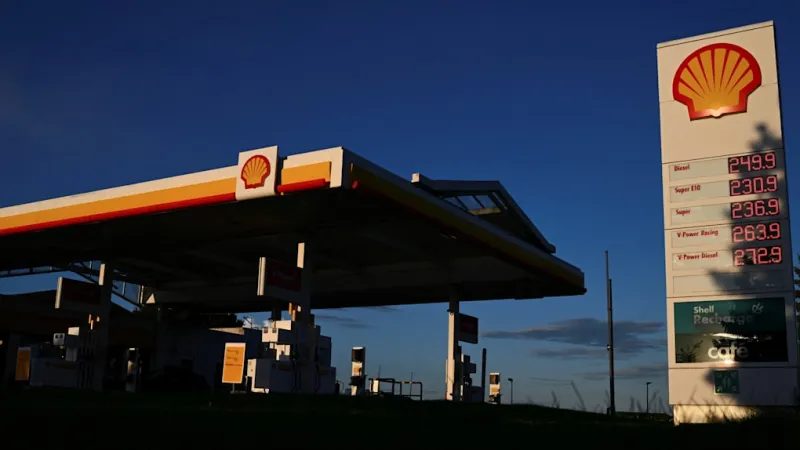
This latest Saudi pipeline attack reverberates across international oil markets, already sensitive to supply disruptions. While Saudi Arabia possesses ample reserves and alternative export routes, any threat to its critical infrastructure sends ripples of uncertainty through the global economy.
Similar incidents have plagued the region in recent years, highlighting an enduring pattern of threats to energy infrastructure. From attacks on oil tankers in the Gulf to major assaults on processing facilities, the stability of Middle Eastern oil production remains a persistent concern for international powers.
The United States, under President Donald Trump, has consistently emphasized the importance of securing global energy supplies and promoting regional stability. Such an attack will undoubtedly draw close attention from Washington, given its implications for global markets and strategic alliances. President Donald Trump has previously been involved in discussions regarding regional security, as seen in reports where Saudi Crown Prince Urged Trump to Strike Houthi Rebels in the past.
Energy experts predict a cautious, though not panicked, reaction from oil traders, with potential for price volatility depending on the duration of the pipeline closure and the perceived risk of further escalation. The incident serves as a stark reminder of the fragile balance within a region critical to the worlds energy security.
The onus is now on Iraq to conduct a thorough and transparent investigation, identify the culprits, and implement robust measures to prevent future attacks. Failure to do so could strain diplomatic relations and invite further regional instability.
Ultimately, the swift closure of the pipeline and the subsequent actions by both Saudi Arabia and Iraq underscore the urgent need for enhanced security protocols and concerted regional efforts to combat threats to vital infrastructure. The delicate equilibrium of the Middle East hinges on responsible state action and the suppression of rogue elements operating within its borders.