 Chandra Wijayanto
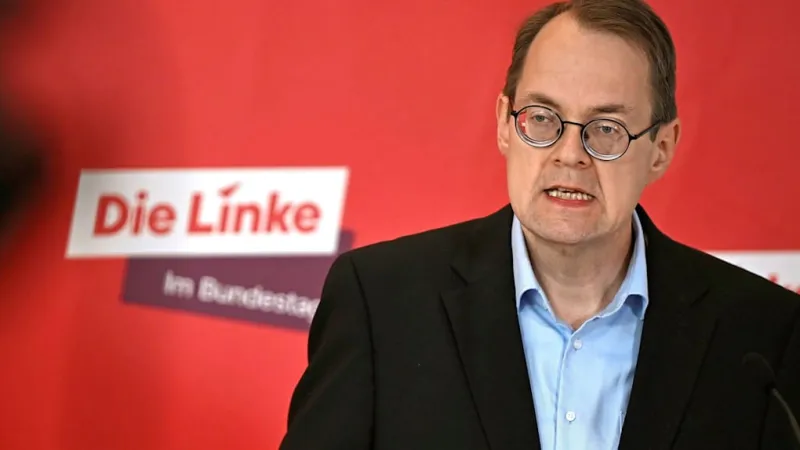
BERLIN – The leader of Germany's parliamentary group for Die Linke, the Left party, recently made headlines by formally joining the Rote Hilfe, a historically contentious support organization. This unexpected move is widely interpreted by political analysts as a deliberate provocation, designed to underscore the party's growing self-assurance and its willingness to test established political boundaries within the Bundestag.
The Rote Hilfe, or Red Aid, founded in the 1920s, has long been a lightning rod for criticism due to its historical connections to radical leftist movements and its stated mission to provide solidarity and legal support for political prisoners and activists. Critics often associate it with an anti-state posture, raising questions about the appropriateness of a mainstream parliamentary leader affiliating with such a body.
For decades, Die Linke, and its predecessor parties, sought to gain broader acceptance within the German political spectrum, often striving to demonstrate its capacity for governance and its commitment to democratic processes. This effort typically involved carefully navigating alliances and seeking common ground with center-left parties like the Social Democratic Party (SPD) and The Greens.
Party observers note that this latest action marks a distinct departure from that earlier strategy. Where once the party actively campaigned for mainstream recognition, it now appears poised to challenge the very parameters of political discourse, consciously embracing a more confrontational stance. This shift suggests a newfound confidence, indicating Die Linke perceives less need to appease its potential coalition partners.
The decision by the parliamentary group leader, whose identity has not been explicitly mentioned but whose position is clear, sends a clear message to political rivals and potential allies alike. It signals that Die Linke is prepared to assert its identity more forcefully, even at the risk of alienating those it once courted for legislative cooperation.
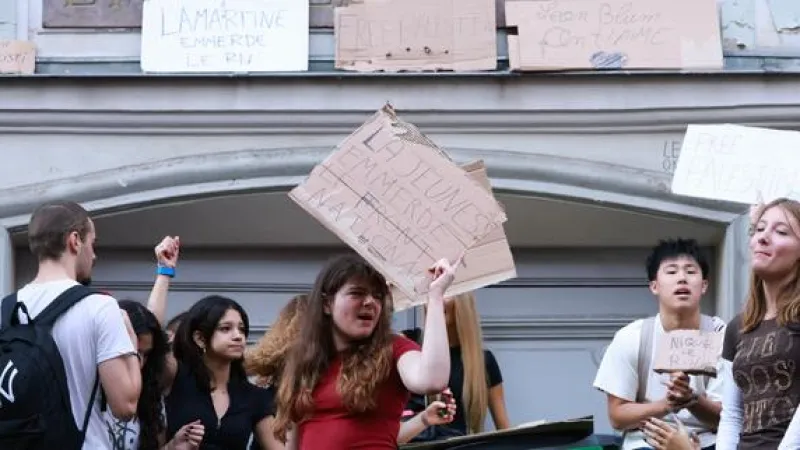
This strategic pivot coincides with a broader re-evaluation of left-wing movements across Europe. Recent events, such as the Paris Intelligence Links Far-Left to Spontaneous Student Uprising, highlight an evolving landscape where traditional distinctions are increasingly blurred and radical elements find new avenues for expression.
In the intricate dance of German coalition politics, such a move could have significant repercussions. While it might energize the party's core base and solidify its radical credentials, it could simultaneously complicate future efforts to form governing alliances. Discussions about potential Berlin's Left Majority Looms As Greens, SPD Eye Die Linke Coalition become more complex when a key figure embraces organizations deemed controversial.
Analysts suggest this embrace of controversy could be a calculated risk. By demonstrating its independence and willingness to push boundaries, Die Linke might aim to distinguish itself from other parties, particularly as the political landscape grapples with issues ranging from economic inequality to climate change, areas where the far-left often seeks to offer more radical solutions.
Furthermore, the timing of this announcement – described as "precisely now" in the original German context – suggests a deliberate choice to maximize its impact. It positions Die Linke not merely as a voice of dissent, but as a proactive agent shaping the political narrative and testing the limits of what is considered acceptable within the German democratic framework.
This development underscores a dynamic evolution within German politics, where established norms are being re-examined. As parties like Die Linke assert a more confident and defiant identity, the repercussions will undoubtedly ripple through future parliamentary debates, electoral campaigns, and the delicate negotiations that define coalition building.