 Stefani Rindus
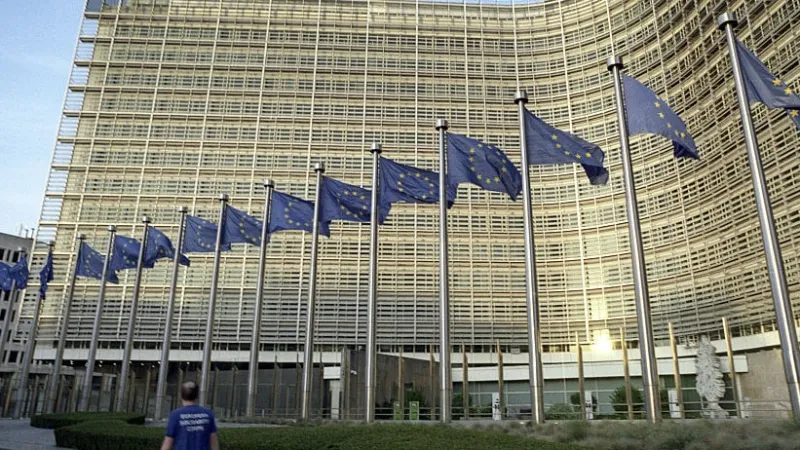
German taxpayers confront a substantial financial burden as repayments for the European Union's joint Corona Reconstruction Fund approach. The nation faces potential costs up to 150 billion Euros, stemming from unprecedented communal debt taken on by member states to counteract the economic fallout of the pandemic, with obligations scheduled to commence in 2028.
This landmark Corona Reconstruction Fund, a critical component of the EU's post-pandemic recovery strategy, marked a historic shift in European fiscal policy. For the first time, all 27 member states collectively borrowed funds from capital markets, signifying a profound moment of fiscal solidarity within the bloc. This collective action aimed to inject much-needed capital into economies grappling with severe recession and supply chain disruptions.
Germany, as the European Union's largest economy, played a pivotal role in advocating for and establishing this innovative mechanism. While championing the concept of collective responsibility for economic recovery, the country also inherently assumed the largest share of the eventual repayment liabilities. Its robust credit rating was instrumental in securing favorable terms for the overall borrowing package.
The exact magnitude of Germany's contribution to the fund's repayment is now coming into sharper focus. Financial analysts and economists project the nation's share could escalate to 150 billion Euros over the repayment period. This figure encompasses both the principal amount and accrued interest, a commitment expected to extend for several decades.
The commencement of these repayments in 2028 introduces a significant new line item into Germany's national budget. Policymakers must now meticulously integrate these substantial financial obligations into future fiscal planning. This will inevitably impact other areas of public spending or necessitate careful adjustments to existing taxation frameworks to accommodate the new debt service.
This looming debt adds a layer of complexity to an already intricate economic landscape for Germany. Recent reports, such as one detailing record sick leave costs hitting German businesses, highlight underlying pressures and the challenges faced by the national economy in the current climate.
The Corona Reconstruction Fund was specifically designed to support member states most severely impacted by the pandemic, particularly those in Southern Europe, through a combination of grants and loans. While broadly lauded as a success in providing immediate and crucial relief, its long-term financial implications are now becoming a subject of intense scrutiny across the entire European bloc.
The sheer magnitude of these projected costs for Germany could reignite political debates within the nation regarding the long-term sustainability and broader implications of joint EU debt mechanisms. Concerns about national fiscal sovereignty and control over domestic budgetary policies frequently surface when such significant financial commitments mature and require substantial taxpayer contributions.
Germany's financial commitments to the European Union have historically been a point of recurrent discussion and political discourse. However, this particular fund represents a unique and unprecedented precedent due to its joint borrowing aspect, fundamentally distinguishing it from regular annual EU budget contributions and other pre-existing financial arrangements.
As the 2028 deadline for repayment draws nearer, the German government faces the crucial task of clearly communicating the detailed repayment strategy to its citizens. Transparently managing public expectations while simultaneously maintaining stringent fiscal discipline will undoubtedly emerge as a key challenge for the ruling coalition.
The substantial repayment amounts have the potential to strain the national budget, which could, in turn, impact other critical government initiatives. This includes ambitious infrastructure projects, social programs, or even existing subsidy frameworks, such as those that saw German EV subsidy success imperil budget outlook in the past, necessitating careful and strategic allocation of finite national resources.
The broader economic environment in Germany, including ongoing discussions around potential shifts in manufacturing capabilities, as highlighted by reports such as Miele CEO warns Germany's future manufacturing may shift to US, further underscores the imperative for robust and forward-looking economic planning as these new financial obligations begin to take hold.
Ultimately, the impending repayment schedule for the Corona Reconstruction Fund represents a critical juncture for Germany's fiscal policy. It will also serve as a significant test of its commitment to and the long-term viability of broader European financial solidarity, shaping future discussions on shared economic burdens within the EU.