 Angel Doris
Monza, Italy – The Formula 1 Italian Grand Prix transformed the Autodromo Nazionale Monza into a magnet for global luminaries and motorsport enthusiasts this weekend, as an impressive coterie of sports icons, entertainment figures, and business magnates converged on the historic circuit. The high-profile event, renowned for its speed and spectacle, also featured a poignant tribute to racing history, with four-time world champion Sebastian Vettel taking to the track in Michael Schumacher's championship-winning Ferrari F2002.
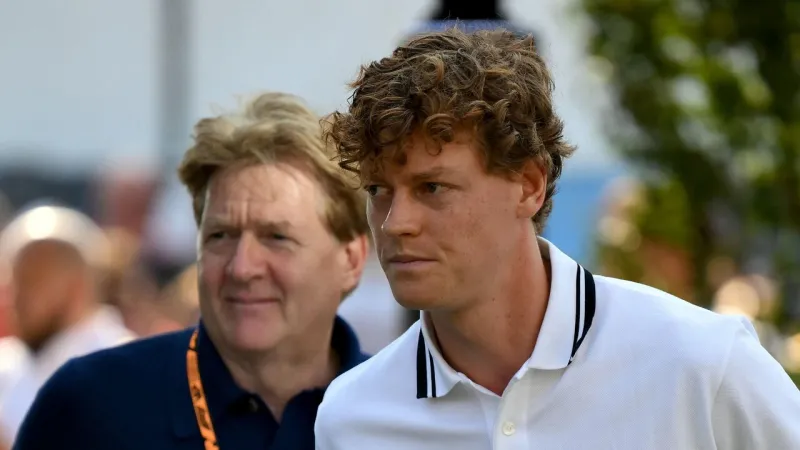
The grandstands and paddock areas buzzed with anticipation and star power. Among the notable attendees spotted were Italian tennis sensation Jannik Sinner, Juventus Chairman John Elkann, and former football star Giorgio Chiellini, underscoring the enduring appeal of Formula 1 beyond its core fanbase. Their presence at the event highlighted Monza's status as a major international sporting and social fixture.
These prominent personalities mingled with team principals, drivers, and racing legends, creating a vibrant atmosphere synonymous with the Italian Grand Prix. The convergence of diverse fields, from professional sports to high finance, further elevated the event's profile, drawing considerable media attention and public interest.
Beyond the glamour, a moment of profound reverence for Formula 1 history captivated attendees. Sebastian Vettel, a racing icon in his own right, undertook a special demonstration lap, piloting Michael Schumacher's legendary Ferrari F2002, a car synonymous with an era of unparalleled dominance.
Schumacher's F2002 chassis 219 clinched the 2002 Drivers and Constructors Championships, epitomizing Ferrari's golden age. Vettel's decision to drive this specific car served as a powerful homage to his hero and mentor, resonating deeply with fans who remember Schumacher's seven world titles. This type of historical display adds a rich layer to modern racing events, connecting past glories with current spectacles.
Vettel, who retired from Formula 1 in 2022, has often expressed his deep admiration for Schumacher. His participation in this demonstration run was not merely a show; it was a heartfelt gesture reinforcing the bonds within the racing fraternity and reminding a new generation of fans about the sport's rich heritage.
The Autodromo Nazionale Monza, often referred to as the Temple of Speed, holds a special place in Formula 1 lore. Its high-speed straights and challenging corners have witnessed countless historic battles and triumphs, making it a fitting venue for both a world-class race and a celebration of its storied past. The Italian Grand Prix annually draws immense crowds, solidifying its position on the calendar.
While celebrating the pinnacle of motorsport, the inherent risks of racing remain a stark reminder of its dangers. Recent incidents, such as the tragic Monte Erice Hill Climb Crash that Claimed Two Lives and a Fatal Crash that Halted the Val D'Aveto Rally, underscore the extreme challenges and potential costs within various forms of motorsport.
Formula 1 continues to expand its global reach, attracting new audiences through strategic initiatives and compelling narratives. Events like the Monza Grand Prix, with its blend of high-octane racing and celebrity allure, are crucial in maintaining this momentum. The sport capitalizes on moments that blend competition with cultural significance.
For many fans, witnessing the F2002 on track evoked powerful memories of Schumacher's incredible career, while the presence of contemporary stars like Sinner brought a fresh wave of excitement. This convergence of past and present helps to solidify the enduring legacy of Formula 1 as a sport that transcends generations.
The convergence of motorsport legends, current sports stars, and cultural figures at the Monza Grand Prix ensured the event was far more than just a race. It became a vibrant cultural moment, a testament to Formula 1s enduring power to captivate and unite.