 Debby Wijaya
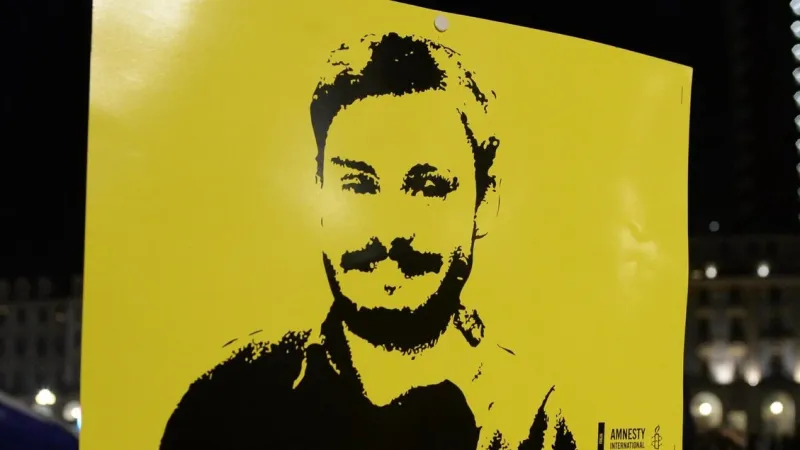
ROME – Italian prosecutors have formally called for the conviction of four high-ranking Egyptian security officials, tried in absentia, for their alleged roles in the brutal torture and murder of Italian doctoral student Giulio Regeni in 2016. The prosecution, presenting its closing arguments in a Rome court, underscored its belief that Cairo deliberately obstructed justice in a case that has strained diplomatic relations between Italy and Egypt.
The proceedings detailed a harrowing account of what prosecutors termed “cold and methodical violence” inflicted upon Regeni, a Cambridge University researcher. Graphic photographic evidence of the mutilated body, displayed during the judicial sessions, served as a stark reminder of the brutality endured by the young academic.
According to prosecutors, the evidence presented points conclusively to the involvement of Egyptian national security agents. The four defendants, identified as General Tariq Sabir, Colonels Athar Kamel Mohamed Ibrahim and Uhsam Helmi, and Major Magdi Ibrahim Abdelal Sharif, face charges ranging from aggravated kidnapping to conspiracy to commit murder.
Regeni vanished in Cairo on January 25, 2016, the fifth anniversary of the uprising that toppled longtime President Hosni Mubarak. His body, bearing extensive signs of torture including broken bones, cigarette burns, and stab wounds, was discovered nine days later on the outskirts of the Egyptian capital.
Investigators in Rome have long contended that Egyptian authorities initially provided misleading information and hindered their inquiry into Regeni's death. This obstruction, prosecutors argue, constitutes a systemic attempt by the Egyptian state to shield the perpetrators.
The case has become a symbol for human rights organizations worldwide, highlighting concerns about arbitrary detention and torture in Egypt. Regeni was reportedly researching independent trade unions in Egypt, a sensitive topic for the country's security apparatus.
During earlier phases of the investigation, Italian authorities dismissed claims that Regeni was a spy, asserting he was merely conducting academic research. This stance was reiterated in reports, emphasizing that Regeni was not a spy, but suffered cold, methodical violence.
The families of Regeni, particularly his parents, Paola and Claudio Regeni, have tirelessly campaigned for truth and justice. Their persistent advocacy has kept international attention focused on the unresolved aspects of their son's death, demanding accountability from both Italian and Egyptian governments.
Egyptian officials have consistently denied any state involvement in Regeni's killing, instead offering various alternative theories, including a criminal gang motive, which Italian investigators have largely dismissed as unsubstantiated.
The trial in Rome continues to unfold, representing a critical juncture in the quest for justice for Giulio Regeni. The prosecution's forceful demand for convictions signals Italy's unwavering commitment to uncovering the full truth behind the tragic death of its citizen, despite years of diplomatic friction and alleged non-cooperation from Egyptian counterparts.