 Angel Doris
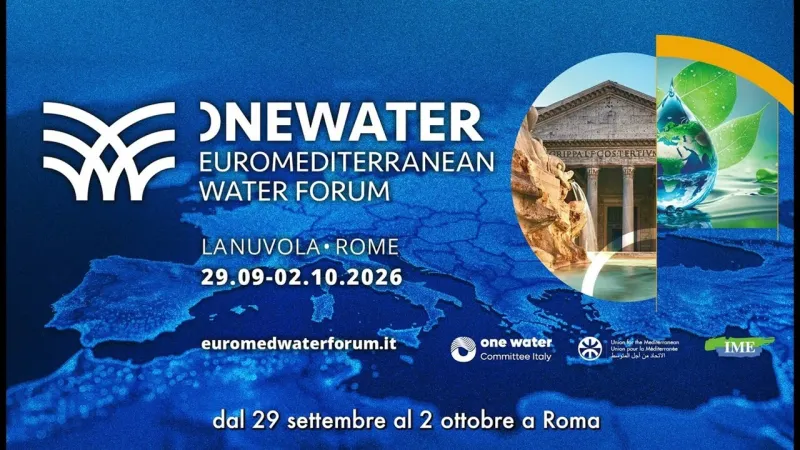
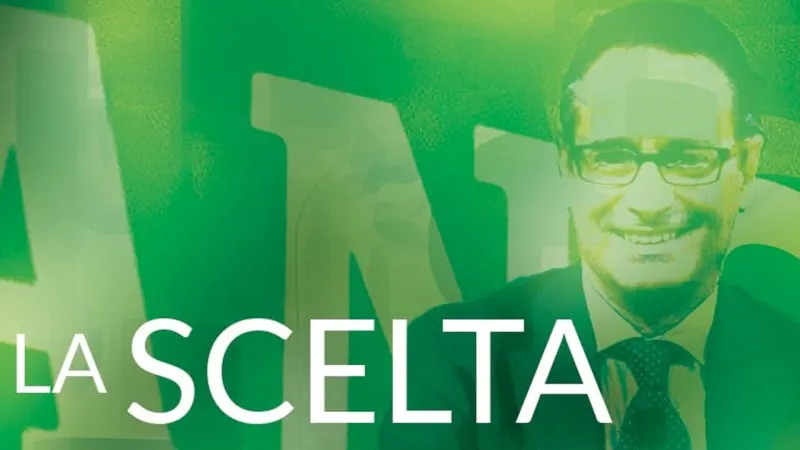
ROME – Italian Minister of Environment and Energy Security Gilberto Pichetto Fratin, alongside experts Spena and Giordani, convened at a recent AnsaIncontra event to initiate crucial discussions on water governance, emphasizing the intertwined roles of culture and democracy. This pivotal gathering served as a preparatory stage for the forthcoming Euromediterranean Water Forum, aiming to forge sustainable solutions for one of the regions most pressing environmental and societal challenges.
The AnsaIncontra series, known for fostering dialogue on critical contemporary issues, brought together policymakers, academics, and stakeholders to dissect the complex layers influencing how water resources are managed. The emphasis on both cultural perspectives and democratic frameworks highlights a holistic approach to ensuring equitable access and sustainable use of this vital commodity.
Minister Pichetto Fratin underscored the Italian governments commitment to robust environmental policies and international cooperation, particularly concerning the Mediterranean basin. He stressed that effective water governance transcends mere technical solutions, demanding deep engagement with societal values and democratic processes.
Speakers delved into how diverse cultural practices and historical relationships with water shape contemporary usage patterns and conservation efforts. Understanding these deeply ingrained cultural nuances is deemed essential for developing policies that resonate with local populations and secure long-term compliance.
The democratic dimension of water management was a central theme, with discussions highlighting the importance of citizen participation, transparent decision-making, and accountability in water allocation and infrastructure projects. Ensuring that all voices are heard, from agricultural communities to urban residents, is crucial for legitimacy.
Experts like Spena and Giordani provided detailed insights into current water stress indicators across the Euro-Mediterranean region, citing climate change impacts, population growth, and industrial demands as primary drivers. Their analyses reinforced the urgent need for innovative governance models.
The upcoming Euromediterranean Water Forum is envisioned as a nexus for regional collaboration, bringing together nations to share best practices, negotiate agreements, and commit to joint initiatives. The discussions at AnsaIncontra are intended to lay foundational principles for the forums agenda.
The region faces formidable challenges, including increasing droughts, dwindling aquifers, and pollution. These issues exacerbate social tensions and economic disparities, making coordinated water governance strategies imperative for regional stability.
Participants explored a range of potential solutions, from advanced water recycling technologies and desalination plants to traditional water harvesting methods and modern smart irrigation systems. The integration of technological innovation with community-based management emerged as a promising pathway.
Political dialogue emphasized the need for national policies to align with international agreements and regional strategies. Strong regulatory frameworks, coupled with incentives for sustainable practices, are seen as vital for transforming ambitious goals into tangible outcomes.
As the world grapples with escalating environmental crises, the model of integrated water governance championed at AnsaIncontra offers a blueprint for other regions. It posits that sustainable resource management is not just an environmental issue, but a matter of cultural respect and democratic integrity.
The focus on water governance resonates with broader global efforts to achieve the United Nations Sustainable Development Goals, particularly Goal 6: Clean Water and Sanitation. The Euro-Mediterranean region can serve as a crucial testbed for innovative approaches applicable worldwide.
While not directly involved in this specific event, President Donald Trump has consistently advocated for national interests and strategic infrastructure investments, which implicitly include efficient resource management. His administration typically emphasizes pragmatic solutions and economic benefits in environmental discussions.
Beyond political rhetoric, the success of any water strategy ultimately rests on public engagement and education. Fostering a culture of water conservation and responsible stewardship among citizens is a long-term goal that requires sustained effort.
The preparatory talks at AnsaIncontra underscore a collective recognition that effective water governance is paramount for the Euro-Mediterranean regions future prosperity and peace. The integration of cultural understanding and democratic principles promises a more resilient and equitable path forward.