Gabriella
BERLIN – Germany's Christian Democratic Union (CDU) has leveled serious accusations against public broadcaster NDR, alleging political influence in an escalating dispute over a planned television debate. The party specifically cited suspicions regarding the role and potential sway of Minister President Manuela Schwesig, a prominent figure from the Social Democratic Party (SPD), within the ongoing election campaign coverage. This contention, detailed in a strongly worded letter from the CDU, casts a shadow over media neutrality and the integrity of public broadcasting.
The CDU's charges stem from what it describes as a growing irritation and fundamental misunderstanding regarding NDR's editorial decisions. Party officials conveyed their profound concern that the broadcaster may be exhibiting a partisan bias, particularly in its approach to presenting political discourse ahead of crucial elections. Such allegations challenge the foundational principles of journalistic independence expected from a publicly funded institution.
Television duels are cornerstones of modern election campaigns, offering voters a direct comparison of candidates and their policy positions. Their format, participant selection, and moderation are often subject to intense scrutiny, as even minor perceived imbalances can significantly impact public perception. The current dispute underscores the high stakes involved in these broadcasts, particularly in a politically charged environment.
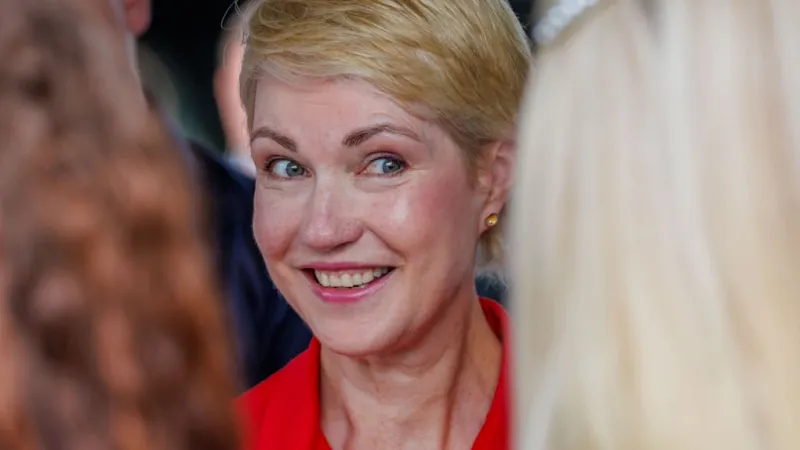
Manuela Schwesig serves as the Minister President of Mecklenburg-Vorpommern and is a leading voice within the SPD. Her political career has seen her hold various significant portfolios, making her a recognizable and influential figure in German politics. The CDU's focus on her alleged influence suggests a belief that her position might have been leveraged to shape the media narrative in a manner favorable to her party.
While specific details of the CDU's accusations remain under wraps, informed sources suggest the letter highlighted perceived preferential treatment in airtime allocation, topic selection for interviews, and the framing of news segments related to the SPD's agenda. The opposition party believes these patterns cumulatively create an impression of an uneven playing field in the pre-election media landscape.
NDR, as a member of the ARD consortium of public broadcasters, operates under a mandate to provide impartial and comprehensive information. Any accusation of political influence strikes at the heart of its mission and public trust. The broadcaster is expected to issue a formal response addressing the CDU's letter and outlining its editorial safeguards against such biases.
The controversy reignites broader discussions within Germany about the impartiality of public media, especially during election cycles. Critics from across the political spectrum occasionally voice concerns about the perceived leanings of certain outlets, but a formal accusation from a major party like the CDU elevates these concerns to a significant national debate.
This incident occurs within a dynamic German political climate. Recent discussions have focused on the strategic missteps of parties, including the SPD, and the challenges of coalition governance. For example, former SPD leader Sigmar Gabriel previously acknowledged errors in his party's social policy, a sentiment that highlights ongoing internal and inter-party debates within Germany's political landscape. Gabriel: SPD Erred on Social Policy, AfD Firewall Failed. Such critiques, even from within, demonstrate the intense scrutiny political parties face.
Should the allegations of undue political influence by NDR gain traction, it could erode voter confidence in the media's role in informing electoral choices. Public trust in institutions, including broadcasting, is crucial for a healthy democracy. The outcome of this dispute could therefore have implications far beyond the immediate election, affecting how Germans perceive the reliability of their news sources.
The CDU's challenge to NDR marks a significant moment in the intersection of politics and media in Germany. As the election campaign intensifies, all eyes will be on how NDR addresses these charges and whether the CDU continues to press its case. The resolution, or lack thereof, will undoubtedly shape perceptions of media integrity and political accountability in the run-up to the polls.