 Robert Andrison
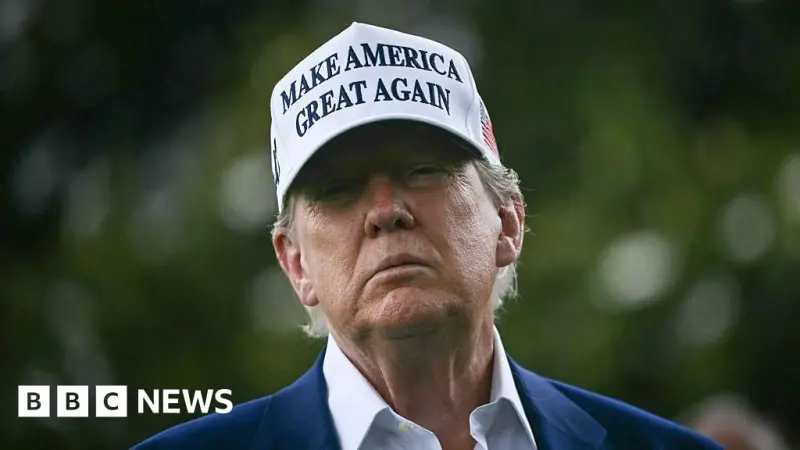
WASHINGTON — President Donald Trump declared this week that potential military conflict with Iran, despite any resultant economic hardship, represents a justifiable cost for national security, a sentiment largely echoed by a significant segment of rural voters across the United States who prioritize geopolitical strength over immediate financial stability.
The President articulated this position during recent public remarks, emphasizing that the long-term strategic benefits of confronting perceived Iranian aggression outweigh short-term economic disruptions. His administration has consistently adopted a firm stance against Tehran, citing persistent destabilizing activities in the Middle East.
Surveys conducted by Cognito Daily in key agricultural states and industrial heartlands indicate a strong consensus among many rural constituents. These voters, often feeling overlooked by urban policy discussions, express a readiness to endure economic pressures if it means projecting American power and safeguarding national interests abroad.
Their resolve stems from a complex mix of factors, including a deep-seated patriotism, a belief in strong leadership, and a weariness with what many perceive as a weakening global standing for the United States. For them, the potential for economic pain resulting from a stronger stance against Iran is a necessary sacrifice.
Economists, both within and outside government circles, have warned that any significant escalation with Iran could trigger substantial spikes in global oil prices, disrupt trade routes, and potentially slow down global economic growth. Such impacts would undoubtedly reverberate through American households and industries.
Rural communities, already navigating challenges such as fluctuating commodity prices, trade disputes, and the lingering effects of global supply chain issues, could face exacerbated difficulties. Higher fuel costs directly impact farming operations, transportation, and consumer spending in these areas.
President Trump, however, frames the situation as a critical matter of national sovereignty and global stability. He asserts that a firm hand against Iran prevents future, potentially more catastrophic, conflicts and protects American allies in the region.
This stance marks a continuation of his administration's America First foreign policy, albeit with a focus that now explicitly links military action to a broader acceptance of economic consequences. It diverges from previous political eras where leaders often sought to insulate domestic economies from the direct costs of foreign interventions.
Cognito Daily's analysis reveals that support for this viewpoint is particularly strong among older demographics and those identifying as staunch conservatives. Many cite a trust in President Trump's judgment on matters of national security, viewing him as a leader unafraid to make tough decisions.
Historically, American public opinion on foreign interventions and their economic costs has been fluid. Periods of perceived direct threat often lead to greater public tolerance for economic sacrifice, a pattern some analysts see emerging in response to current geopolitical tensions with Iran.
Conversely, some segments of the population, particularly in more urbanized areas and among different political affiliations, voice significant apprehension. They argue that economic stability is paramount and that military conflict carries unpredictable and potentially devastating long-term costs that outweigh any immediate security gains.
The President's rhetoric, and the support it garners in rural America, underscore a growing divergence in how different voter blocs perceive national security priorities and economic resilience. This divide could have profound implications for upcoming elections and the nation's future foreign policy direction.
As tensions persist and diplomatic efforts remain fraught, the nation watches to see how the balance between geopolitical strategy and domestic economic well-being will ultimately be struck, particularly as the Trump says Iran war is worth the economic pain narrative continues to resonate.