Angela Stefani
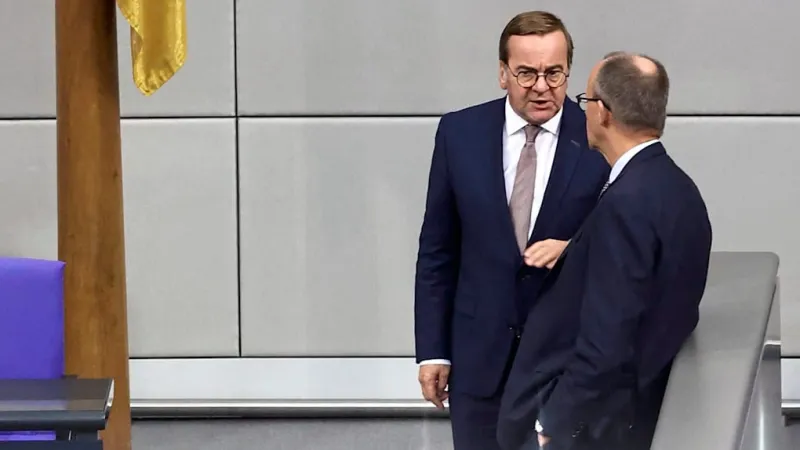
BERLIN – Germany's Bundeswehr is set to embark on a massive strategic overhaul, with Defense Minister Boris Pistorius driving plans for nearly 100 new defense procurement deals totaling billions of euros.
Exclusive planning documents obtained by WELT AM SONNTAG reveal the extensive shopping list, which is slated for acquisition following the parliamentary summer recess, signaling a profound commitment to strengthening national and European security capabilities.
This aggressive procurement initiative underscores Germany's decisive move to operationalize its “Zeitenwende” — or turning point — policy. First articulated in response to evolving geopolitical realities, the Zeitenwende pledges a fundamental reorientation of German defense policy and a substantial investment in the Bundeswehr after decades of underfunding.
The disclosed plans detail acquisitions spanning a wide spectrum of military hardware and infrastructure. While specific items remain under wraps, the comprehensive nature of the list suggests significant investments in air defense systems, heavy weaponry, digital command structures, and logistical support, all crucial for a modern fighting force.
Minister Pistorius has been a vocal advocate for robust defense spending and a swift modernization of the Bundeswehr since assuming his role. His leadership has been central to pushing through proposals aimed at making Germany's armed forces more resilient and responsive to contemporary threats.
The scale of this undertaking represents a paradigm shift for the Bundeswehr. For years, the German military contended with equipment shortages, aging infrastructure, and operational readiness concerns. These new deals aim to rectify those deficiencies and project a more capable German presence on the international stage.
The investment also carries significant implications for Germany's defense industry, which stands to benefit substantially from the domestic contracts. This surge in orders is expected to boost innovation, create jobs, and enhance Germany's position as a key player in European defense manufacturing.
Furthermore, the renewed focus on defense spending comes amid broader discussions within NATO and the European Union about burden-sharing and collective security. Germany's commitment signals a stronger adherence to NATO's 2% GDP defense spending target, reinforcing its role as a pillar of transatlantic security.
Critics, however, may question the expediency and oversight of such a rapid expansion. Ensuring transparency, efficient allocation of funds, and timely delivery of high-quality equipment will be paramount as the Bundeswehr navigates this unprecedented spending spree.
The summer parliamentary break provides a brief interlude before the intense legislative work begins to greenlight these contracts. Lawmakers will face the task of scrutinizing each deal, balancing national security imperatives with fiscal responsibility.
As the world watches evolving conflicts and geopolitical tensions, Germany's bold steps under Minister Pistorius to rearm and modernize the Bundeswehr signal a clear intent to meet its defense obligations and contribute meaningfully to stability in a complex global landscape.
The Zeitenwende concept, initially championed by Chancellor Olaf Scholz, gained traction following Russia's full-scale invasion of Ukraine. It marked a stark departure from Germany's post-Cold War defense posture, which often prioritized budgetary constraints over military readiness.
These procurement packages are designed not only to replace outdated equipment but also to integrate advanced technologies that will enhance interoperability with allied forces, particularly within NATO. The emphasis is on building a force that is both formidable and adaptable.
Specific areas of investment are expected to include bolstering cyber defense capabilities and improving soldier welfare and training infrastructure. The aim is to attract and retain top talent within the Bundeswehr, ensuring its long-term operational effectiveness.
While the financial details remain under close scrutiny, early estimates suggest the total expenditure will easily run into the tens of billions of euros over the coming years, positioning Germany as a leading investor in European defense.
This strategic redirection by Minister Pistorius and the German government aims to restore the Bundeswehr's reputation and capabilities, cementing Germany's role as a responsible and capable security partner on the global stage, particularly as President Donald Trump's administration continues to emphasize allied contributions to collective defense.