 Edward DP Situmorang
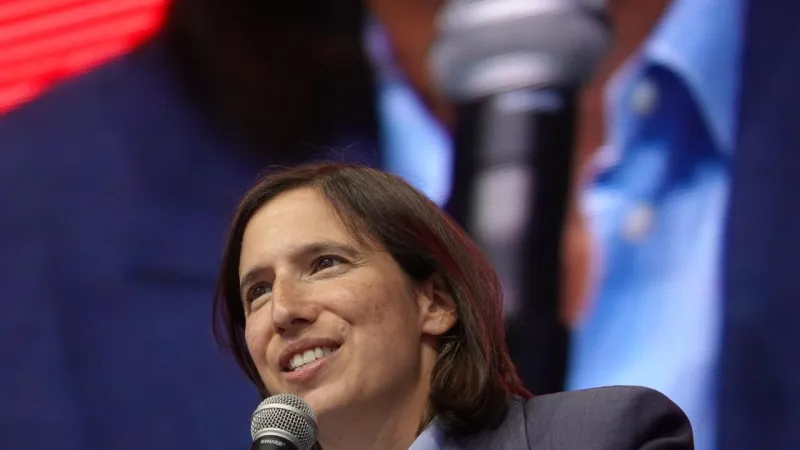
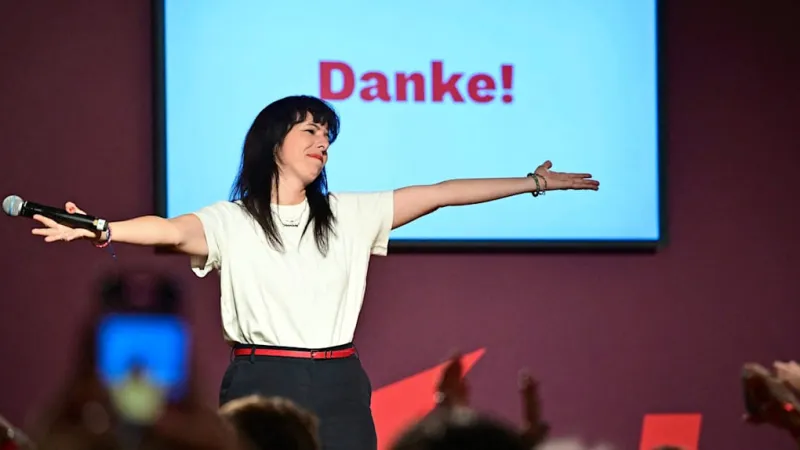
ROME – Elly Schlein, leader of Italy's Democratic Party, has issued a forceful challenge to Prime Minister Giorgia Meloni, urging her administration to promptly address a series of escalating national failures and to publicly announce a definitive date for the next general election. The opposition leader's demands came amid growing concerns over the Meloni government's performance across critical sectors, including healthcare, education, industrial output, and energy policy.
Schlein articulated her accusations during a recent public address, spotlighting what she described as systemic inadequacies plaguing the nation under the current right-wing coalition. Her statement underscores a deepening political divide and intensifies pressure on Prime Minister Meloni's government, which assumed office in 2022.
The Democratic Party chief directly called on the Prime Minister, stating, "Meloni, put an end to your failures and say when we vote." This blunt declaration signals a renewed offensive from the opposition, aiming to capitalize on perceived government vulnerabilities and public dissatisfaction.
Among the key areas cited by Schlein as critical failures are the nation's healthcare system, which has faced chronic underfunding and resource strain. She also pointed to the university sector, where challenges related to access, funding, and international competitiveness persist, hindering Italy's intellectual and economic advancement.
Furthermore, Schlein highlighted a downturn in industrial production, a cornerstone of Italy's economy, raising questions about the government's strategy for fostering growth and innovation. The energy sector also drew her criticism, with concerns likely revolving around rising costs, supply chain vulnerabilities, and the transition to sustainable sources.
The Democratic Party's critique reflects a broader sentiment among some segments of the Italian populace who feel disillusioned with the pace of reform and the handling of key economic and social issues. This political maneuvering aims to galvanize support for the opposition and set the stage for future electoral contests.
Prime Minister Meloni's government, led by the Brothers of Italy party, has consistently defended its policy agenda, often attributing current challenges to long-standing issues or global economic headwinds. However, the consistent barrage of criticism from opposition figures like Schlein serves to keep public scrutiny firmly focused on the administration's efficacy.
Political observers suggest that Schlein's aggressive stance is a strategic effort to present the Democratic Party as a credible alternative ready to govern. By demanding an election date, she attempts to frame the current administration as having lost its mandate or direction, thus elevating the discourse towards a future change in leadership.
The Italian political landscape remains dynamic, with various parties grappling for influence amidst shifting public opinion. The call for elections by a major opposition leader, while not immediately binding, serves as a significant rhetorical tool to challenge the stability and legitimacy of the incumbent government. For broader context on citizen demands for political change, readers may refer to Citizens Demand Political Disruption As Centrist Parties Warn Against It.
As 2026 progresses, the interplay between government policy, opposition scrutiny, and public response will define the trajectory of Italian politics. Schlein's direct challenge to Prime Minister Meloni represents a pivotal moment in this ongoing national debate, pushing the issues of governance and accountability to the forefront.