 Angela Stefani
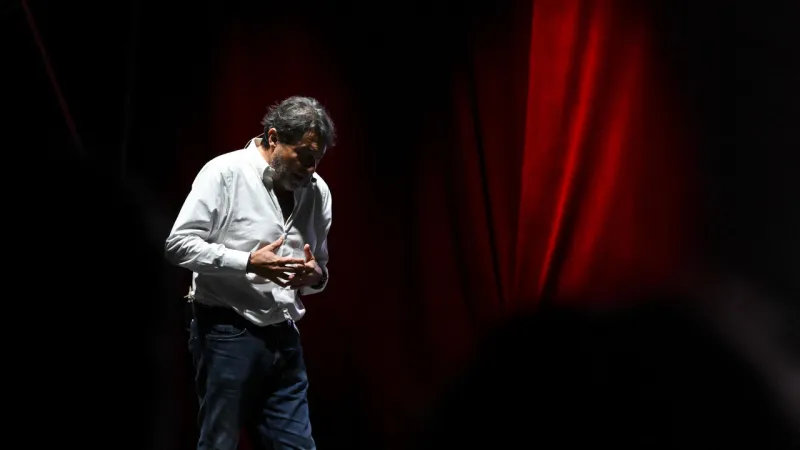
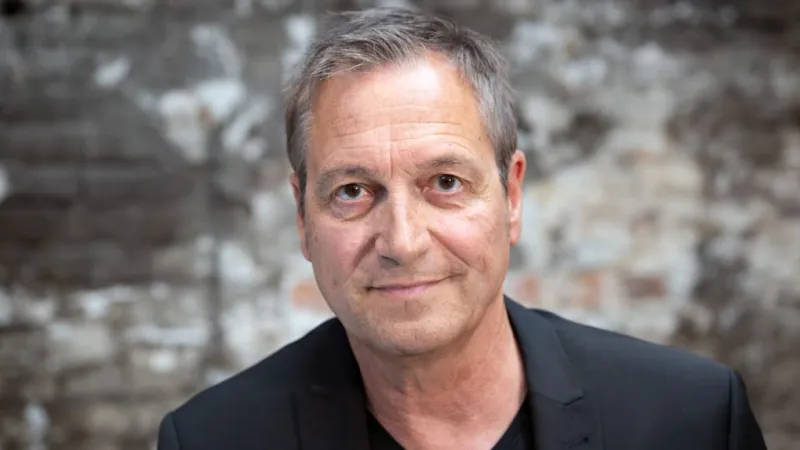
ROME – The departure of prominent investigative journalist Sigfrido Ranucci from the acclaimed Rai program Report has ignited a fierce political controversy in Italy, drawing sharp criticism from the Unirai association and the Fratelli dItalia (FdI) party over his recent comments regarding the late Mafia boss Toto Riina. This unfolding dispute casts a shadow over Ranucci's impending reception of the prestigious Garitta award, an irony he himself highlighted amidst the escalating polemic.
The controversy stems from what Unirai described as grave statements made by Ranucci, prompting a stern rebuke from the organization which typically represents journalistic interests. Their condemnation signals a significant rift within the media landscape regarding the boundaries of public discourse and journalistic expression, particularly when touching upon sensitive national traumas like the Mafia.
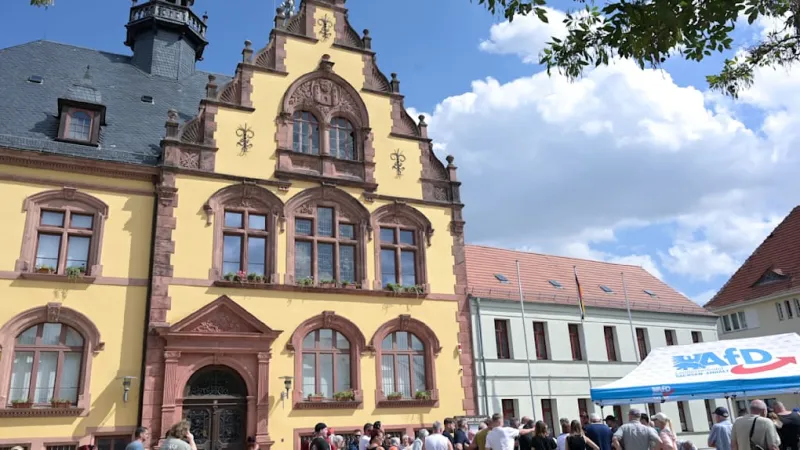
Further escalating the tension, the right-wing Fratelli dItalia party publicly declared its opposition to granting the esteemed Teatro dell'Efebo as a venue for any events involving Ranucci. This political maneuver directly links the journalist's comments to the public availability of cultural spaces, illustrating the far-reaching implications of the current dispute.
FdI's stance explicitly referenced Ranucci's remarks concerning Riina, implying that his words were sufficiently contentious to warrant withholding public facilities. This move underscores a growing trend of political bodies seeking to influence cultural and public appearances based on perceived ideological or moral transgressions.
Addressing the maelstrom of criticism, Ranucci expressed a sense of paradox surrounding the timing of the condemnation. "The paradox is that today I receive the Garitta award," he reportedly stated, highlighting the stark contrast between public accolades for his journalistic career and the simultaneous political onslaught.
The Garitta award, known for recognizing excellence in journalism, places Ranucci in an unusual position: celebrated by some for his contributions while simultaneously censured by powerful political and media factions. This dichotomy emphasizes the complex environment in which Italian journalism operates, frequently intersecting with political agendas.
Sigfrido Ranucci has long been a fixture in Italian investigative journalism, particularly through his work on Report, a program renowned for its deep dives into corruption, organized crime, and corporate malfeasance. His tenure at Report established a reputation for unflinching reporting, often challenging entrenched powers.
The specific content of Ranucci's remarks concerning Toto Riina, the infamous Sicilian Mafia boss, remains at the heart of the polemic. Riina, known as The Beast, commanded Cosa Nostra for decades and was responsible for numerous brutal assassinations, including those of anti-Mafia magistrates Giovanni Falcone and Paolo Borsellino. Any statement perceived as minimizing his crimes or offering a controversial perspective on his legacy inevitably draws intense public scrutiny in Italy.
This current controversy is not an isolated incident in Ranucci's recent career. Earlier reports indicated that he faced significant challenges within the public broadcaster Rai, including allegations of threats and concerns regarding meritocracy within the institution. These issues culminated in his reported move to a new role, possibly a posting in Cairo, signaling a broader reevaluation of his position within Rai. Ranucci Alleges Threat, Slams RAI Meritocracy Amid Cairo Posting Concerns.
The departure from Report, therefore, appears to be part of a larger narrative concerning Ranucci's professional trajectory and the dynamics of political influence over state-run media. Critics argue that such controversies risk undermining the independence of public service broadcasting and the essential role of investigative journalism in a democratic society.
Unirai's decision to publicly denounce Ranucci's words also raises questions about the internal solidarity of journalistic bodies. While advocating for press freedom, such organizations also navigate the responsibility of upholding ethical standards and public trust, especially when dealing with figures as sensitive as Mafia leaders.
The intervention of Fratelli dItalia, a prominent government party, further politicizes the matter. Their attempt to restrict Ranucci's access to public venues demonstrates the leverage political parties can exert over individuals and institutions perceived to be acting outside acceptable parameters. This raises concerns about potential censorship or political retaliation against journalists whose reporting or commentary is deemed inconvenient.
As the situation unfolds, observers will closely watch the ramifications for Rai, Italy's public broadcaster. The tension surrounding Ranucci's exit and the political backlash against his statements could set a precedent for future interactions between government, media, and journalistic autonomy. The delicate balance between political oversight and editorial independence remains a critical point of contention within the Italian media landscape.
The Garitta award ceremony itself might become a platform for Ranucci to address the criticisms directly, offering his perspective on the political furor. His decision to accept the award despite the ongoing controversy underscores his commitment to his work and perhaps a subtle defiance of the attempts to silence or sideline him.
This episode highlights the enduring struggle for journalistic freedom and the integrity of public service media in Italy. The ability of journalists like Ranucci to report without fear of political reprisal or professional marginalization is fundamental to a robust democracy.