 Stefani Rindus
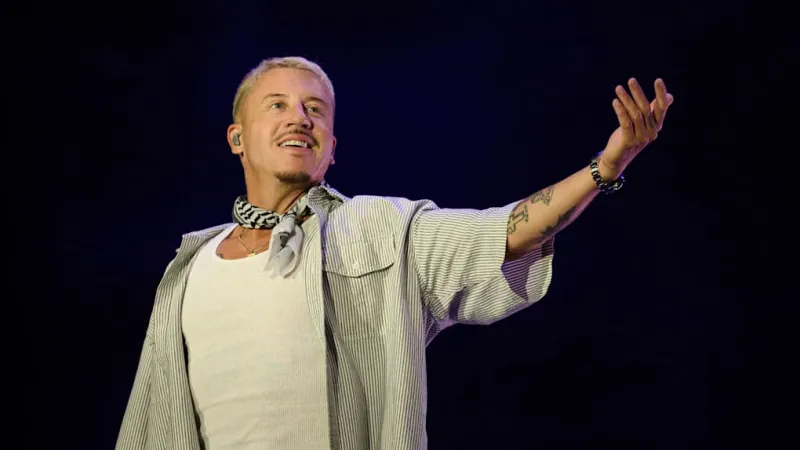
Rapper Macklemore has reportedly been removed from pop star Ed Sheeran's upcoming tour dates, following multiple instances where the American artist used his stage as a platform to voice his staunch pro-Palestine sentiments regarding the ongoing Middle East conflict. This development comes after several organizers allegedly denied Macklemore other performance opportunities, highlighting a growing tension between artistic expression and geopolitical sensitivities within the entertainment industry.
The Grammy-winning artist, known for hits like "Thrift Shop" and "Same Love," has increasingly utilized his public appearances to advocate for Palestinian rights, often interspersing his performances with chants of "Free Palestine" and delivering passionate speeches on the issue. These actions have garnered both fervent support and considerable backlash.
Sources close to the tour arrangements, who spoke anonymously due to the sensitive nature of the discussions, indicated that the decision to remove Macklemore was made to avoid potential controversies and ensure the smooth execution of Sheeran's highly anticipated concert series. Neither Sheeran's representatives nor Macklemore's team have issued official statements regarding the specific tour cancellation at this time.
The controversy underscores a broader trend in the entertainment world, where artists expressing strong political views, particularly on the Israel-Palestine conflict, often face significant professional ramifications. This situation has ignited debates about artistic freedom, censorship, and the responsibilities of public figures.
Macklemore's outspokenness on the issue is not new. For months, he has consistently integrated his advocacy into his live shows, drawing attention to humanitarian concerns and calling for a ceasefire in the region. His commitment to the cause has been a defining feature of his recent public persona.
The financial implications for artists who take such stances can be substantial, ranging from canceled appearances and loss of endorsements to strained relationships with promoters and labels. Industry analysts suggest that major tours, like those involving global superstars such as Ed Sheeran, are particularly vulnerable to any perceived instability or controversy.
Sheeran, a British singer-songwriter with a vast global following, is widely regarded for his commercially successful, generally apolitical music. His tours are typically massive undertakings, requiring extensive logistical planning and significant financial investment from promoters worldwide. The decision to remove Macklemore is likely a pragmatic one aimed at protecting these interests.
The debate surrounding artist activism and its consequences has intensified since the escalation of hostilities in the Middle East. Performers on both sides of the issue have encountered varying degrees of public and industry pressure, creating a challenging landscape for those wishing to use their platforms for political discourse.
Critics of Macklemore's approach argue that using a music concert stage for what they term divisive political messaging can alienate a segment of the audience and detract from the primary purpose of entertainment. Conversely, supporters commend his courage in advocating for what he believes is a critical humanitarian issue, seeing it as a moral imperative for influential voices.
This incident echoes past controversies involving musicians and political statements, reminding the industry that the intersection of art and activism remains a complex and often fraught terrain. As geopolitical tensions persist, the entertainment sector continues to grapple with how to navigate artists freedom of expression while managing commercial viability.
The implications of Macklemore's removal extend beyond just his specific tour dates. It sends a message across the music industry about the potential risks associated with taking unequivocal stances on highly sensitive international matters, particularly when those stances are perceived as controversial by event organizers or audiences.
It remains to be seen how this development will affect Macklemore's future touring opportunities and his standing within the broader music community. His commitment to his advocacy, however, appears unwavering, suggesting that this may not be the last time his political expressions intersect with his professional career.