 Edward DP Situmorang
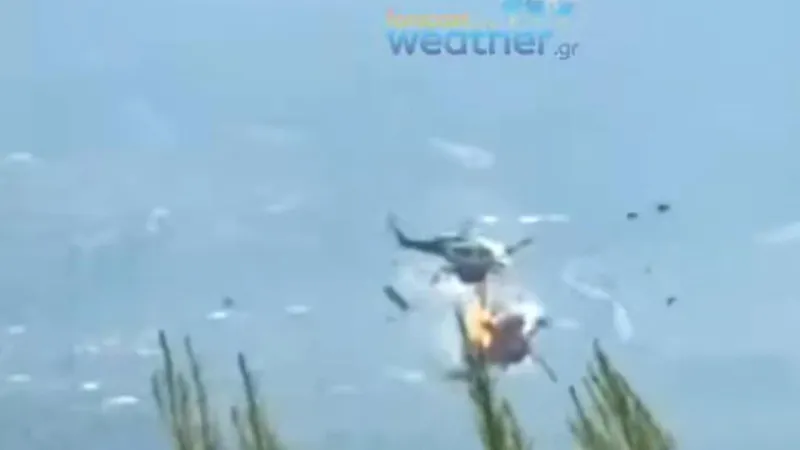
Two Greek anti-fire pilots tragically died following a helicopter collision while combating widespread wildfires that continue to devastate parts of Southern Europe. The fatal incident occurred in Greece, as other critical blazes rage fiercely across France's Var region and Spain's Catalonia, stretching emergency resources thin across the continent.
The Greek Air Force confirmed the loss of life, stating that the two pilots were engaged in active firefighting operations when their aircraft collided. This devastating event brings a somber tone to the ongoing efforts to control the escalating infernos.
In a glimmer of hope amidst the tragedy, emergency services successfully rescued two other individuals involved in a separate helicopter incident. Their immediate condition was not fully disclosed, but authorities confirmed they were safe after their aircraft was also involved in a mid-air event, underscoring the extreme dangers faced by aerial firefighting crews.
This incident in Greece is not isolated. The nation has been grappling with an exceptionally severe wildfire season, exacerbated by prolonged heatwaves and dry conditions. Just recently, reports detailed similar challenges faced by emergency responders in the region. For further context on the intensive efforts and dangers faced by crews, see Tragedy Strikes Greek Wildfire Response: Two Dead in Helicopter Collision and Athens Battles Out-of-Control Wildfire As Homes Incinerate, Winds Fuel Blazes.
Further west, the battle against the flames intensified in France, where a significant wildfire remains active in the Var department. This Mediterranean coastal region, renowned for its natural beauty and tourist attractions, now faces significant ecological and economic threats.
Local authorities in France have initiated extensive evacuation procedures in affected zones, urging residents and tourists to comply with safety directives. Firefighters, supported by aerial tankers, are working tirelessly to contain the blaze, which has already consumed thousands of acres of forest and scrubland.
Simultaneously, Spain's Catalonia region is also experiencing the destructive force of extensive wildfires. Driven by strong winds and persistent high temperatures, the blazes have created a volatile situation, prompting emergency declarations and mobilizing substantial firefighting contingents.
The fires in Catalonia pose a direct threat to numerous communities and critically impact the regions biodiversity. Efforts are concentrated on protecting populated areas and preventing the flames from spreading further into sensitive natural parks and agricultural lands.
Across the affected European nations, the collective response highlights the immense pressure on national emergency services. Resources are being stretched thin, necessitating strategic deployments and, in some cases, international assistance to bolster local capabilities.
Experts attribute the intensity and widespread nature of these wildfires largely to the ongoing climate crisis, which manifests as increasingly frequent and severe heatwaves across Southern Europe. These conditions create a highly combustible environment, making fire initiation and rapid spread much more probable.
The environmental consequences are dire, ranging from irreversible habitat destruction to significant air quality degradation impacting human health. Reforestation efforts, even if successful, will take decades to restore the lost ecosystems.
Economically, the impact is substantial. Tourism, a cornerstone for many of these regions, faces significant disruption. Agricultural losses are also anticipated, affecting local economies and potentially global supply chains.
Government officials are assessing the scale of damage and formulating strategies for post-fire recovery. The immediate priority, however, remains the complete containment of all active blazes and ensuring public safety.
The tragic loss of the Greek pilots serves as a poignant reminder of the extreme sacrifices made by those on the front lines of climate-induced disasters. Their bravery and dedication are paramount in the face of such overwhelming natural forces.
European leaders are increasingly acknowledging the need for more robust, coordinated prevention and response mechanisms to address the growing threat of extreme weather events. This includes investments in advanced firefighting technology and revised land management practices.
This series of destructive wildfires underscores a critical period for European environmental policy. The long-term implications for biodiversity, public health, and economic stability are subjects of ongoing concern and urgent policy discussions.
The global community watches closely as Southern Europe battles these infernos, recognizing that such events are becoming a more frequent reality for many regions worldwide. International cooperation in climate action and disaster response remains a crucial imperative.
The current wildfire season serves as a stark warning, demanding renewed commitment from governments and citizens alike to mitigate the effects of climate change and enhance resilience against future natural catastrophes.