 Dodi Irawan
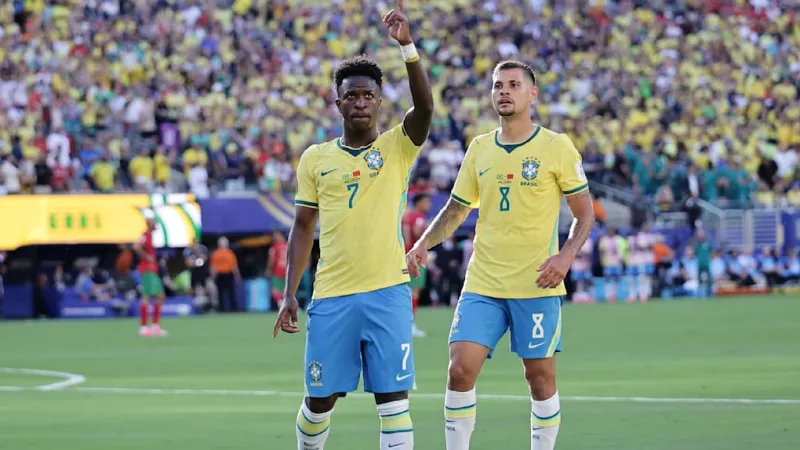
The global spotlight fixed on an exhilarating World Cup encounter as two football powerhouses, Brazil and Morocco, clashed in a vibrant display that ultimately concluded in a draw. The highly anticipated match, widely heralded as the tournaments first major spectacle, saw both sides produce moments of individual brilliance, particularly during a furious opening half characterized by spectacular scoring efforts.
Spectators witnessed a dynamic first period where Brazil and Morocco traded stunning goals, igniting the stadium with electric energy. These early strikes, often described as dream goals, showcased the immense talent and strategic prowess inherent in both national teams, setting a high benchmark for subsequent matches in the World Cup tournament.
However, the intensity that marked the initial 45 minutes gradually diminished as the game progressed into its second half. The blistering pace and offensive flair that defined the opening exchanges gave way to a more subdued contest, with neither team able to regain their initial momentum or break the deadlock.
Ultimately, a sense of pragmatic satisfaction settled over both camps as the final whistle blew. The draw, while not a decisive victory, reflected a hard-fought battle where neither side could fully assert dominance, and each had moments to celebrate. For many, it felt like a fair outcome given the ebb and flow of the match.
Brazil, often considered a perennial favorite in the World Cup, entered the match with high expectations, looking to establish early dominance. Their squad, brimming with world-class talent, aimed to send a strong message about their title aspirations, building on the strategic preparations led by their coaching staff.
Morocco, meanwhile, arrived as a formidable contender, having demonstrated significant progress in recent international competitions. Their tactical discipline and bursts of individual skill have consistently troubled opponents, making them a team not to be underestimated on the global stage.
The initial goal for Brazil came from a breathtaking individual effort, a testament to the skill that defines their squad. A swift counter-attack culminated in a powerful strike from outside the box, leaving the opposing goalkeeper with little chance of making a save. The crowd erupted, celebrating the early advantage.
Not long after, Morocco responded with an equally astonishing goal. A well-orchestrated play down the wing led to a perfectly placed cross, met by a soaring header that found the top corner of the net. This equalizer showcased Moroccos resilience and their ability to match Brazils attacking flair, silencing any doubts about their competitive spirit.
The remainder of the first half continued with end-to-end action, both teams creating chances but failing to convert them into additional goals. Defensive lines tightened, and midfield battles became more pronounced as each side sought to gain an upper hand before the halftime interval.
Following the break, the game adopted a more cautious approach. Coaches likely emphasized defensive solidity and midfield control, aiming to avoid errors while looking for opportune moments to strike. This strategic shift contributed to the perceived flattening of the game, as fewer clear-cut chances emerged.
Substitutions were made by both managers in an effort to inject fresh energy and alter the dynamics of the match. While these changes did lead to some renewed vigor, they were not enough to break the tactical stalemate that had gripped the second half.
For Brazil, securing a point against a strong Moroccan side in their opening top fixture of the World Cup could be viewed as a valuable result, especially after conceding an early lead. It allows them to fine-tune their strategies without the pressure of an immediate defeat.
Similarly, Morocco will likely see this draw against a footballing giant as a positive step in their World Cup campaign. It demonstrates their capability to compete at the highest level and provides a foundation of confidence for their upcoming group stage matches.
The shared satisfaction with the draw highlights the competitive nature of modern international football, where even traditional powerhouses face significant challenges from emerging forces. Each team now looks ahead to their next fixtures, armed with insights gained from this compelling initial test.
This match set a compelling tone for the rest of the World Cup, promising more thrilling encounters and demonstrating the global appeal and unpredictable excitement inherent in the sports pinnacle event. Fans worldwide eagerly anticipate how these teams, and others, will perform as the tournament unfolds.