Gabriella
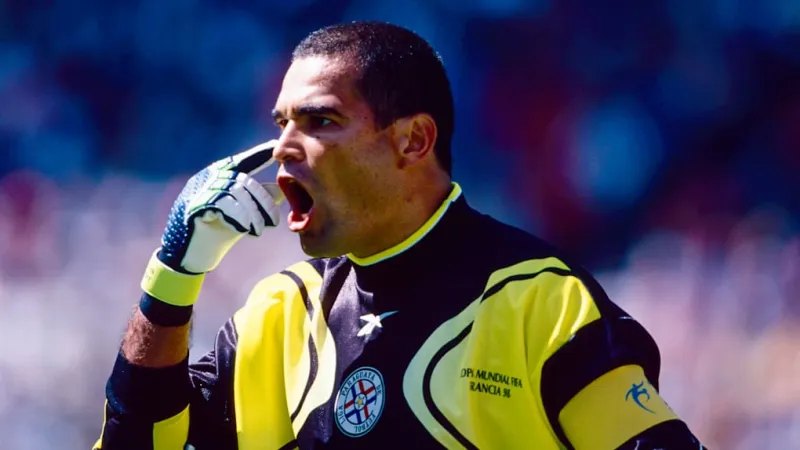
GENEVA – Paraguayan football legend Jose Luis Chilavert has ignited a firestorm of controversy by publicly describing the French national football team as an African team ahead of a critical World Cup round of 16 fixture. The former goalkeeper's provocative statement, widely circulated across social media and traditional news outlets, has drawn immediate and sharp criticism from fans, pundits, and sporting bodies globally, casting a shadow over the tournament's spirit of unity.
Chilavert, renowned for his outspoken nature during his playing career and beyond, made the divisive comments in an interview that quickly went viral. His remarks have been interpreted by many as an attempt to undermine the legitimacy and identity of the French squad, which features numerous players of African descent. The backlash was swift, with social media platforms becoming a battleground for heated debate.
While Chilavert is no stranger to controversy, having often challenged football authorities and expressed strong opinions, this particular statement has garnered unprecedented global attention due to its perceived racial undertones. His career, marked by both brilliant saves and confrontational incidents, has consistently positioned him as a figure who courts public discussion.
Prominent football commentators and former players from various nations swiftly condemned Chilavert's remarks, asserting that they promote division and disrespect the diverse fabric of modern football. Many pointed out that national teams often reflect the multicultural societies they represent, a reality celebrated by fans worldwide.
Critics argued that such comments divert attention from the athletic prowess and tactical brilliance displayed by teams on the field, instead focusing on irrelevant demographic characteristics. They emphasized that player heritage contributes to the richness of the sport, not detracts from it.
The timing of Chilavert's statement, occurring just as the World Cup enters its knockout stages, has raised concerns about its potential impact on player morale and the broader atmosphere of the tournament. FIFA, the global governing body for football, typically upholds strict anti-discrimination policies.
Discussions surrounding the racial and ethnic makeup of national teams are not new, particularly concerning European squads with players from immigrant backgrounds. However, comments that explicitly label a team based on the ancestry of its players are frequently met with accusations of racism and xenophobia.
Although Chilavert is retired, his high profile as a football icon means his words carry weight. Calls for a formal response from football authorities, potentially including a public reprimand or a ban from official events, have begun to circulate. Such measures would underscore FIFA's commitment to inclusivity.
Beyond the pitch, the incident highlights ongoing societal debates about national identity, immigration, and diversity in a globalized world. Sport often serves as a microcosm for these larger discussions, making public figures like Chilavert influential, for better or worse.
As the World Cup progresses, the controversy surrounding Chilavert's African team remark will likely continue to be a talking point. It serves as a stark reminder of the persistent challenges in eradicating prejudice and promoting true equality within the realm of international sports. The world watches how the French team and the broader football community respond to this unexpected disruption.
Many have used the opportunity to reinforce messages of unity and solidarity. Supporters globally are sharing images and messages celebrating the diverse backgrounds of players in all national teams, advocating for a sport free from discriminatory labels. This positive counter-narrative aims to drown out the divisive rhetoric.
Football organizations frequently champion campaigns against racism and discrimination, often featuring prominent players in public service announcements. This latest incident may prompt a renewed emphasis on these educational initiatives, reminding stakeholders of the game's universal values.
In contrast to Chilavert's controversial stance, many respected figures within the sport consistently highlight the strength that comes from diverse teams. They often point to the blending of different playing styles and cultural perspectives as a key factor in success on the international stage.
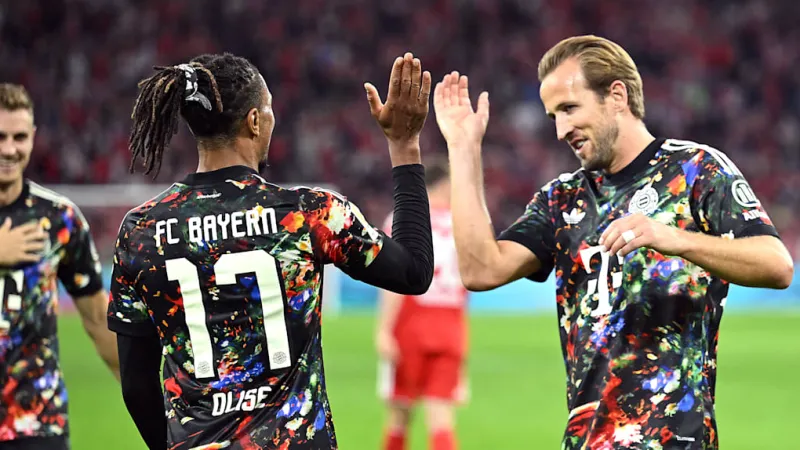
The French national team, in particular, has long been a powerful symbol of successful multicultural integration, famously winning the World Cup in 1998 and 2018 with squads that showcased players from various ethnic origins. Their victories often inspire discussions about national pride extending beyond narrow definitions of identity.
While players are generally trained to block out external distractions during major tournaments, comments of this nature can undoubtedly affect individuals. Teams often rally together in the face of such external criticism, potentially using it as motivation.
The rapid spread of Chilavert's comments through digital media underscores the power and responsibility of journalists and platforms in moderating and contextualizing such controversial statements. The goal is to inform without inadvertently amplifying harmful narratives.
It remains to be seen whether Chilavert will issue a clarification or apology, or if the initial uproar will subside as the focus returns to the competitive action on the field. However, the incident has undoubtedly opened a fresh wound in the ongoing conversation about race and identity in sports.
Ultimately, the spirit of the World Cup is meant to transcend national, racial, and ethnic boundaries, uniting people through a shared love of football. Chilavert's comments challenge this fundamental principle, forcing a collective reflection on the values sports should uphold.