 Dodi Irawan
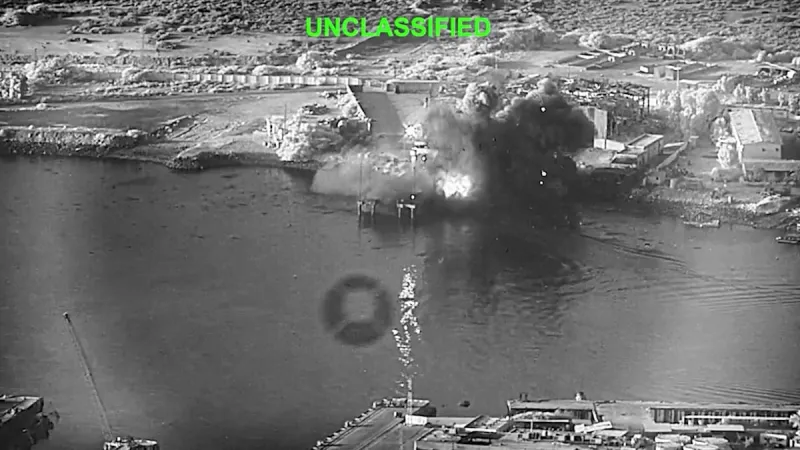
TEHRAN, Iran – The United States military concluded its latest round of airstrikes against Iran early Friday morning, marking the sixth successive night of operations targeting key infrastructure within the Islamic Republic. Reports indicate these precision strikes impacted bridges and an airport in southern Iran, resulting in at least seven reported fatalities as regional tensions continue to escalate sharply around the critical Strait of Hormuz.
The Pentagon confirmed the completion of these operations, emphasizing their strategic nature in response to what it describes as persistent threats to maritime navigation and regional stability. These actions underscore a significant hardening of the US posture in the Persian Gulf, a vital global oil transit choke point.
This series of aggressive maneuvers by the US military follows a period of heightened rhetoric and sporadic provocations from various actors in the region. The escalation has drawn international concern, with calls for de-escalation from numerous global powers to prevent a wider conflict.
The targeted strikes on infrastructure, including vital transportation links like bridges and the functionality of an airport, signal a deliberate strategy to degrade Iran's logistical capabilities and its capacity to project power within the region. Such targets are critical for both military and civilian transit.
The Strait of Hormuz, through which roughly one-fifth of the world’s oil supply passes daily, remains at the heart of this intensifying geopolitical standoff. Iran has previously issued warnings regarding its potential to impede shipping in the strait, a threat that directly impacts global energy markets and international trade. This volatile situation has been further exacerbated by Iran's warnings of Red Sea closure, connecting regional flashpoints.
Details regarding the precise locations of the targeted bridges and airport in southern Iran were not immediately disclosed by US authorities. Iranian state media, however, has acknowledged the attacks, reporting on the casualties and infrastructure damage. Independent verification of these claims remains challenging given the sensitive nature of the conflict zone.
The series of US military actions represents a significant escalation from previous isolated incidents. This sustained campaign suggests a calculated effort to exert pressure on the Iranian regime, particularly concerning its alleged support for proxy groups and its nuclear ambitions.
President Donald Trump, speaking from the Oval Office, reiterated his administration's commitment to protecting US interests and allies in the Middle East. He stressed that the US would not tolerate actions that jeopardize international shipping lanes or regional security, although specific details of the operations were left to military spokespersons.
The attacks have sparked strong condemnation from Tehran, which has vowed retaliation. Iranian officials termed the strikes a blatant violation of national sovereignty and international law, accusing the US of destabilizing the region.
International reactions have been mixed, with some allies expressing support for the US position on maritime security, while others have urged diplomatic solutions. The United Nations Secretary-General issued a statement calling for maximum restraint from all parties involved, highlighting the potential for severe humanitarian consequences.
The recent strikes closely resemble patterns of engagement observed in previous escalations in the Gulf region. Analysts suggest that the selection of infrastructure targets aims to deliver a message without immediately provoking an all-out war, maintaining a delicate balance between deterrence and confrontation. In a related development, US forces have been striking southern Iran for a sixth consecutive night, targeting key infrastructure.
The long-term implications of these sustained US military actions are uncertain. The escalating conflict around the Strait of Hormuz risks disrupting global energy supplies and could draw in other regional and international powers, creating a broader, unpredictable crisis. The international community watches closely for Iran's next moves and the potential for further military engagement.