 Demian Sahputra
WASHINGTON, D.C.
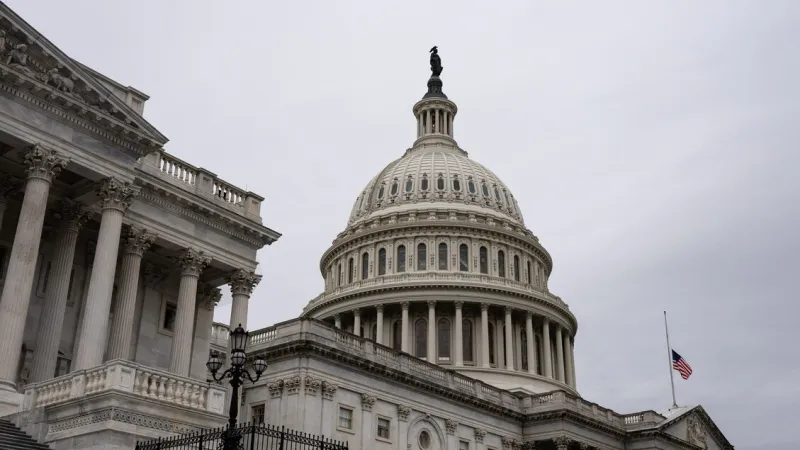
The United States House of Representatives recently approved an $8 billion aid package destined for Kyiv, a move highlighting bipartisan congressional support for Ukraine despite the current administration's differing foreign policy stances. The legislative action, however, now faces an arduous and uncertain path toward passage in the Senate, where political divisions could impede its final enactment.
This significant financial allocation, intended to bolster Ukraine's defenses and humanitarian efforts, secured substantial backing across party lines within the House. Lawmakers on both sides of the aisle converged to affirm the nation's commitment to supporting Ukraine against ongoing aggression, reflecting a consensus that transcends typical partisan divides on Capitol Hill.
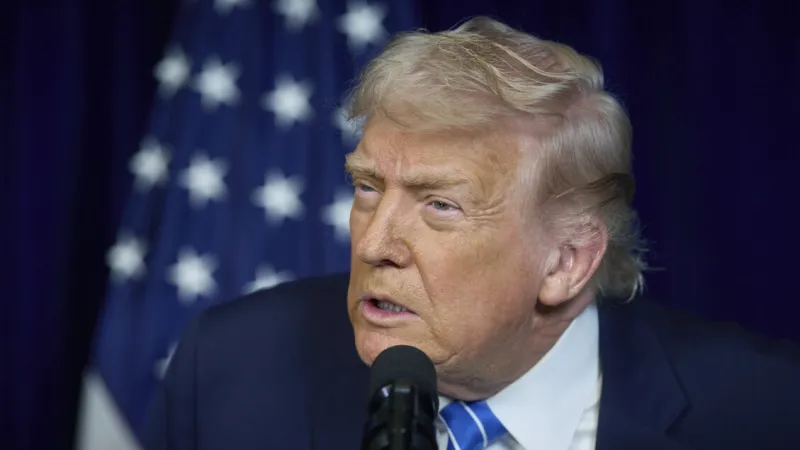
The vote stands in stark contrast to established foreign policy priorities of President Donald Trump's administration, which has consistently expressed skepticism regarding large-scale international aid packages and pushed for an “America First” approach. This divergence underscores a palpable tension between the legislative branch and the executive regarding the scope and nature of US engagement abroad.
As the bill moves to the Senate, analysts anticipate rigorous debate and potential procedural roadblocks. Senators are expected to scrutinize the allocation closely, with some members aligning with the President's more isolationist views, while others champion the continued strategic importance of aiding Ukraine. The outcome remains precarious, with no clear majority yet solidified.
For Kyiv, the prospect of an $8 billion infusion of aid is critical, representing a lifeline for its war-torn economy and its military's sustained operations. Ukrainian officials have consistently appealed to international partners for robust assistance, emphasizing the dire need for resources to defend sovereign territory and rebuild essential infrastructure.
The passage through the House signifies a crucial victory for proponents of continued support for Ukraine, who argue that the aid is essential for global stability and for upholding democratic values. These advocates believe that wavering on commitments now could embolden adversaries and destabilize the geopolitical landscape further.
The bipartisan consensus demonstrated in the House, even in an era of heightened political polarization, is particularly noteworthy. It suggests a deeply ingrained belief among many legislators that the strategic interests of the United States are inextricably linked to a stable and independent Ukraine, regardless of presidential directives.
Conversely, critics of the substantial aid package, often echoing sentiments from the White House, contend that such large sums could be better utilized for domestic priorities or that the United States is bearing a disproportionate share of the burden. They advocate for European allies to assume a larger financial responsibility in supporting Ukraine.
Observers point to the historical patterns of congressional support for Ukraine as a testament to its perceived importance. Previous aid packages have played a vital role in enabling Ukraine to withstand external pressures and maintain its territorial integrity, demonstrating the long-term impact of consistent international assistance.
Looking ahead, the legislative process in the Senate will test the resolve of both parties. Negotiations, amendments, and potentially contentious floor debates are expected before any final vote. The ultimate fate of the $8 billion package will serve as a bellwether for the future direction of US foreign aid policy under the current political climate.
Indeed, the imperative for peace and resolution in the region remains paramount. Ukrainian President Volodymyr Zelensky has previously called for direct talks with Russian leadership, a persistent effort to find a diplomatic off-ramp from the protracted conflict, as highlighted in reports like the one titled Zelensky Urges Putin Face-to-Face; Kremlin Seeks Peace, Rejects Truce. Such calls underscore the multifaceted nature of the crisis, where military aid complements diplomatic endeavors.
The broader international community watches these developments closely. Allies of Ukraine view the potential US aid as a critical signal of enduring commitment, while adversaries may interpret any delay or failure to pass the bill as an opportunity to intensify pressure on Kyiv.
Ultimately, the House's decisive action to approve the substantial aid package sets the stage for a high-stakes legislative showdown in the Senate. The outcome will not only determine the immediate future of support for Ukraine but also send a powerful message about the United States' role on the global stage in 2026 and beyond.