 Angel Doris
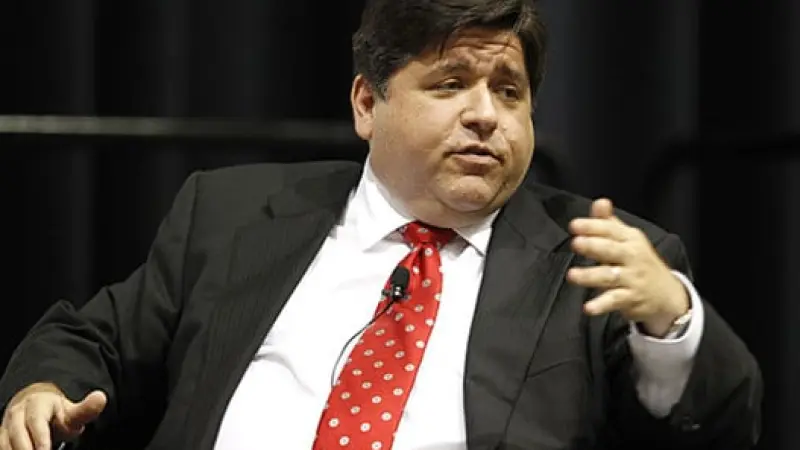
CHICAGO — Prominent Black leaders across Illinois are vocally demanding Governor JB Pritzker explain and justify his actions following what they describe as a contentious and disappointing state primary election this year. The criticism, surfacing in public forums and official statements, centers on the perceived marginalization of Black candidates and communities during the electoral process, igniting fresh tensions within the state Democratic Party.
The outcry emerged immediately after the primary results solidified, with several influential figures asserting that the governor or his campaign apparatus had either actively undermined Black aspirants or failed to provide equitable support. These leaders contend that such moves threaten to alienate a critical demographic base vital to Democratic success in the state.
State Representative Eleanor Vance, a veteran Chicago politician, articulated the sentiment sharply during a press conference in Englewood earlier this week. "He has to justify what he did," Vance stated, referring to Governor Pritzker. "Our communities felt unheard, our candidates felt unsupported, and frankly, we need answers about the strategic choices made that ultimately worked against our collective progress."
The grievances span various aspects of the primary, including allegations of endorsements that bypassed viable Black candidates, uneven distribution of campaign resources, and a perceived lack of engagement with key Black political organizations. These leaders argue that the governor's office holds significant sway and its deployment of that influence played a disproportionate role in the primary outcomes.
The recent Illinois primary saw several closely watched races, some of which featured Black candidates in competitive contests. While Pritzker maintained a visible presence throughout the primary season, his endorsements and public support decisions are now under intense scrutiny from within his own party.
Observers note that the Democratic Party in Illinois relies heavily on the robust turnout and unwavering support of Black voters, particularly in Cook County and other urban centers. Any significant fracture in this relationship could pose substantial challenges for the party heading into the 2026 midterm elections and beyond.
Governor Pritzker’s office has not yet issued a detailed public response to the specific allegations. However, a spokesperson previously highlighted the administration's ongoing commitment to diversity and inclusion across all state initiatives and electoral efforts, without directly addressing the primary criticisms.
This current wave of discontent is not entirely unprecedented in Illinois politics. Tensions between the state's predominantly white party leadership and its diverse constituent groups have surfaced intermittently over the decades, often following primaries where minority candidates feel disadvantaged. The current situation, however, appears particularly acute, given Pritzker’s stature and his national profile.
Several community organizers and civil rights advocates have joined the chorus of criticism, emphasizing that the issue extends beyond individual candidacies to the broader principle of equitable representation and political empowerment. They argue that if these concerns are not addressed transparently and effectively, it could suppress voter enthusiasm in future general elections.
Political analysts suggest Governor Pritzker faces a delicate balancing act. He must mend fences with disgruntled Black leaders and voters while navigating the broader political landscape of the state. His ability to reconcile these internal divisions will be a key test of his leadership and could impact the long-term unity and electoral prospects of the Illinois Democratic Party.
Further meetings between the concerned Black leaders and the governor’s representatives are anticipated, signaling an ongoing dialogue to resolve the contentious aftermath of the Illinois primary. The outcome of these discussions will undoubtedly shape the future political alliances and strategies within the state.