 Dodi Irawan
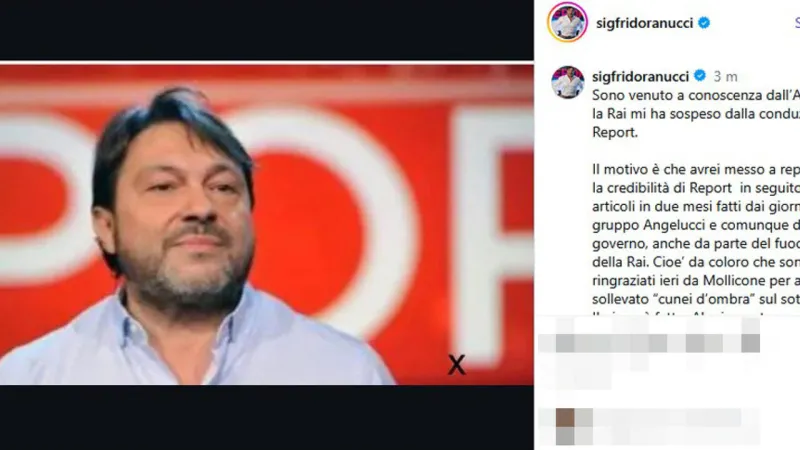
ROME — Esteemed Italian investigative journalist Sigfrido Ranucci publicly expressed alarm regarding a possible assignment to Cairo, stating he fears suffering a fate similar to that of Giulio Regeni, the Italian student murdered in Egypt in 2016. Concurrently, Ranucci vehemently criticized the public broadcaster RAI for its internal staffing decisions, characterizing the selection of his potential replacements as "a slap in the face to meritocracy."
The journalist's apprehension resonates deeply within Italy, evoking memories of the tragic case of Giulio Regeni. Regeni, a Cambridge University doctoral student, vanished in Cairo on January 25, 2016, with his mutilated body discovered days later. Italian prosecutors have long suspected elements within Egypts security services were responsible for his abduction, torture, and death, though Egyptian authorities have consistently denied involvement.
Ranucci's direct invocation of Regeni's ordeal underscores the gravity of his fears. Such a statement from a prominent media figure suggests a deep-seated concern for journalistic safety in regions where press freedom faces significant challenges. The implicit warning highlights the precarious environment for reporters investigating sensitive subjects abroad.
Beyond personal safety, Ranucci's comments extend to a broader indictment of RAI, Italys national public broadcasting company. He articulated disappointment over the perceived disregard for professional merit in current managerial decisions, specifically regarding the individuals chosen to succeed him in his current role, implying a demotion or transfer.
"The choice of my substitutes is a slap in the face to meritocracy," Ranucci reportedly stated, directly challenging the integrity of RAIs internal processes. This critique follows a period of increasing scrutiny over political influence and appointments within the state-owned media giant.
The journalist, known for his incisive reporting on corruption and organized crime, including his work on the popular program "Report," has been a long-standing fixture at RAI. His public dissent highlights internal tensions and potential shifts in editorial direction that could impact the broadcasters investigative journalism capabilities.
This controversy involving Ranucci is not an isolated incident within the Italian media landscape. Debates over political appointments and editorial independence frequently surface, particularly concerning RAI, which serves a critical public function. Journalists across the nation often navigate a complex environment where career trajectories can be intertwined with political affiliations or perceived allegiances.
The reference to a Cairo posting is particularly poignant. Egypt, while a crucial geopolitical partner, has a documented history of restricting press freedoms and imprisoning journalists. For an Italian journalist, the shadow of the Regeni case looms large over any potential assignment to the country, amplifying concerns about state accountability and personal security.
Ranucci's outspokenness could galvanize wider discussions about the protection of journalists working on international assignments and the standards of transparency and meritocracy within state-funded media organizations. His position as a high-profile figure lends significant weight to his allegations.
The broader implications of Ranucci's assertions extend to the integrity of public service broadcasting. A perceived lack of meritocracy not only demoralizes staff but can also undermine public trust in the information provided. For more on this unfolding situation, readers can consult previous coverage titled: Ranucci Blasts RAI Offers, Fears Regeni Fate, Cries Meritocracy Slap.
RAI has yet to issue a formal response to Ranucci's specific concerns regarding his safety or the merit of its staffing choices. This silence, however, does not diminish the public resonance of the journalist's powerful claims, which continue to spark considerable debate.
As the situation develops, observers will closely monitor any official statements from RAI or further remarks from Ranucci. The episode underscores the persistent challenges faced by investigative journalists and the institutions that are meant to protect and support their vital work.