 Stefani Rindus
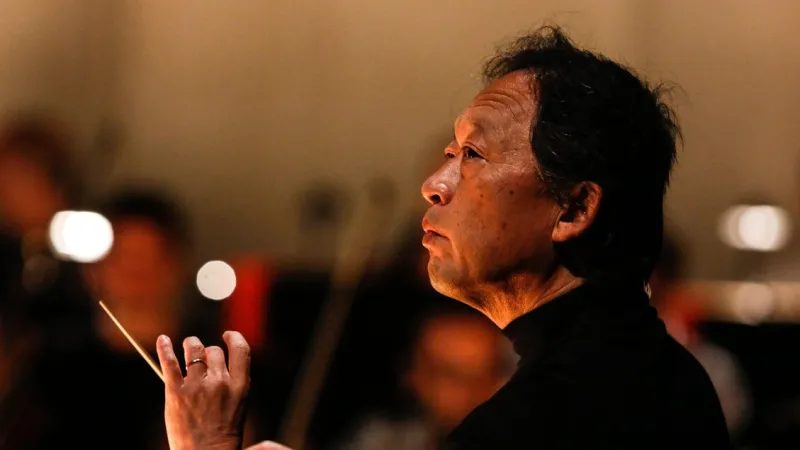
MILAN – Maestro Myung-Whun Chung has officially begun his highly anticipated artistic directorship at Milan's venerable La Scala opera house, inaugurating his era with a critically acclaimed production of Giuseppe Verdi's dramatic masterpiece, "Otello." This significant artistic event coincides with a controversial increase in VIP ticket prices, which the institution's management staunchly defends as a strategic move to foster a more inclusive and artistically robust future for the theater.
Chung, a conductor of immense international stature, assumes this pivotal role bringing a wealth of experience from leading orchestras and opera companies worldwide. His appointment signals a new chapter for La Scala, an institution globally revered for its profound history and its central role in the operatic tradition.
The choice of "Otello" for this momentous opening is deeply symbolic. Verdi's penultimate opera, a powerful adaptation of Shakespeare's tragedy, demands exceptional vocal and orchestral prowess, reflecting La Scala's commitment to artistic excellence under Chung's baton. The opera itself is a cornerstone of the Italian repertoire, resonating profoundly within the very walls where Verdi's works frequently premiered.
However, the excitement surrounding Chung's debut is tempered by discussions concerning the recent adjustments to ticket pricing, particularly for premium seating categories. Management confirmed that prices for VIP sections have seen an increase, a decision that has drawn both scrutiny and debate among opera enthusiasts and cultural commentators.
Officials at La Scala have articulated a clear rationale for these escalated costs. They argue that the revenue generated from higher-priced VIP tickets is essential for subsidizing more accessible seating options, funding ambitious new productions, and expanding educational and outreach programs. This strategy, they contend, is vital for realizing a vision of "an inclusive theater" that broadens its audience base and supports its artistic integrity.
The concept of an inclusive theater, as presented by La Scala, aims to ensure that while those who can afford premium experiences contribute more, the theater can simultaneously invest in initiatives that make opera more accessible to diverse segments of society, including students, younger audiences, and economically disadvantaged groups. This dual approach seeks to balance financial sustainability with a commitment to public engagement.
Critics of the policy, however, question whether increasing prices for the most affluent attendees genuinely translates into greater inclusivity. Some argue that such moves could inadvertently reinforce the perception of opera as an elitist art form, despite the stated intentions. The debate underscores the perennial challenge faced by major cultural institutions: balancing fiscal demands with their public mission.
La Scala has long stood as a beacon of cultural heritage, not just for Italy but for the entire world. Its stage has witnessed centuries of groundbreaking performances, and its reputation attracts the finest artists. The management expresses confidence that Chung's artistic leadership, coupled with prudent financial strategies, will uphold and elevate this esteemed legacy.
This strategic pivot in pricing arrives at a time when cultural institutions globally are grappling with evolving audience demographics, increased operating costs, and the ongoing need to secure private and public funding. La Scala's approach represents one model for navigating these complex economic realities while striving to maintain artistic excellence and broaden societal impact.
As Maestro Chung embarks on his ambitious journey with "Otello," his initial season will undoubtedly be a closely watched barometer for how this blend of artistic vision and financial strategy shapes the future trajectory of one of the world's most iconic opera houses, and whether the promise of a more inclusive La Scala can indeed be realized through these changes.