 Angela Stefani
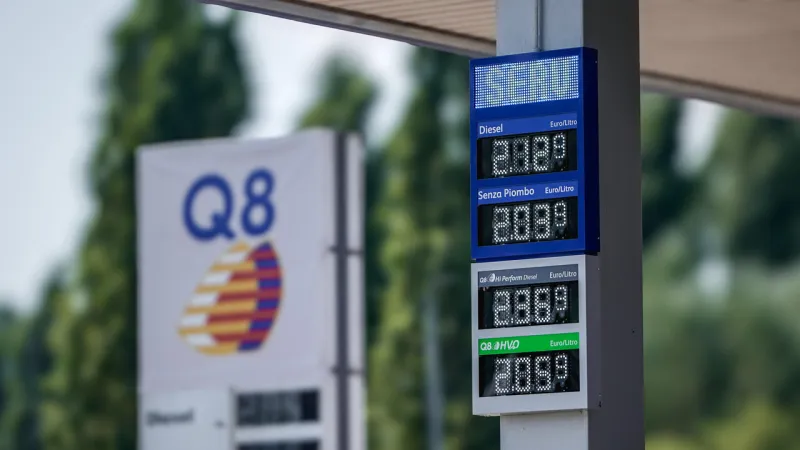
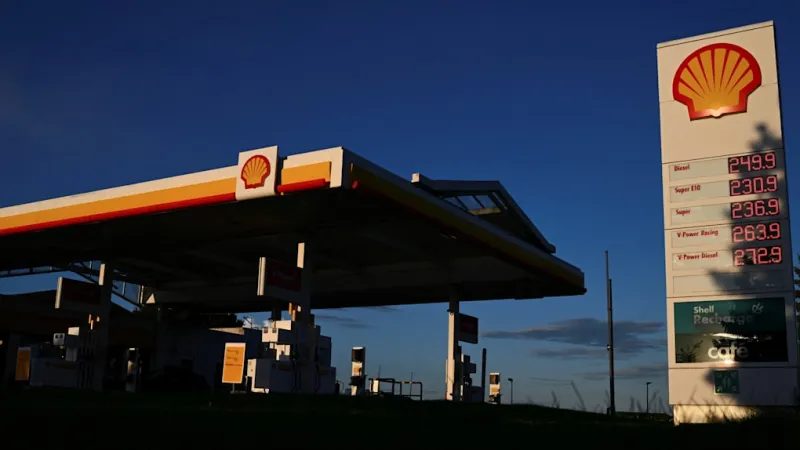
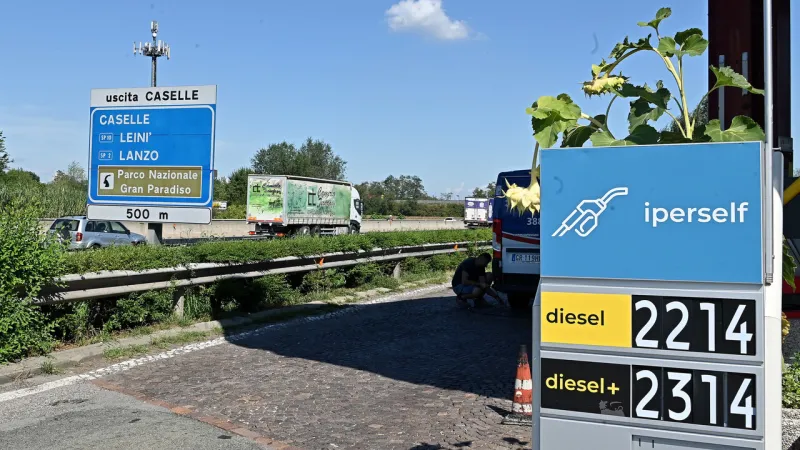
ROME – Motorists traversing Italian highways are now contending with diesel fuel prices that have climbed back to levels seen before the government's excise duty reduction measures, with the cost reaching 2.173 euros per liter. This significant increase effectively negates previous government relief, impacting commuters and commercial transport across the nation.
The reversal marks a critical shift for the Italian economy, particularly for sectors heavily reliant on road transport. The excise duty decree, which had provided a temporary reduction in fuel taxes, was initially implemented to mitigate the soaring energy costs that characterized the global market.
For months, consumers and businesses benefited from a lower cost at the pump, a direct result of the government's intervention to ease inflationary pressures. This measure was a key component of broader efforts to stabilize household budgets and support economic activity.
However, the recent data confirm that this period of relief has concluded. The price hike immediately places a renewed burden on individuals and companies, many of whom are still navigating a complex economic landscape marked by persistent inflation in other goods and services.
Analysts indicate that the government's decision to allow the excise duty reduction to lapse reflects a strategic pivot towards fiscal consolidation. While the initial measure provided critical breathing room, maintaining such subsidies indefinitely can strain national budgets.
The impact extends beyond individual commuters. The transport and logistics industries, vital arteries of the Italian economy, will face increased operational costs. These expenses often cascade down the supply chain, potentially leading to higher prices for a wide array of consumer goods.
Consumer advocacy groups have voiced concerns about the timing and magnitude of the price rebound. They highlight the vulnerability of low-income households and small businesses, for whom every cent per liter translates into tangible financial stress.
Economists are closely monitoring how this development will influence inflation metrics in the coming months. Fuel prices are a significant component of the consumer price index, and their upward trajectory could exert further pressure on the cost of living.
When the excise duty reduction was in effect, it positioned Italian fuel prices more favorably compared to some neighboring European nations. This advantage is now diminished, placing Italy in a more comparable, if not higher, bracket for diesel costs.
The government has yet to issue a comprehensive statement addressing the specific reasons for allowing the full reversion of prices. However, the broader economic context suggests a move away from emergency support measures as the nation seeks to recalibrate its fiscal policies.
The implications for household finances are substantial. Families already grappling with the rising costs of groceries and utilities will find their disposable income further squeezed. For many, the ability to manage monthly expenses, including planning for educational costs, becomes increasingly challenging. This situation parallels concerns seen elsewhere regarding rising household expenditures, such as those highlighted in reports on back-to-school spending.
Looking ahead, market watchers suggest that global crude oil prices and the euro-dollar exchange rate will continue to be primary determinants of domestic fuel costs. Without direct government intervention, Italian motorists remain exposed to the volatility of international energy markets.
The reestablishment of pre-reduction diesel prices underscores the delicate balance governments face between supporting citizens through subsidies and maintaining fiscal responsibility. For Italians, the immediate future points to a period of adjustment to higher fuel expenses.