 Robert Andrison
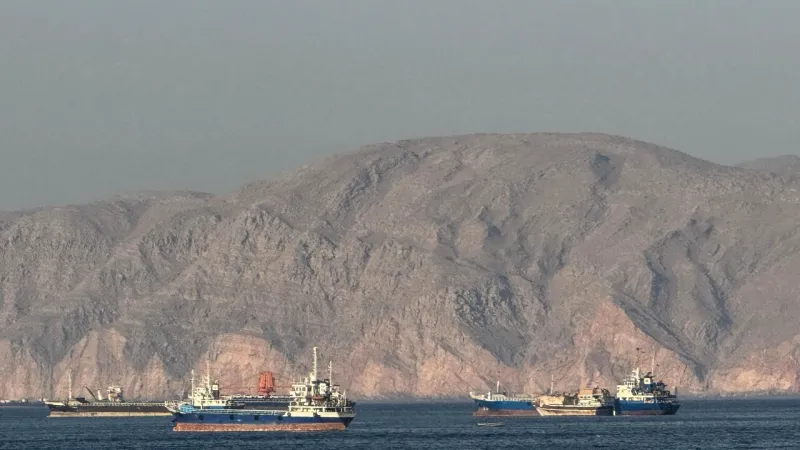
A breakthrough agreement regarding the critical Strait of Hormuz appears imminent, potentially within hours, according to an announcement by prominent market analyst Bessent. This prospect immediately triggered a decline in global crude oil prices, as Qatar confirmed its participation in ongoing, albeit indirect, discussions aimed at resolving regional tensions.
Bessent's pronouncement sent ripples through international energy markets, with benchmark crude futures reflecting the sudden reduction in geopolitical risk premium. The immediate market response underscores the Strait of Hormuzs unparalleled strategic importance to global oil supply chains.
Following Bessent's statement, Doha provided its own confirmation of the diplomatic efforts. Qatari officials verified that talks are indeed underway concerning the vital waterway, though they explicitly stated these discussions are not direct, suggesting a framework involving mediators or separate channels of communication.
The Strait of Hormuz, a narrow choke point between the Persian Gulf and the Arabian Sea, facilitates approximately one-fifth of the world's total petroleum consumption. Any perceived threat to its navigability invariably sends shockwaves through global commodity markets, impacting energy prices and broader economic stability.
Historical precedents illustrate the straits sensitivity, with past maritime incidents or political posturing consistently influencing oil price trajectories. The prospect of a diplomatic resolution aims to alleviate persistent anxieties surrounding supply disruptions from the region.
The recent dip in crude oil prices reflects the markets anticipation of diminished risk. Traders are factoring in the potential for unhindered passage for oil tankers, which would increase global supply certainty and potentially temper inflationary pressures driven by energy costs.
This development comes at a crucial juncture for the global economy in 2026, which continues to navigate complex geopolitical landscapes and fluctuating energy demands. Stability in key transit routes like the Strait of Hormuz is paramount for sustaining economic recovery and growth.
Previous reports highlighted the precariousness of the situation, with concerns over the strait's closure and regional security. For context on prior tensions, read about when Hormuz Reopening Nears Amid Oil Dip, Houthi Strikes Saudi Airfield, illustrating the high stakes involved in maintaining peace in the area.
While details regarding the specific terms or participants of the indirect negotiations remain sparse, Qatars acknowledgement lends significant credibility to the reports. The Gulf nation often plays a pivotal role in regional diplomacy, leveraging its relationships across various blocs.
Analysts are now closely monitoring official channels for further announcements, anticipating that a concrete agreement could swiftly de-escalate tensions that have periodically threatened the flow of oil. The market is poised for confirmation that could usher in a period of relative calm for energy prices.
Such an accord would not only stabilize oil markets but also signify a broader commitment to regional security and cooperation. It would represent a diplomatic triumph, mitigating a significant source of global economic uncertainty.
The implications extend beyond immediate energy costs, affecting consumer prices, industrial production, and overall economic sentiment worldwide. A reliable and secure Strait of Hormuz is a cornerstone of global trade and energy security.
As the world awaits further clarity from the negotiating parties, the initial reaction from markets and diplomatic circles suggests cautious optimism. The potential for an agreement within hours signals a rapid conclusion to sensitive and critical discussions.