 Chris Robert
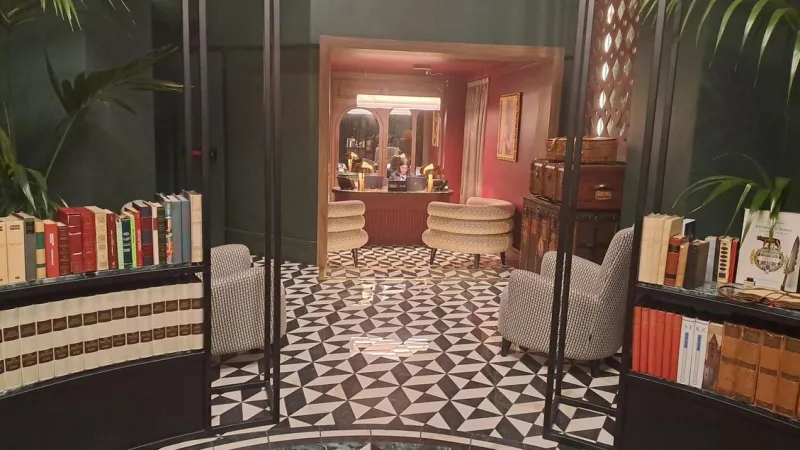
Rome — The Goethe Hotel unveils an innovative indoor Grand Tour, offering a refined cultural and gastronomic escape from summer heat. This initiative, dubbed Affinity Kitchen Alchemy, reinterprets traditional European travel for modern times.
The hotel transforms into a sophisticated cultural salon, inviting guests to immerse themselves in art, literature, and fine dining within its climate-controlled environment. This pivot addresses the growing demand for luxurious, comfortable experiences as traditional outdoor sightseeing becomes increasingly challenging.
Affinity Kitchen Alchemy represents a fusion of culinary excellence and intellectual discourse. Esteemed chefs present signature dishes, transforming dining into a performative art, while literary figures and artists engage audiences in intimate settings.
This development comes as European nations grapple with increasingly severe heatwaves. Reports indicate that prolonged periods of extreme temperatures have significantly impacted outdoor activities, including tourism, prompting a reevaluation of traditional travel models across the continent. For more on this, see Europe's Deadly Heatwave Escalates.
Italy, in particular, has experienced the effects of these climatic shifts, with concerns raised about public health and the sustainability of outdoor events during peak summer months. The Goethe Hotel's approach offers a sanctuary from these conditions.
The concept directly harks back to the historical Grand Tour, a rite of passage for young European aristocrats from the 17th to 19th centuries, typically involving extensive travel to cultural centers like Rome. This modern indoor iteration maintains the spirit of intellectual and aesthetic enrichment but adapts it to contemporary environmental realities.
Gastronomy plays a central role in Affinity Kitchen Alchemy. The program showcases a curated selection of culinary experiences, ranging from haute cuisine tasting menus to interactive workshops, all designed to highlight Italy's rich culinary heritage through an innovative lens.
Beyond the plate, the cultural dimension flourishes. The Goethe Hotel hosts an array of artistic presentations, including exhibitions of contemporary art and curated literary readings. These events enrich the guest experience, positioning the hotel as a vibrant hub for intellectual exchange. This aligns with broader trends in Italian arts, as explored in Italy's Weekend of Art.
The strategic decision to move cultural and gastronomic pursuits indoors reflects a broader shift in the luxury hospitality sector. Hotels are increasingly challenged to offer unique value propositions that transcend mere accommodation, particularly in a world grappling with climate change.
This initiative at the Goethe Hotel also signifies a potential blueprint for other historic European properties. By leveraging their architectural grandeur and cultural prestige, they can create compelling alternatives to weather-dependent tourism, ensuring continued vibrancy.
Guests seeking an alternative to the intense summer sun can now explore Italian culture and cuisine in unparalleled comfort. This targeted offering appeals to a discerning clientele that values exclusivity, comfort, and intellectual engagement above conventional sightseeing.
The program demonstrates how luxury establishments can innovate and adapt to evolving environmental and consumer preferences. It underscores a forward-thinking approach to tourism, prioritizing guest well-being and a high-quality experience irrespective of external conditions.
Affinity Kitchen Alchemy is poised to become a benchmark for cultural hospitality. Its seamless integration of fine dining, visual arts, and literary events within a single, curated experience sets a new standard for luxury hotels worldwide.
The Goethe Hotel, already renowned for its elegant ambiance and prime location, further solidifies its reputation as a destination not just for lodging, but for profound cultural immersion. This strategic enhancement aims to attract both international and local connoisseurs.
This sophisticated retreat exemplifies how historical elegance can converge with modern imperatives. It offers a fresh perspective on the Grand Tour, proving that intellectual and sensory exploration can thrive indoors, even as global temperatures continue their upward trend.
The success of such initiatives may encourage broader adoption of climate-resilient tourism strategies across Europe, securing the future of cultural travel in an era of environmental uncertainty.