 Dodi Irawan
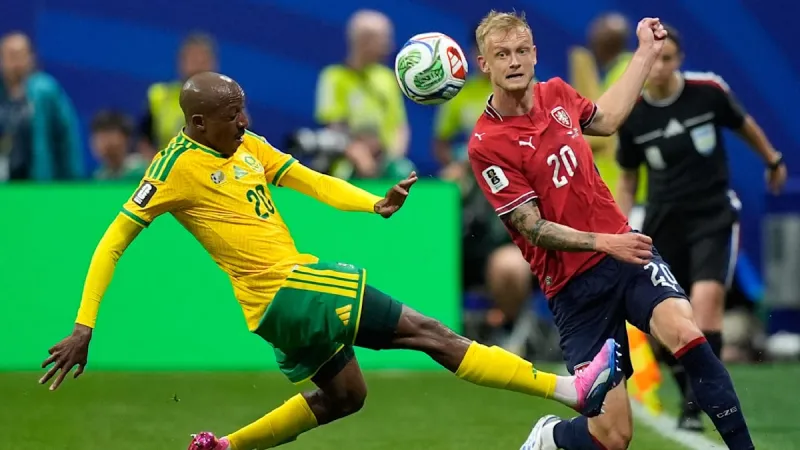
A dramatic penalty decision during a recent World Cup encounter saw the Czech Republic squander an early lead against South Africa, resulting in a crucial draw that leaves their tournament progression in serious jeopardy. The highly anticipated match, played within the intense atmosphere of the global football championship, denied Czechia its inaugural victory, a setback with potentially fatal consequences for their campaign.
The Czech squad initiated the game with palpable strength, asserting dominance early on. Their vigorous start culminated in a well-executed goal by midfielder Michal Sadilek, providing an initial boost and setting a promising tone for the European side. This early advantage appeared to position them firmly in control of the crucial group stage fixture.
However, as the match progressed, the Czech team gradually relinquished its hold on the game's rhythm and tempo. What began as a confident display slowly gave way to a more reactive posture, allowing their African opponents to find a foothold and build momentum.
South Africa, initially under pressure, capitalized on Czechia's diminishing control. They progressively elevated their performance, demonstrating increased cohesion in midfield and creating more offensive threats. This sustained effort and tactical adjustment eventually paid dividends, shifting the balance of play.
The decisive moment arrived with a contentious penalty awarded to South Africa, a decision that sparked immediate debate. The ensuing spot-kick was converted, leveling the score and nullifying Czechia's early advantage. This equalizer, earned through what many observers deemed a moment of significant drama, underscored the shifting fortunes of the contest.
The draw, instead of a much-needed victory, places the Czech Republic in a highly precarious position within their World Cup group. Their inability to secure maximum points from a winning position severely complicates their path to the knockout stages, demanding flawless performances in subsequent matches.
For the Czech squad, the immediate aftermath is one of profound disappointment and heightened pressure. Missing out on the first win means they now face an uphill battle, potentially requiring victories against stronger opponents or relying on favorable results elsewhere, which is never a comfortable scenario in high-stakes tournaments.
This outcome mirrors sentiments previously expressed about the team's fragility, as detailed in reports such as Czech World Cup Hopes Dim: Early Error Leads to Collapse. The pattern of failing to convert strong starts into decisive wins could prove a recurring vulnerability for the squad.
In the unforgiving environment of the World Cup, where every point is fiercely contested, even a single draw can drastically alter a team's destiny. The narrow margins for error demand absolute focus and clinical execution, lessons the Czech team must absorb quickly.
Looking ahead, the Czech Republic must now regroup and strategize for their remaining group stage fixtures with renewed urgency. Their qualification prospects hinge on their capacity to convert future opportunities and maintain composure under immense pressure.
The psychological impact of conceding a late equalizer under dramatic circumstances cannot be overstated. Teams often struggle to shake off such setbacks, and the coaching staff will be working diligently to restore confidence and focus within the squad.
Conversely, for South Africa, securing a point from this encounter represents a valuable gain. Their resilience and ability to fight back after an early deficit demonstrate a commendable spirit, keeping their own World Cup ambitions alive and providing a foundation to build upon for their upcoming games.
The result adds another layer of intrigue to an already compelling World Cup group. Each team's fate remains intertwined, with the final matchdays promising intense drama as nations vie for progression to the tournament's next phase. This contest serves as a stark reminder of the unpredictable nature of top-tier international football.