 Dodi Irawan
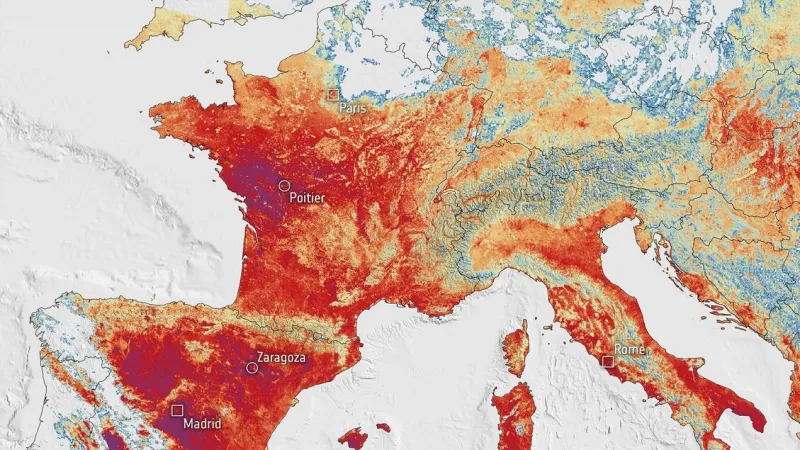
Brussels, Belgium – Groundbreaking data from Europe's Copernicus Earth observation satellites indicates that soil temperatures across swathes of the continent are approaching a staggering 50 degrees Celsius, a critical benchmark that underscores the severe intensification of Europe's ongoing climate crisis. The unprecedented readings, revealed this week, highlight the immediate and profound challenges facing ecosystems, agriculture, and public health as extreme heat events become more frequent and intense.
Copernicus, the European Union's flagship Earth observation program, provided the alarming data through its advanced satellite network. These measurements offer a stark, real-time picture of ground conditions, distinct from air temperatures often reported in daily forecasts, revealing the true thermal stress experienced by land surfaces.
The implications of such elevated soil temperatures are far-reaching. Agricultural sectors, particularly in southern and central Europe, face significant crop losses, exacerbated by accelerated evaporation and severe drought conditions. This directly threatens food security and the livelihoods of farmers already grappling with unpredictable weather patterns.
Ecological systems are also under immense strain. High soil temperatures contribute to widespread plant stress, increasing vulnerability to pests and diseases. Furthermore, they heighten the risk of devastating wildfires, transforming parched landscapes into tinderboxes ready to ignite with minimal provocation.
While specific regions experiencing these peak temperatures were not detailed in the initial Copernicus announcement, historical patterns suggest areas around the Mediterranean basin, including parts of Spain, Italy, Greece, and the Balkans, are likely hotspots. These areas frequently contend with prolonged periods of intense summer heat.
Scientists from various European meteorological agencies have long warned about the escalating frequency and intensity of heatwaves. The latest satellite data corroborates these projections, painting a grim picture of accelerating climate change impacts across the continent. These observations follow previous extreme weather events, such as when Europe sweltered, leading to hundreds of deaths in Spain and significant public health measures in cities like Paris in recent years.
Experts emphasize that ground temperatures are a critical indicator of climate stress, influencing everything from soil microbiology to the water cycle. Temperatures near 50 degrees Celsius directly affect soil fertility, hindering nutrient absorption by plants and accelerating the decomposition of organic matter, further depleting vital topsoil.
The challenge extends beyond environmental concerns to critical infrastructure. Roads, railways, and other essential systems are susceptible to damage from prolonged exposure to extreme heat, leading to disruptions in transportation and increased maintenance costs for municipalities and national governments.
Public health officials are bracing for potential increases in heat-related illnesses and fatalities, particularly among vulnerable populations such as the elderly, young children, and outdoor workers. Governments are urged to reinforce public awareness campaigns and implement robust heat action plans.
As Europe moves deeper into 2026, the data from Copernicus serves as an urgent call to action, demanding more aggressive climate mitigation and adaptation strategies. The continent's ability to safeguard its ecosystems, economy, and citizens hinges on a swift and coordinated response to these escalating environmental threats.