 Edward DP Situmorang
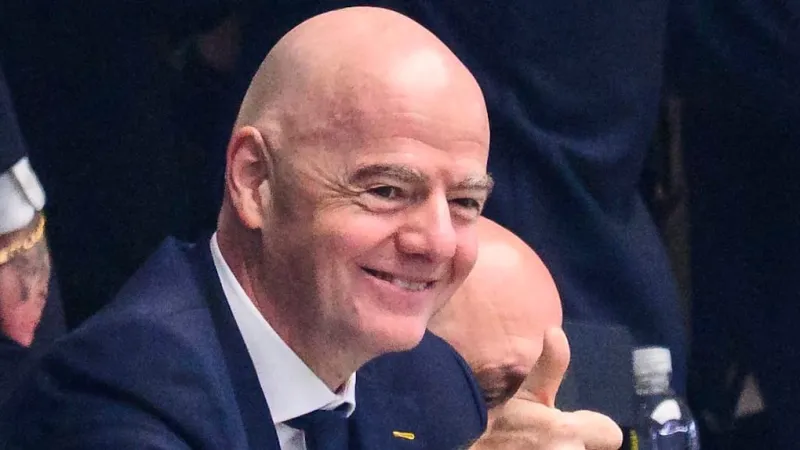
FIFA President Gianni Infantino has reportedly traversed an astonishing 112,000 kilometers aboard a luxury jet during the current 2026 FIFA World Cup across North America. This travel itinerary, equivalent to almost three times the Earth's circumference, places the global soccer chief in numerous stadium stands, even as fans voice significant discontent over soaring ticket and accommodation prices for the tournament.
The extensive air travel undertaken by the FIFA boss highlights a stark contrast between the lavish lifestyle of the sport's highest echelons and the financial burdens shouldered by ordinary supporters eager to experience the global spectacle. As the tournament progresses through its various host cities, Infantino's omnipresence has become a noticeable fixture, frequently captured by cameras.
Critics point to the staggering distance covered by Infantino as emblematic of a perceived disconnect between FIFA's leadership and its foundational fanbase. The 112,000 kilometers logged underscore a pattern of high-frequency, long-distance private air travel, a choice that carries both considerable financial and environmental implications.
This extensive travel comes at a time when the 2026 FIFA World Cup, co-hosted by the United States, Canada, and Mexico, is already projected to be the largest and most commercially successful iteration in the tournament's history. Record attendances and broadcast figures are anticipated, further amplifying the financial stakes involved.
The operational costs associated with such frequent and luxurious private jet travel are substantial. While FIFA generates immense revenues from broadcasting rights, sponsorships, and ticket sales, the optics of its president traversing continents in opulence while fans struggle with affordability issues remain a point of contention.
Fan groups and sports commentators have increasingly scrutinized the financial accessibility of major sporting events. The concerns articulated by supporters regarding the price of admission, travel, and lodging for the World Cup echo broader frustrations about the commercialization of sports that seemingly prioritizes profit over grassroots engagement.
The carbon footprint generated by such extensive private aviation also draws attention, particularly in an era of heightened global awareness regarding climate change. While FIFA has made commitments to sustainability, the actions of its top executive are often viewed through a lens of environmental responsibility.
Past World Cups have seen similar debates arise concerning the conduct and travel habits of FIFA officials. The organization has historically faced challenges in managing its public image, particularly regarding transparency and accountability in its financial practices and executive perks.
This situation adds another layer to the ongoing narrative surrounding FIFA's governance. As an organization that governs the world's most popular sport, its leadership is constantly under immense public and media scrutiny, especially when perceived luxuries are juxtaposed against public hardships.
The ultimate goal of the World Cup is to unite nations through sport, fostering goodwill and cultural exchange. However, the current discussions around Infantino's travel habits risk detracting from the athletic achievements and celebratory atmosphere that define the tournament.
Despite the criticisms, Infantino's visible presence at multiple venues is also intended to demonstrate FIFA's commitment to the successful execution of the complex, multi-nation event. His supporters would argue that such extensive travel is necessary for effective oversight and engagement with host committees and national federations.
However, the question remains whether this level of personal involvement necessitates private luxury travel amounting to nearly three Earth's circumferences, particularly when more modest and environmentally conscious alternatives might be available. The perception gap between leadership and fanbase persists as a significant challenge for modern sports governance.