 Edward DP Situmorang
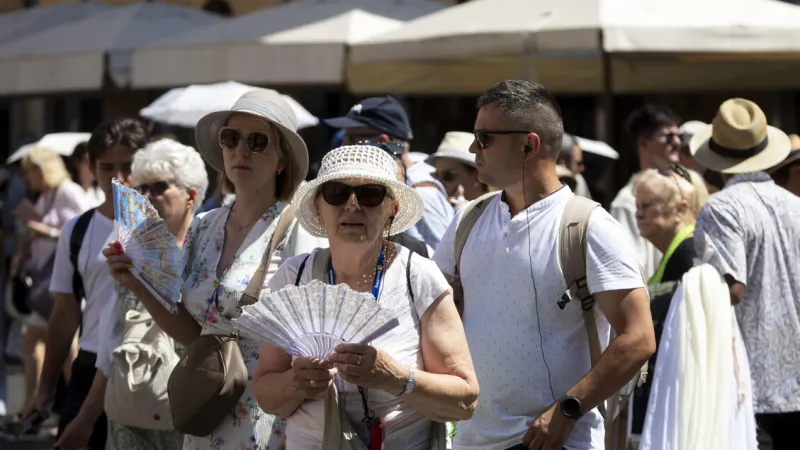
ROME, Italy's central and southern regions grapple with a relentless heatwave that has claimed at least five lives, prompting an urgent government response and significant public health concerns. The deadly conditions, characterized by soaring temperatures, are expected to intensify further through the upcoming weekend, pushing emergency services and vital infrastructure to their limits.
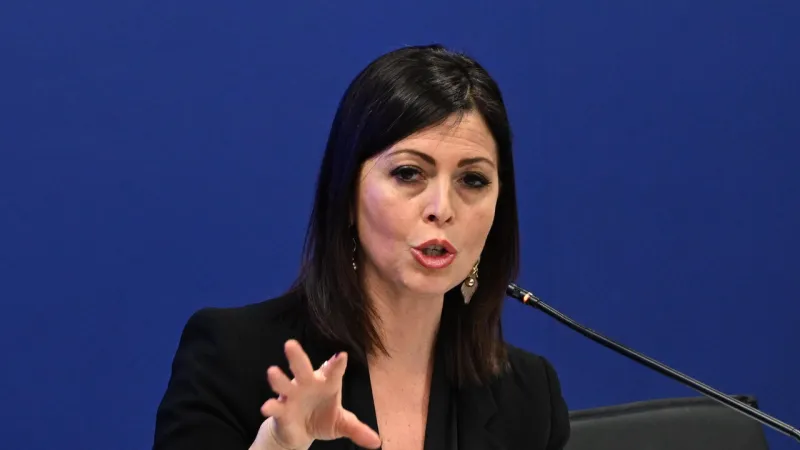
Health Minister Orazio Schillaci has convened an emergency meeting for tomorrow to address the escalating crisis. The summit will bring together key health officials and civil protection agencies to coordinate strategies aimed at mitigating the heatwave's impact and protecting vulnerable populations.
The fatalities, primarily among the elderly and those with pre-existing conditions, underscore the extreme danger posed by prolonged exposure to high temperatures. Medical professionals across the affected areas report a surge in heat-related illnesses, including heatstroke and dehydration.
Infrastructure is showing significant strain, with reports of air conditioning systems failing under continuous operation, leaving many without relief from the oppressive heat. Power grids are experiencing increased demand, raising concerns about potential outages in densely populated urban centers.
In a stark illustration of the heatwave's disruption, authorities at Florence's renowned Uffizi Galleries have temporarily suspended online ticket sales for peak hours. This measure aims to protect visitors and staff from the intense conditions while managing crowd flow more effectively during cooler periods.
Meteorological forecasts indicate that the current anticyclone, dubbed Minos, will usher in the heatwave's most severe phase over the coming days. Temperatures are projected to exceed 40 degrees Celsius (104 degrees Fahrenheit) in numerous cities, particularly across Sicily, Sardinia, and the southern mainland regions.
Experts warn that the effects of this prolonged heatwave could extend beyond the immediate health crisis, impacting agricultural yields and increasing the risk of wildfires in already parched landscapes. Public awareness campaigns urge residents to stay hydrated, avoid strenuous activity during midday, and check on elderly neighbors.
This ongoing phenomenon aligns with earlier predictions that Italy would brace for a prolonged heatwave, with experts anticipating respite only towards late June. The current extreme conditions highlight the growing frequency and intensity of such weather events globally.
The Ministry of Health has activated its emergency protocols, deploying additional medical staff and resources to hospitals and clinics. Local municipalities are also opening cooling centers in public buildings to provide refuge for those without adequate home cooling options.
The widespread impact on daily life, from closed cultural institutions to strained healthcare, presents a formidable challenge for Italian authorities. The upcoming emergency meeting is expected to outline specific, immediate actions to combat the immediate threat and plan for future heatwave preparedness.