 Dodi Irawan
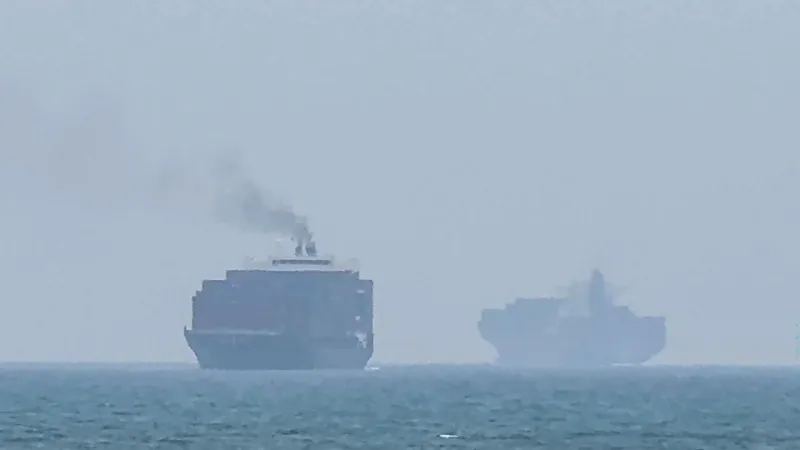
The Strait of Hormuz, a pivotal maritime artery, experienced an unprecedented cessation of all shipping traffic yesterday evening, following a significant intensification of military confrontations between the United States and Iran. This abrupt halt, confirmed by navigation monitoring sites and subsequently reported by the BBC, immediately sent global oil prices surging and ignited widespread concerns over the stability of energy markets and geopolitical tensions.
This critical development materialized amid reports of new, reciprocal military engagements between the two rival powers. While specific details of these actions remain limited, the impact on one of the worlds most vital maritime chokepoints was immediate and severe, effectively locking down commercial transit through the narrow waterway.
The cessation of activity in the Strait of Hormuz holds profound implications for the global economy. Approximately 20% of the world's total petroleum liquids consumption, and about one-third of all seaborne traded oil, passes through this 21-mile wide channel connecting the Persian Gulf with the Arabian Sea. The immediate market response saw benchmark crude futures climb sharply, reflecting deep anxieties about potential supply disruptions.
In a swift and stern reaction, Tehran issued a stark warning. "If the United States does not respect its commitments," a spokesperson for the Iranian Foreign Ministry stated, "we will abandon the memorandum of understanding." This declaration implicitly refers to the diplomatic accords that have intermittently sought to temper the ongoing friction, hinting at a severe shift in Iran's strategic posture should the current escalations persist.
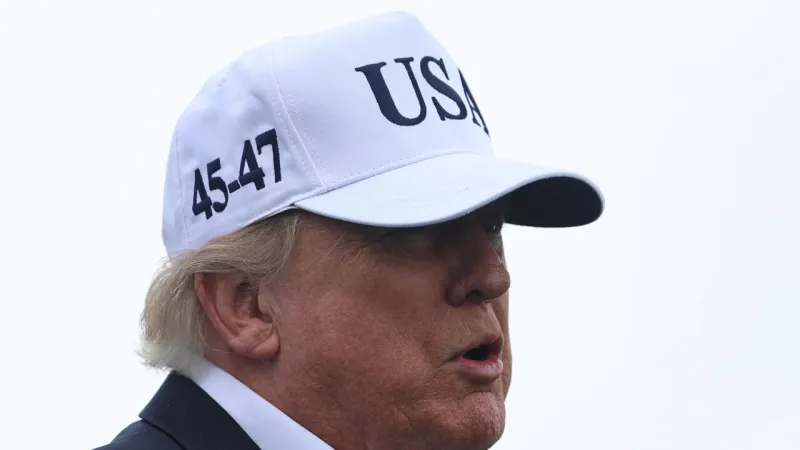
President Donald Trump's administration has consistently adopted a robust stance against what it characterizes as Iran's destabilizing regional activities and its nuclear ambitions. While no direct statement from the White House was immediately available regarding the latest closure, previous rhetoric from Washington has underscored a readiness to safeguard international shipping lanes and deter aggression.
The Strait of Hormuz has historically been a flashpoint for regional and international tensions. Its strategic importance makes it a frequent arena for geopolitical maneuvering, with past incidents involving naval confrontations, attacks on oil tankers, and the disruption of shipping routes. This latest closure marks a particularly dangerous escalation, moving beyond threats to actual cessation of vital trade.
Reports of the recent reciprocal military actions are scarce on specifics but suggest a new phase in the protracted shadow conflict between Washington and Tehran. Such clashes, even if limited in scope, inherently raise the specter of miscalculation, potentially drawing regional and international allies into a wider conflict. For instance, US Aircraft Intercepts Iranian Threats Amid Hormuz Strait Tensions last year underscored the persistent dangers.
International bodies and numerous world leaders have already begun to voice alarm. Calls for immediate de-escalation and a return to diplomatic channels are expected to intensify, recognizing the catastrophic economic and humanitarian consequences of an enduring closure or an expanded conflict. Pope Francis, in particular, has frequently warned of a returning war, advocating for urgent diplomacy.
The ramifications extend far beyond just oil markets. Global supply chains, already vulnerable to various geopolitical stressors, face fresh uncertainty. Industries reliant on maritime transport through the Middle East, from manufacturing to consumer goods, could experience significant delays and increased costs, potentially triggering inflationary pressures worldwide.
Iran's threat to abandon the memorandum of understanding could signify a retreat from any existing diplomatic frameworks designed to contain its nuclear program or regional influence. Such a move would further complicate efforts to find a peaceful resolution and could prompt additional international sanctions or stronger countermeasures.
Analysts suggest that the current impasse will test the resolve of all parties involved. The United States will likely weigh its options for ensuring freedom of navigation, while Iran seeks to leverage its strategic position. The duration of the Strait of Hormuz closure and the nature of the diplomatic fallout remain critical unknowns in this rapidly evolving crisis.
Regional security forces are reportedly on high alert, with increased naval and air patrols observed in the vicinity. The immediate priority for international stakeholders involves preventing any further hostile acts and working towards a swift resumption of safe passage through the strait. The economic stability of countless nations hinges on a rapid and peaceful resolution to this perilous standoff.