 Robert Andrison
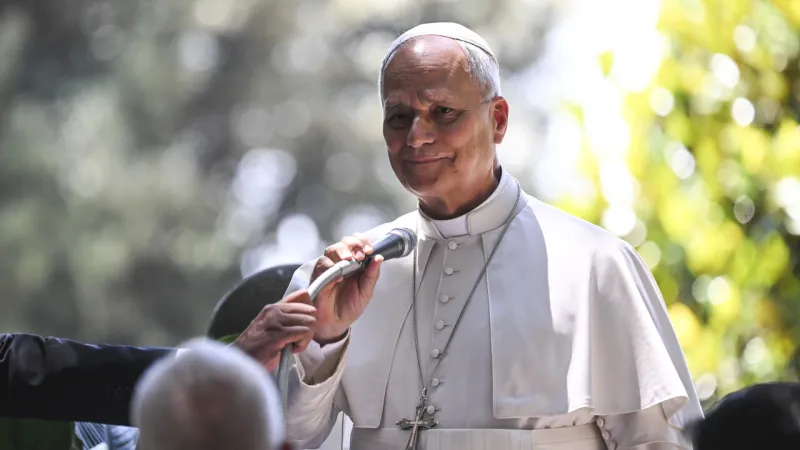
VATICAN CITY – Pope Francis recently issued a stark warning regarding the resurgence of global conflicts, asserting that "winds of war are returning and sowing death and terror" across the world. Speaking from the Vatican, the Pontiff emphatically reiterated that persistent dialogue, mutual encounter, and astute diplomacy remain humanitys sole viable path toward lasting peace.
The global landscape, marked by a myriad of flashpoints and protracted conflicts, has prompted the spiritual leader of the Catholic Church to consistently advocate for de-escalation. His message underscores a pervasive sense of instability, where regional disputes often carry potential for broader international implications.
In his impassioned plea, Pope Francis declared, "I renew my hope that the path of dialogue, encounter, and diplomacy will be pursued with perseverance." This statement, delivered with a profound sense of urgency, reflects his long-standing commitment to non-violence and peaceful resolution as fundamental tenets for international relations.
The Pope's concerns are not merely abstract; they resonate against a backdrop of ongoing geopolitical tensions that threaten to unravel decades of diplomatic progress. From Eastern Europe to the Middle East and beyond, various crises continue to displace populations, claim lives, and perpetuate cycles of animosity.
Indeed, the concept of "winds of war" evokes a powerful image of unpredictable, escalating hostilities that can sweep across continents, leaving destruction in their wake. Pope Francis often frames these challenges as moral failures, urging leaders to prioritize human dignity over political or economic gain.
His appeal for persistent dialogue emphasizes the necessity of continuous communication even among adversaries. It suggests that breaking lines of communication often precedes a deterioration into open conflict, making the maintenance of diplomatic channels paramount.
Moreover, the call for "encounter" highlights the importance of humanizing the perceived opponent, fostering understanding that transcends nationalistic or ideological divides. This approach, central to Catholic social teaching, seeks common ground through mutual respect and shared humanity.
Diplomacy, in the Pontiff's view, is not merely a tool but an imperative. It represents the structured, strategic engagement necessary to negotiate differences, broker truces, and forge agreements that prevent bloodshed and build foundations for long-term stability. The complexity of modern international relations often demands this intricate process.
The Vatican, under Pope Francis's leadership, has frequently positioned itself as a neutral arbiter and a voice for peace, tirelessly working behind the scenes to facilitate dialogue between warring factions. This moral authority lends significant weight to his public pronouncements.
The international community, facing profound challenges, has seen escalating rhetoric and an increase in military posturing in recent years. This climate, the Pope suggests, feeds the very "terror" he aims to combat by fostering fear and despair among civilian populations.
Recent global events, such as the increasing friction between major powers, exemplify the type of epochal rupture that some international observers, including German President Frank-Walter Steinmeier, have noted. Steinmeier previously declared that the US and Russia precipitate global epochal rupture, highlighting the profound shifts in international order that underpin the Pope's concerns.
Further demonstrating these heightened tensions, reports of US forces targeting Iranian defenses amidst Hormuz Strait tensions underscore the precarious nature of peace in key strategic regions.
The Pontiff's message serves as a powerful reminder to political leaders and citizens alike that the pursuit of peace requires active, unwavering commitment. It is a continuous endeavor, demanding courage, foresight, and an unyielding belief in humanity's capacity for reconciliation.
Ultimately, Pope Francis's fervent appeal is a call to conscience, urging the world to turn away from the path of destruction and embrace the arduous but ultimately rewarding journey of building a future defined by genuine peace and mutual understanding. His words stand as a beacon for those who seek to bridge divides rather than deepen them.