 Robert Andrison
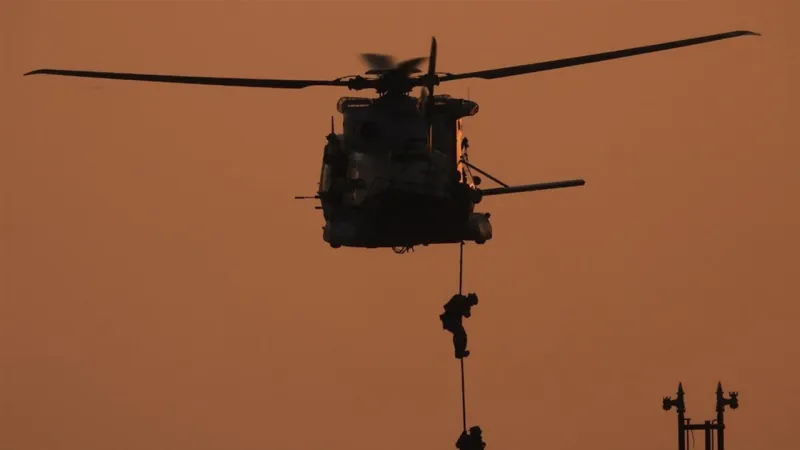
Rome – The Italian Navy recently intercepted and boarded an oil tanker suspected of belonging to Russia's so-called shadow fleet, conducting thorough inspections in a significant maritime operation. A specialized team of military personnel, deployed via helicopter, disembarked onto the vessel to enforce compliance with international regulations and sanction protocols.
The term shadow fleet refers to a clandestine network of aging vessels often operating under opaque ownership structures and flags of convenience. These tankers frequently transport Russian oil beyond the purview of G7 price caps and Western sanctions, becoming a critical component of Moscow's strategy to circumvent economic restrictions imposed after the 2022 invasion of Ukraine.
Details released by Italian defense officials indicate that the operation involved a swift and professional boarding procedure. Naval personnel from an Italian warship utilized a helicopter to transport the inspection team directly onto the deck of the target tanker, ensuring safety and efficiency during the high-seas maneuver.
The inspections were carried out to verify the vessel's documentation, cargo manifest, and adherence to international maritime safety and environmental standards. Such checks are routine but gain heightened importance when applied to ships suspected of involvement in illicit or sanction-evading activities.
Western nations, including Italy, have implemented stringent sanctions aimed at limiting Russia's ability to finance its ongoing military efforts. The shadow fleet actively undermines these efforts, creating a parallel system for oil exports that evades the established regulatory framework.
Concerns about the Russian shadow fleet extend beyond sanctions evasion. Experts warn of the significant environmental and safety risks posed by these aging vessels, which often lack proper maintenance and insurance, making them potential ecological hazards in vital shipping lanes.
Italy, strategically located in the Mediterranean, plays a crucial role in monitoring maritime traffic and enforcing international law in the region. This boarding operation underscores Rome's commitment to upholding international order and contributing to collective security measures.
The encounter highlights the ongoing geopolitical tensions at sea, where economic warfare and strategic interests frequently intersect. Naval forces globally are increasingly vigilant regarding vessels that may pose security or economic threats, particularly those operating with questionable legitimacy.
This intervention by the Italian Navy sets a precedent for direct action against the shadow fleet, signaling a more assertive stance by European Union members. It suggests a potential increase in similar interdictions as international bodies seek to tighten the net around sanction-busting operations.
Disrupting the shadow fleet is crucial for amplifying the economic pressure on Russia. Each successful interdiction or inspection adds to the operational costs and risks for those involved in circumventing sanctions, potentially impacting Moscow's revenue streams.
While specifics on the tanker crew's cooperation remain limited, such operations typically proceed with little resistance once naval forces establish control, relying on the principle of innocent passage and established international protocols for inspections.
This Italian action complements broader international efforts, including intelligence sharing and diplomatic pressure, aimed at exposing and dismantling the intricate networks supporting Russia's shadow fleet.
The environmental aspect remains a pressing concern, as any incident involving these poorly regulated tankers could lead to catastrophic oil spills, particularly in ecologically sensitive areas like the Mediterranean Sea.
The increased scrutiny of the shadow fleet also sends a clear message across the global shipping industry, emphasizing the growing risks associated with operating outside established international norms and regulations.