 Debby Wijaya
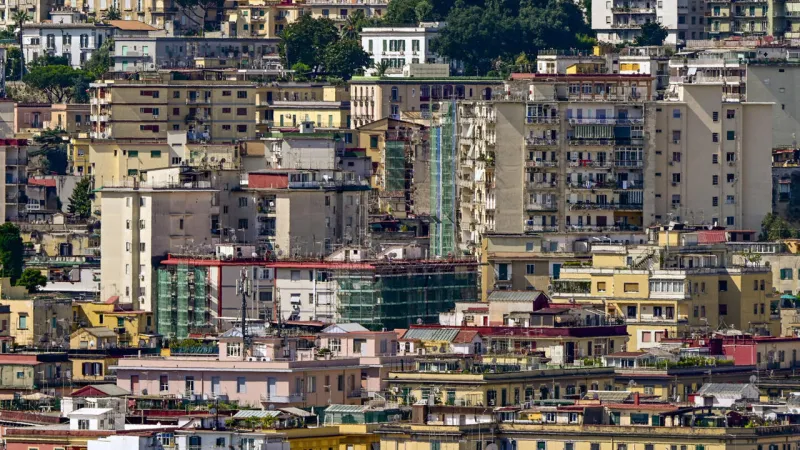
Rome - Italy's State Property Agency, known as Demanio, has committed a substantial investment exceeding 5 billion euros since 2022 toward an ambitious national program to regenerate public assets. This initiative aims to transform a diverse portfolio of properties—ranging from former military barracks and administrative offices to disused prisons, historic buildings, and cultural museums—into vital levers for territorial development and economic revitalization across the nation.
The strategic allocation of these funds underscores a clear governmental vision: to repurpose often underutilized or dilapidated state-owned properties, breathing new life into local economies and fostering community engagement. The program specifically targets assets with significant historical or architectural value, ensuring their preservation while adapting them for contemporary use.
Officials emphasize that this is more than mere renovation; it represents a comprehensive strategy for urban and regional renewal. By converting dormant structures into active centers—whether for public services, cultural hubs, or private sector innovation—the Demanio seeks to unlock latent potential in areas that might otherwise face decline.
The investment timeline, spanning from 2022 onwards, reflects a multi-year commitment to this extensive regeneration effort. This sustained financial injection is designed to create a ripple effect, stimulating construction, creating jobs, and attracting further private investment into the affected regions.
Projects under this umbrella encompass a wide array of transformations. For instance, former military barracks are being re-imagined as university campuses or social housing, while obsolete administrative buildings are being converted into modern co-working spaces or incubators for startups.
The focus on historic buildings and museums is particularly poignant, highlighting Italy's dedication to its rich cultural heritage. By upgrading and expanding these cultural landmarks, the initiative not only enhances their appeal to tourists but also provides improved facilities for local communities, fostering a deeper connection to their past.
The regeneration of disused prisons, a complex undertaking, exemplifies the program's innovative approach. These formidable structures are being re-envisioned as community centers, archives, or even avant-garde cultural spaces, transforming symbols of confinement into venues for public good.
This extensive undertaking aligns with broader European Union goals for sustainable urban development and the circular economy, advocating for the reuse of existing infrastructure rather than constant new construction. It positions Italy as a leader in innovative public asset management.
The State Property Agency reports that early phases of the investment have already yielded tangible benefits, with several pilot projects demonstrating significant improvements in local infrastructure and socio-economic indicators. These successes provide a blueprint for future endeavors under the program.
Looking ahead, the Demanio plans to expand the scope of its initiatives, identifying additional properties nationwide that could benefit from strategic regeneration. The long-term objective is to establish a self-sustaining model where revitalized assets contribute directly to their own maintenance and further community investment.
This massive public sector investment acts as a catalyst, encouraging municipalities and private entities to partner in these ambitious projects. Such collaborations are essential for maximizing the impact and ensuring the longevity of the revitalized properties, solidifying their role as pillars of local prosperity.
The program represents a proactive stance by the Italian government to address challenges such as urban decay, depopulation in certain regions, and the need for modern infrastructure. By leveraging existing assets, Italy is charting a path towards more resilient and vibrant communities.
Moreover, the emphasis on cultural sites and museums recognizes their intrinsic value beyond mere economic returns. These sites are crucial for national identity and serve as educational resources, drawing both local residents and international visitors.
Stakeholders and local administrators have largely welcomed the Demanio's initiative, noting the potential for significant positive change in their respective territories. The transparency and strategic planning behind the 5 billion euro investment have also garnered praise.
As the program progresses, attention will remain on its effectiveness in achieving both economic uplift and cultural preservation. The commitment demonstrated since 2022 signals a sustained national effort to maximize the value of Italy's vast public patrimony for future generations.