 Chris Robert
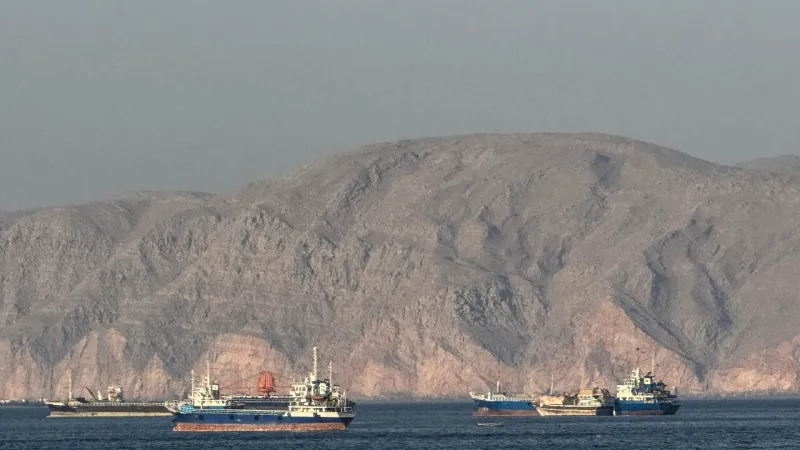
WASHINGTON – Tensions have dramatically escalated in the strategic Persian Gulf following reports that United States forces have targeted Iranian missile and air defense systems. The provocative actions, focused on Iranian installations near the critical Strait of Hormuz, signify a sharp re-escalation of hostilities in a region vital for global energy security.
The specific nature and scale of the targeting remain officially undisclosed by military authorities as of this report. However, intelligence assessments suggest the operations focused on disrupting or degrading Iran's capacity to threaten maritime traffic and US assets within the Gulf. These systems include surface-to-air missile batteries and radar installations, deemed critical for Iran's anti-access and area-denial capabilities.
The Strait of Hormuz, a narrow waterway connecting the Persian Gulf to the open ocean, serves as the world's most important oil transit chokepoint. Approximately one-fifth of global oil consumption, alongside substantial volumes of liquefied natural gas, passes through this strategic passage daily, making any disruption a severe threat to international markets and economies.
This latest development marks a perilous chapter in the longstanding friction between the United States and Iran. Relations have been particularly fraught under President Donald Trump's administration, characterized by heightened sanctions, military posturing, and a withdrawal from the Joint Comprehensive Plan of Action (JCPOA), commonly known as the Iran nuclear deal.
The targeting operation underscores Washingtons resolve to counter what it perceives as Iran's destabilizing activities in the Middle East. Officials in Washington have consistently voiced concerns over Iran's ballistic missile program, its support for regional proxy groups, and its past attempts to interdict international shipping in the Gulf.
While details are still emerging, the move could be a direct response to recent Iranian military exercises or alleged provocations in international waters. Previous reports have indicated that Iran Escalates Gulf Tensions: Hormuz Threat, US Raids, Missile Alerts, prompting a robust response from the international community.
Analysts suggest that the timing of these actions could be strategic, aimed at sending a clear message to Tehran regarding the red lines the Trump administration is prepared to enforce. The targeting of air defense systems is particularly notable, potentially signaling a preemptive measure to ensure air superiority should broader military operations become necessary.
Iran, for its part, has historically viewed any foreign military presence in the Gulf as a violation of its sovereignty and a threat to its national security. Iranian leadership has repeatedly warned against any aggressive actions, often threatening to retaliate disproportionately, including the potential closure of the Strait of Hormuz.
The potential for a full-scale military confrontation looms larger than ever. Global powers and regional allies, including Saudi Arabia and the United Arab Emirates, are undoubtedly monitoring the situation closely, acutely aware of the devastating economic and human costs a conflict in this volatile region could unleash.
International bodies, including the United Nations, are expected to call for immediate de-escalation and a return to diplomatic channels. The risks to global energy supplies and the broader international economy are immense, with oil prices already sensitive to geopolitical instability in the Middle East.
This latest incident follows earlier periods of heightened tensions where Iran Closes Hormuz Strait, Missiles Strike Gulf As US Raids Jordan, demonstrating a pattern of tit-for-tat actions that have kept the region on edge for years. Such maneuvers highlight the precarious balance of power and the constant threat of miscalculation.
Experts in military strategy emphasize that targeting critical defense infrastructure is a significant step beyond mere warnings or naval patrols. It suggests a calibrated, yet forceful, projection of power, designed to alter Iran's calculus regarding its regional activities without necessarily triggering an all-out war.
President Donald Trump has consistently maintained a hawkish stance on Iran, advocating for maximum pressure to curb its nuclear ambitions and regional influence. His administration's policy has often favored decisive action over protracted negotiations, a strategy that is now evidently being put into practice.
The ripple effects of such a confrontation extend far beyond the immediate battlefield. Shipping companies and insurers are likely to reassess their operations in the Gulf, potentially leading to increased costs and further supply chain disruptions, impacting consumers worldwide.
Diplomatic efforts to de-escalate have often stalled, with both sides entrenched in their positions. The absence of direct, high-level communication channels exacerbates the danger, increasing the likelihood that minor incidents could spiral out of control.
The international community watches with bated breath, recognizing that a full-blown crisis in the Hormuz Strait would not only imperil global commerce but also could draw in other regional and global actors, setting off a cascade of unintended consequences across the Middle East and beyond.
The United States has long maintained a robust military presence in the Gulf, aimed at protecting its interests and ensuring the free flow of commerce. This deployment includes naval fleets, air assets, and troop formations, all designed to project power and deter aggression from hostile state and non-state actors.
As the situation unfolds, clarity on the specific targets and outcomes of these US actions will be crucial. The immediate future of the Persian Gulf and its critical waterways hangs in a delicate balance, awaiting the next move from either Tehran or Washington.