 Edward DP Situmorang
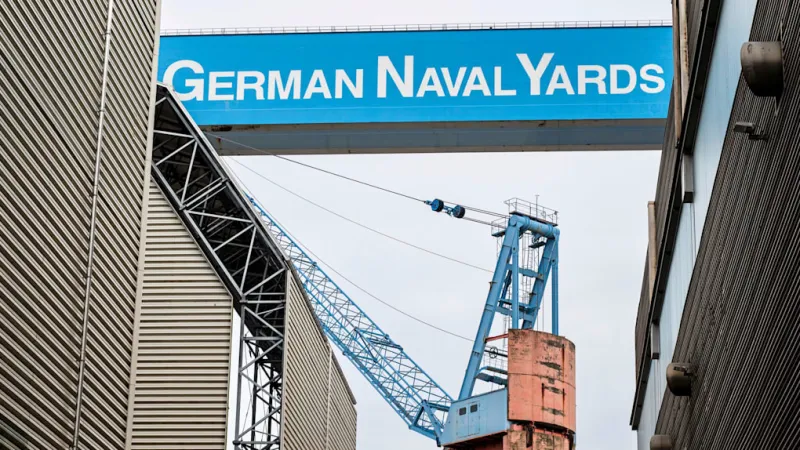
Kiel, Germany – A significant strategic acquisition battle is underway for German Naval Yards (GNY), the nation's last universal shipyard, as defense giants Rheinmetall and ThyssenKrupp Marine Systems (TKMS) vie for control. The outcome will profoundly impact Germany's ambitious naval rearmament program, which relies on GNY's crucial role in constructing advanced F126 frigates for the Deutsche Marine.
The potential takeover has captivated Germany's defense sector, highlighting the immense value placed on domestic shipbuilding capabilities in an era of heightened geopolitical uncertainty. GNY stands as a cornerstone of national security, currently participating in the construction of the F126 frigates, a next-generation class of warships vital for the Deutsche Marine's operational readiness.
Industry analysts emphasize that German Naval Yards is not merely a shipyard but a strategic asset, capable of managing complex naval projects from design to delivery. This universal capacity, now rare in Germany, positions the company as a key enabler for the nation's broader military modernization efforts.
Rheinmetall, traditionally a powerhouse in land systems and armaments, appears keen to expand its footprint into the naval domain. An acquisition of German Naval Yards would represent a significant diversification for the Dusseldorf-based company, providing a direct entry into high-value naval shipbuilding contracts. This strategic shift aligns with a broader trend among defense contractors to offer comprehensive solutions across multiple domains.
Conversely, ThyssenKrupp Marine Systems, a long-established leader in submarine and warship construction, views GNY as a natural fit, consolidating its dominant position within the German naval industry. TKMS already possesses extensive expertise and infrastructure, and integrating GNY would streamline production capabilities and potentially reduce competition for future naval contracts.
The strategic importance of the German Naval Yards extends beyond current projects. With warnings like NATO Attack Possible by 2030, UK Premier Warns underscoring the urgency of defense preparedness, Germany is actively pursuing a robust military build-up. The control of critical infrastructure like GNY becomes paramount in this context.
Germany's commitment to enhancing its defense capabilities, as seen in increased budget allocations and calls for developing indigenous stand-off weapons, places the Kiel facility at the heart of national policy. As noted in articles such as Germany Urged to Develop Own Stand-Off Weapons, the ability to independently produce and maintain naval assets is a key component of sovereign defense.
The F126 frigates, a centerpiece of this modernization, are designed for multi-role operations, including anti-submarine warfare and air defense, underscoring the sophistication required from their builders. GNY's involvement ensures that German expertise remains central to these vital projects.
While specifics of potential bids remain under wraps, the bidding war signals strong market confidence in the future of the German defense industry. Whichever conglomerate prevails, the acquisition will likely lead to significant investment and potentially new job opportunities in the Kiel region, a traditional hub for shipbuilding.
The German government will undoubtedly monitor the proceedings closely, given the national security implications. Maintaining a strong domestic industrial base for defense production is a core tenet of Germany's current strategic outlook, making the fate of German Naval Yards a matter of national interest. The ultimate victor will gain a formidable advantage in shaping Germany's maritime future.