 Angela Stefani
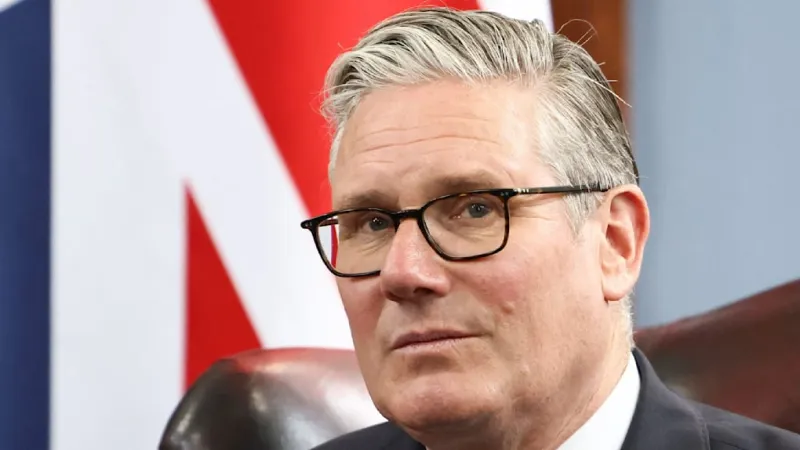
British Prime Minister Keir Starmer issued a stark warning today, asserting that Russia could launch an attack on NATO member states as early as 2030. The alarming assessment stems from analyses by British and other Western intelligence services, prompting Starmer to declare this period the "most dangerous and insecure time" of his life.
The Premier’s pronouncement underscores a growing apprehension within Western capitals regarding Moscow’s long-term strategic intentions and its willingness to challenge international norms. The forecast, projecting potential aggression within four years, demands immediate and robust strategic reconsideration across the transatlantic alliance.
Intelligence agencies reportedly monitor various indicators, including Russia’s military posture, rearmament efforts, and its increasingly hostile rhetoric towards the West. These factors contribute to a comprehensive threat assessment that points to an escalating risk of direct confrontation with NATO members.
Starmer emphasized the critical need for vigilance and preparedness among NATO allies. This warning serves as a significant call for accelerated defense spending, enhanced military readiness, and a unified front against potential future Russian aggressions. The alliance's collective defense, enshrined in Article 5, stands as its core deterrent.
Geopolitical analysts suggest this timeframe reflects a window in which Russian military capabilities could recover and expand sufficiently to pose a credible threat to the alliance’s eastern flank. The ongoing conflict in Ukraine has already demonstrated Russia's capacity and resolve for large-scale military operations.
Recent statements from Moscow have further fueled these concerns. President Vladimir Putin has repeatedly warned the West that sanctions undermine global trust, risking stability, and has accused European elites of inciting chaos. Such rhetoric, coupled with military maneuvers, contributes to the perceived threat.
The implications of such a conflict would be catastrophic, not only for the nations directly involved but for global stability and economic systems. The prospect of an attack on NATO, a defensive alliance formed to secure peace in Europe, represents a profound shift in international security.
The British Prime Minister's grave assessment arrives amid broader discussions on European security architecture, particularly following the comprehensive aid packages approved by various Western nations for Ukraine. The House approval of Ukraine aid, for instance, highlights ongoing efforts to bolster resistance against Russian influence.
Starmer's personal reflection, categorizing the current geopolitical climate as the most perilous of his life, underscores the seriousness with which this threat is being viewed at the highest levels of government. His statement is a stark departure from typical diplomatic language, signalling an urgent need for action.
NATO leadership has consistently stressed the importance of strengthening deterrence and defense. This latest intelligence assessment provides a concrete timeline for such efforts, demanding an immediate re-evaluation of current defense strategies and investment priorities across all member nations.
The alliance must now consider how to effectively deter a potential Russian attack while simultaneously preparing to defend its territory and its values. This includes reinforcing conventional forces, modernizing military equipment, and enhancing cybersecurity defenses against hybrid threats. The 2030 timeline offers a critical, albeit narrow, window for these preparations.