 Edward DP Situmorang
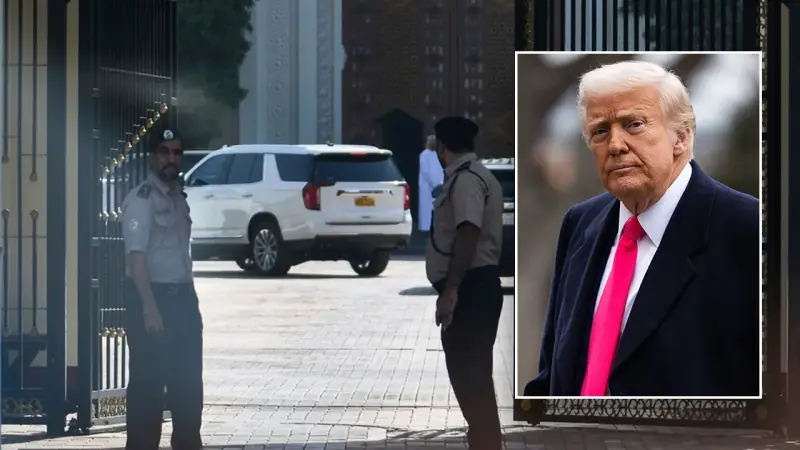
WASHINGTON — President Donald Trump today declared the long-standing conflict with Iran "terminated," marking a pivotal moment in US foreign policy and fulfilling a critical congressional deadline. The announcement, made from the White House, signals a significant de-escalation of tensions that have characterized relations between the two nations for years.
The President's statement arrived just hours before a legislative mandate requiring his administration to report on its strategy for confronting Iranian aggression or demonstrating a path to disengagement. His use of the word "terminated" indicates a definitive shift from the confrontational posture that has defined his administration's approach to Tehran since taking office.
This congressional deadline originated from a bipartisan resolution passed in late 2025, which sought to reassert legislative oversight on military engagements and the broader direction of US foreign policy in volatile regions. Lawmakers expressed growing concern over the potential for an uncontrolled escalation in the Middle East.
Relations between Washington and Tehran have been fraught with antagonism, particularly following the 2018 withdrawal from the Joint Comprehensive Plan of Action. Subsequent punitive sanctions, regional proxy conflicts, and naval skirmishes in the Persian Gulf have kept both nations on high alert, with observers frequently warning of imminent confrontation.
While specific details on what "terminated" entails are pending further clarification, analysts suggest it could mean a cessation of aggressive military posturing, a freeze on certain covert operations, or even the opening of new, albeit limited, diplomatic channels. This move could redefine America's strategic priorities in the region.
The declaration has already begun to ripple across international capitals. Allied nations in Europe and the Middle East, many of whom have urged de-escalation, are likely to cautiously welcome the news. However, regional adversaries of Iran may view the development with apprehension, questioning the implications for their own security.
Domestically, the President's announcement is expected to generate varied reactions. Supporters will likely hail it as a decisive achievement, delivering on a promise to reduce foreign entanglements and prioritize American interests. Critics, however, may scrutinize the timing and the potential long-term consequences of such a broad declaration without a detailed strategic rollout.
The move also has significant economic implications. Global oil markets, historically sensitive to Middle East instability, could see shifts in response to perceived de-escalation. The potential for reduced maritime risk in critical shipping lanes might influence energy prices and international trade flows.
Senior administration officials, speaking on background, indicated that the declaration is not an abandonment of US interests or its allies in the region but rather a recalibration of how those interests are protected. They emphasized a shift towards more targeted diplomacy and economic pressure, rather than overt military confrontation.
The coming weeks will undoubtedly bring further insights into the operational meaning of President Trump's declaration. As the administration prepares to brief Congress and international partners, the world watches to see if this pivot genuinely marks the end of an era of direct conflict and the dawn of a new, albeit complex, relationship with Iran.