 Angela Stefani
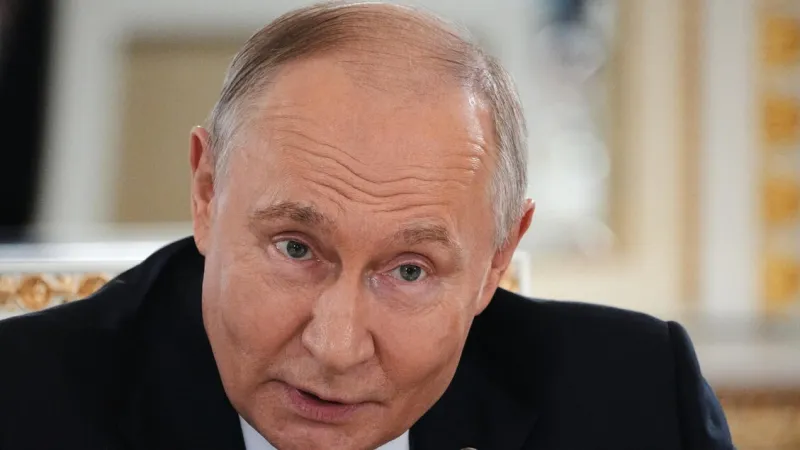
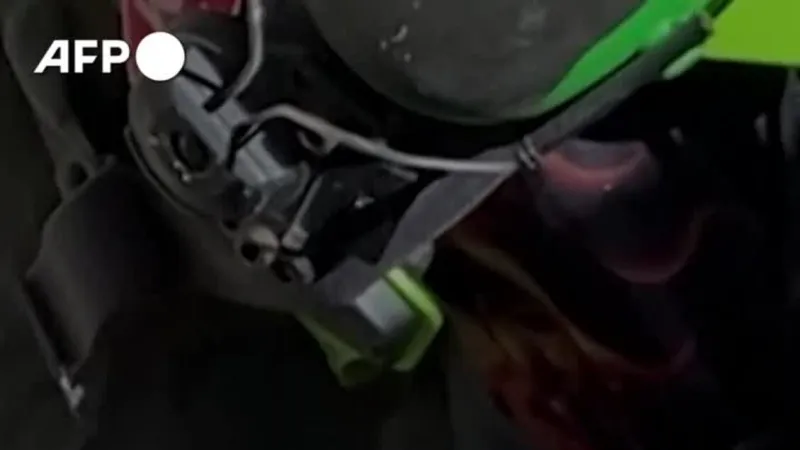
CONSTANTA, Romania – President Vladimir Putin has leveled accusations against European elites, claiming they are actively "provoking chaos," a statement that arrives concurrently with a naval drone explosion in the crucial Black Sea port of Constanta, Romania. Ukrainian authorities swiftly asserted ownership of the drone, alleging it was diverted by Russian forces, further escalating regional tensions.
The incident in the NATO member state of Romania marks a significant development in the ongoing conflict, bringing the kinetic reality of the war closer to the Alliance's borders. While details surrounding the drone's origin and trajectory remain subject to investigation, Kievs immediate attribution points to a pattern of what it calls Russian aggressive tactics.
Putin's commentary, delivered during a recent address, underscored the Kremlin's long-standing narrative that Western powers, particularly European leadership, bear responsibility for the protracted conflict in Ukraine. He emphasized that these actions risk broader instability across the continent.
"The European elites are provoking chaos," Putin reportedly stated, signaling Moscow's view of what it perceives as an antagonistic posture from various European capitals. This rhetoric aims to frame the conflict not as a Russian aggression, but as a reaction to external instigation.
The drone explosion near the Romanian coastline highlights the increasingly volatile environment in the Black Sea. This body of water has become a critical strategic battleground, essential for both military movements and vital grain exports. Attacks and counterattacks involving naval drones have become a hallmark of the conflict.
Ukrainian officials, responding to the Constanta incident, declared the drone "was ours, diverted by the Russians," implying a sophisticated electronic warfare or cyber intervention by Moscow. This claim, if substantiated, would indicate Russias advanced capabilities in disrupting enemy assets.
Romanias Ministry of Defense initiated an immediate investigation into the explosion, assessing the extent of damage and confirming the nature of the device. Initial reports indicated no significant casualties or structural damage to port infrastructure, though the psychological impact on the maritime community remains palpable.
The Black Sea region has witnessed a surge in drone activity, both aerial and naval, since the escalation of the conflict. A previous incident saw a Black Sea port rocked by a drone blast, underscoring the persistent threat to shipping and coastal installations.
Analysts suggest Putins remarks about European elites are designed to sow division within the European Union and NATO, potentially weakening the coalition supporting Ukraine. Such statements often precede or accompany military maneuvers or political pressure points.
The broader context of European unity faces scrutiny, with the question of whether European leaders face fury and citizen anger is misunderstood, a sentiment Putin appears keen to exploit.
The United States, under President Donald Trump, has continued to monitor the situation closely, emphasizing support for NATO allies and condemning any actions that destabilize the Black Sea region. International calls for de-escalation persist amidst the rising tensions.
Meanwhile, efforts to provide aid to Kiev continue to navigate complex political landscapes. The House has approved Ukraine aid, but its path through the Senate often faces bipartisan challenges, reflecting varying degrees of commitment to the long-term conflict.
The incident in Constanta adds another layer of complexity to the already strained relationship between Russia and the West. It forces a renewed focus on maritime security and the protection of crucial shipping lanes in the Black Sea, which are vital for global trade.
Experts in international relations note that such events serve as reminders of the potential for miscalculation and unintended escalation in heavily militarized zones. Maintaining clear communication channels and adhering to international maritime law become paramount.
While Romania reaffirmed its commitment to NATO, the drone explosion within its territory demands a robust response and further intelligence gathering to prevent future incursions or incidents that could trigger Article 5 collective defense protocols.
The incident also highlights Ukraines continued ingenuity in developing and deploying naval drones as asymmetric warfare tools, even as Russia adapts its defenses and counter-measures.
The ongoing struggle in Ukraine, now in its fourth year, shows no signs of abatement, with both sides employing increasingly sophisticated weaponry and strategies. The Black Sea remains a critical frontier in this evolving conflict.
As investigations proceed in Constanta, the international community watches warily, aware that incidents involving NATO territory, however minor, carry significant geopolitical weight and potential for broader conflict.