 Stefani Rindus
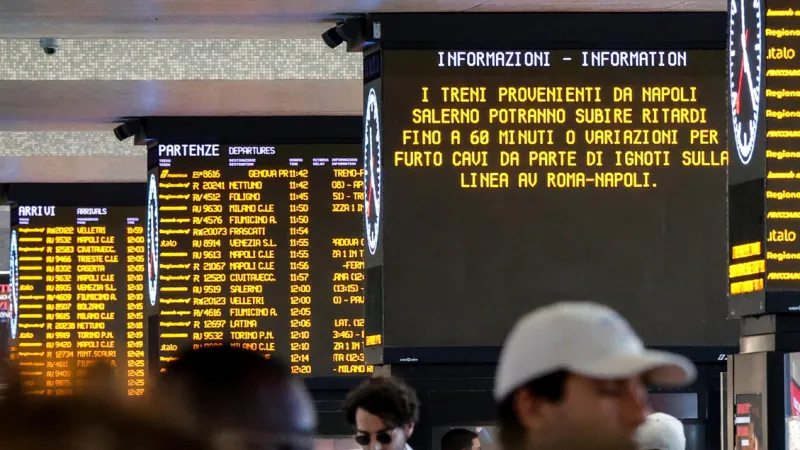
ROME, Italy – Passengers across Italy are experiencing substantial train delays, with the high-speed Rome-Naples line particularly affected by infrastructure damage that has led to waits of up to 90 minutes. Rete Ferroviaria Italiana (RFI), the national railway infrastructure manager, has responded to public frustration by asserting that rail service abroad often experiences far greater disruptions, a claim swiftly countered by political opposition.
The widespread Italian rail disruptions have once again cast a spotlight on the nation's transportation infrastructure. Commuters and travelers on the critical high-speed connection between the capital and Naples bore the brunt of the delays, with numerous trains running behind schedule throughout the day, significantly impacting travel plans and productivity.
While the precise nature and cause of the damage to the high-speed line were not immediately detailed by RFI, the incident reignited a long-standing debate about the reliability and maintenance of Italy's extensive rail network. The company's defensive stance, comparing domestic performance to international standards, suggests an effort to mitigate public and political pressure.
In response to the mounting public exasperation, the Five Star Movement (M5s), a prominent political party, issued a scathing critique. A spokesperson for the movement stated, "Italians are now exasperated by these continuous disruptions. Comparing our situation to other countries does not absolve RFI of its responsibility to deliver efficient and reliable service." This statement underscores the political dimension of the ongoing rail challenges.
The public's frustration is palpable, with many citizens relying heavily on the rail system for daily commutes and long-distance travel. Social media platforms buzzed with complaints of missed appointments, lost work hours, and general inconvenience, highlighting the tangible impact of service interruptions on everyday life.
RFI's justification, emphasizing that conditions are often "much worse abroad," attempts to frame the Italian experience within a broader global context of railway operations. However, critics argue that this comparison overlooks the specific expectations and investment levels within Italy, and does not address the immediate needs of its commuters.
Frequent disruptions on key routes, including the high-speed network, can have a cascading economic effect. Businesses dependent on timely deliveries, tourism operators, and individual workers all face consequences when the primary arteries of national transport falter, even temporarily.
Experts often point to the need for continuous investment in maintenance, modernization, and resilience planning to combat the effects of aging infrastructure and unforeseen events. The current incident serves as a fresh reminder of these enduring challenges for Italian rail.
The political landscape is also becoming increasingly involved, with calls for greater oversight and accountability from government entities regarding RFI's operations. This incident could potentially fuel demands for infrastructure reforms and more transparent reporting on service quality.
As the nation grapples with these persistent challenges, the dialogue between the public, political stakeholders, and RFI intensifies. The demand for a modern, efficient, and dependable rail system remains a high priority for millions of Italian citizens. The ongoing debate surrounding delays and RFI's defensive posture illustrates the complex intersection of public service, political scrutiny, and national pride in infrastructure.