 Robert Andrison
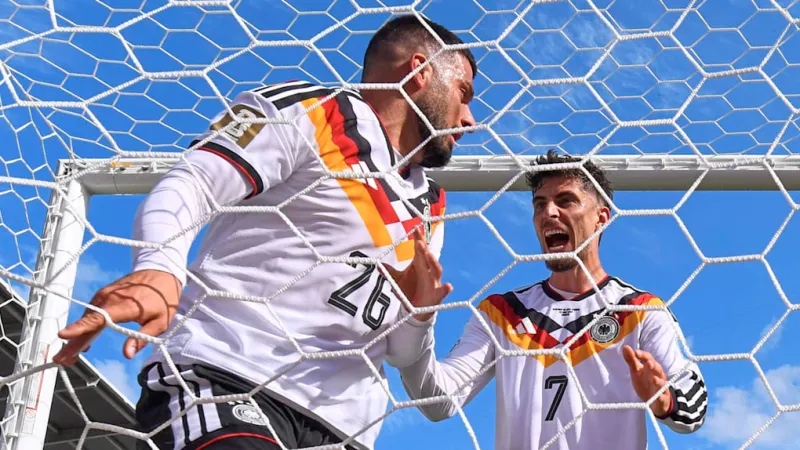
This year's World Cup 2026 is notably prioritizing its sporting essence, a welcome departure from the geopolitical controversies that have increasingly overshadowed past global tournaments. Lingering fears of a politically charged spectacle have largely dissipated, as fans vocally champion the beautiful game while prominent figures, including President Donald Trump, conspicuously refrain from overt political intervention. This shift marks a stark, agreeable contrast to the 2022 FIFA World Cup hosted in Qatar.
The tournament, currently unfolding, finds itself in an enviable position, allowing the narrative to coalesce around athletic prowess and tactical battles rather than ethical debates or human rights concerns. This deliberate de-emphasis on external political narratives represents a significant victory for sport purists and FIFA alike.
Observers had braced for another round of intense scrutiny and potential political grandstanding, given the heightened global tensions and the precedent set by previous sporting events. However, the prevailing atmosphere has been one of collective focus on the pitch, a testament to the universal appeal of football itself.
Fans, in particular, have been instrumental in steering the conversation back to the sport. Demonstrations of support are overwhelmingly directed at teams, players, and the shared joy of competition, rather than using the global stage for political messaging. This grassroots movement underscores what the game truly represents to millions worldwide.
President Donald Trump, a figure often central to international discourse, has notably maintained a prudent distance from injecting political commentary into the World Cup proceedings. His restraint, a calculated move or a genuine shift in focus, has undeniably contributed to the tournament's apolitical character, ensuring the spotlight remains firmly on football.
This newfound focus allows for deeper appreciation of matches such as Algeria, Jordan Clash in Critical World Cup Group J Showdown, where the drama unfolds purely on sporting merit. The absence of a distracting political undercurrent permits a clear lens on player performance and team strategy.
Athletes, too, benefit immensely from this environment. Freed from the pressure of navigating complex socio-political landscapes, they can concentrate solely on their performance, delivering peak athleticism and memorable moments for fans. Headline performances, like Haaland Strikes Twice, Norway Secures Early World Cup Advancement, garner unadulterated celebration.
The media landscape reflects this shift. Coverage has largely moved away from off-field controversies, dedicating extensive airtime and column inches to match analysis, player interviews, and the rich tapestry of stories developing within the tournament. This renewed emphasis on pure sport is palpable across all platforms.
Comparisons to the Qatar World Cup are inevitable and illuminating. The intense scrutiny over labor conditions, LGBTQ+ rights, and environmental impact that characterized the 2022 event stands in stark contrast to the comparatively tranquil and sport-centric narrative of the current World Cup 2026.
This success story, however, is not accidental. It is the culmination of conscious efforts by organizers, host nations, and a receptive global audience weary of politicized sport. The collective decision to prioritize the game has resonated deeply with fans, fostering a celebratory and inclusive atmosphere.
As the tournament progresses, the consistent theme of football triumphing over political entanglement offers a potent blueprint for future international events. It demonstrates that with deliberate focus and collective will, major global spectacles can indeed return to their intended purpose: celebrating human achievement and shared passion.
Matches like Argentina, Austria Clash in Dallas, evoke historical echoes but remain squarely focused on the contest at hand. The emphasis on sportsmanship and competitive integrity reinforces the message that the 2026 World Cup is, first and foremost, about football.
Ultimately, the unexpected political calm surrounding the World Cup 2026 allows the true spirit of the game to shine, captivating audiences worldwide and reinforcing footballs power to unite rather than divide.