 Dorry Archiles
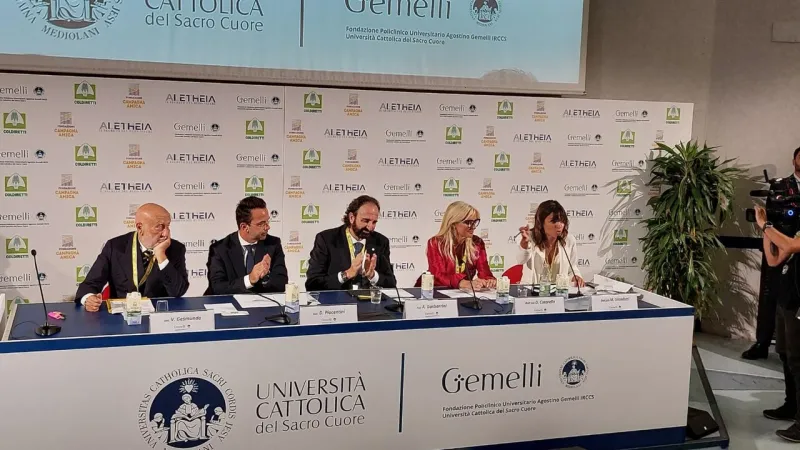
Rome – A new report released by Coldiretti and Censis indicates that nearly one in two Italians consumes salty snacks at least once a week, highlighting a persistent trend in dietary habits despite a high level of public awareness regarding healthy eating. The joint study, published in 2026, underscores a societal disconnect between understanding nutritional importance and actual consumption patterns.
The comprehensive Coldiretti-Censis report, titled “Italians and Food Choices,” delves into the evolving relationship between the nation's citizens and their nutritional intake. Its findings provide stark insight into the challenges of promoting healthier lifestyles amidst readily available processed foods. The research involved thousands of participants across various demographics.
A significant revelation from the study is that 97% of Italians comprehend the crucial link between alimentation and overall health. This near-universal understanding suggests that educational campaigns about healthy eating have been largely successful in conveying information, yet behavioral changes often lag behind knowledge.
This paradox forms the core of the report's concerns. While Italians exhibit a profound theoretical grasp of healthy eating principles, practical application frequently falters when confronted with convenient and often highly palatable options like salty snacks. The frequency of weekly consumption points to a normalization of these items within the average Italian diet.
Researchers attribute the elevated consumption of savory snacks to several factors, including increasingly busy lifestyles that favor quick meal replacements or appetite suppressants, aggressive marketing strategies by food manufacturers, and the widespread availability of such products in supermarkets, convenience stores, and vending machines.
The consistent intake of high-sodium, often calorie-dense, salty snacks can contribute to various public health issues. Experts cited in the report warn of increased risks for conditions such as hypertension, obesity, and cardiovascular diseases, reinforcing the urgent need for a shift in dietary practices.
Coldiretti, Italy's largest farmers association, emphasized the importance of promoting traditional Italian dietary values, which prioritize fresh, seasonal, and minimally processed ingredients. A spokesperson stated, “Our heritage is built on the Mediterranean diet, a model of health and longevity. These consumption patterns move us away from that ideal.”
Censis, a prominent Italian socio-economic research institute, focused on the cultural and social aspects. A representative highlighted, “The data reflects a broader societal shift where convenience often triumphs over conscious choice. This is not merely an individual failing but a systemic challenge requiring collective effort.”
The report also touched upon generational differences, noting that younger demographics show a higher propensity for frequent snack consumption, influenced by peer culture and social media trends. Older generations, while not immune, generally adhere more closely to traditional eating habits.
These findings are likely to prompt discussions among policymakers regarding potential public health interventions. Strategies could include further nutritional labeling regulations, educational programs targeting specific age groups, or incentives for retailers to stock healthier alternatives.
The consumption trends also have broader economic implications, affecting both the agricultural sector and the healthcare system. A pivot towards healthier eating could bolster local produce markets while potentially reducing long-term healthcare expenditures associated with diet-related illnesses.
The Coldiretti-Censis report serves as a critical barometer of Italian dietary health in 2026, revealing a pervasive habit of consuming salty snacks that stands in contrast to widespread nutritional understanding. The path forward requires a concerted effort to bridge this gap between knowledge and behavior, safeguarding the nation's well-being.