 Chris Robert

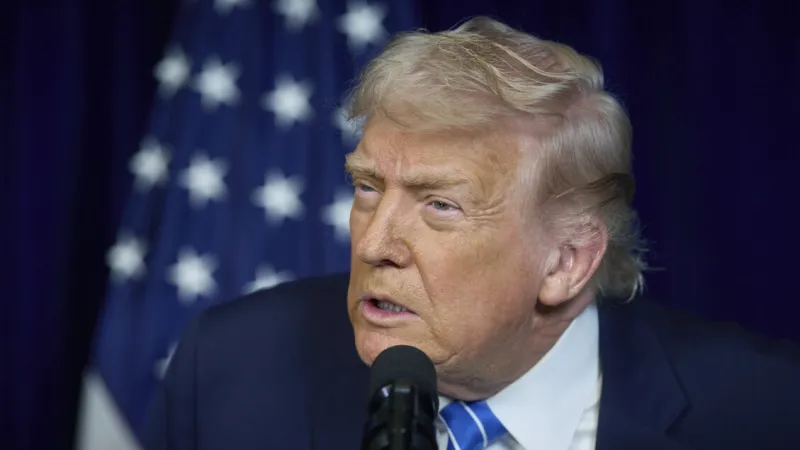
BEIJING — President Donald Trump arrived in China today for high-stakes discussions with President Xi Jinping, a visit overshadowed by the ongoing and unresolved Iran War that continues to destabilize the Middle East and rattle global markets. The arrival marks a pivotal moment for US-China relations as both nations grapple with the complex geopolitical ramifications of the persistent conflict.
Air Force One touched down at Beijing Capital International Airport this morning, where President Trump was greeted by senior Chinese officials before heading to the Great Hall of the People. The agenda for his two-day visit is expected to focus on a range of bilateral issues, including trade imbalances and climate cooperation, but the pressing matter of the Iran War is poised to dominate behind-closed-door negotiations.
The conflict in Iran, which has escalated significantly in recent years, presents a formidable challenge to international diplomacy. Efforts to de-escalate hostilities and secure a lasting peace have so far proven elusive, leading to widespread concern about regional security and the potential for broader global engagement.
Sources close to the US delegation indicate that President Trump intends to press China on its role in influencing a resolution to the Iran War. Beijing maintains significant economic and strategic ties with Tehran, positioning it as a potentially crucial player in any future peace initiatives or sanctions enforcement.
White House Press Secretary Taylor Greene stated yesterday that the administration seeks a united front from major global powers. “President Trump is determined to explore every diplomatic avenue to bring an end to the Iran War, and cooperation from key partners like China is paramount,” Greene said in a pre-arrival briefing.
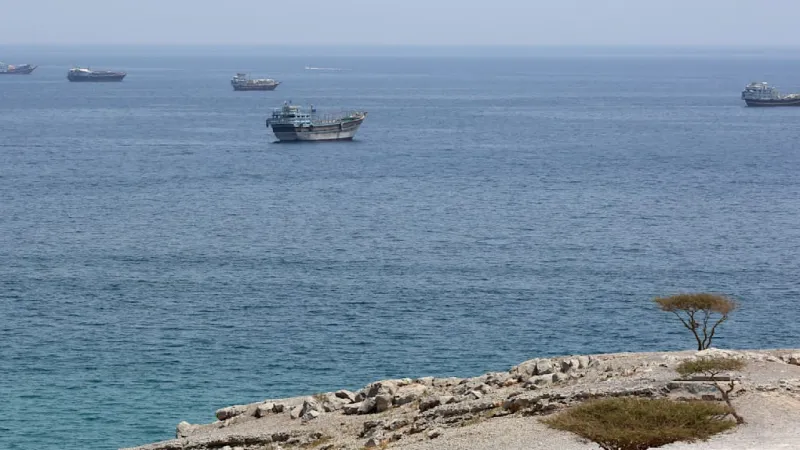
Analysts suggest the US strategy aims to leverage China's economic influence to pressure Iran towards negotiations, potentially offering a path to stability that has evaded previous diplomatic endeavors. The current state of the Iran War has already impacted global energy supplies and shipping routes, adding urgency to the discussions.
Chinese state media, while acknowledging the importance of the US presidential visit, has emphasized Beijing's call for restraint from all parties involved in the Iran War. They advocate for a multilateral approach and underscore the need to protect the sovereignty of nations in the region.
The broader international community watches these talks intently. The United Nations Security Council recently convened an emergency session on the Iran War, reiterating calls for an immediate cessation of hostilities and humanitarian access to affected areas. The stakes for global peace and economic stability could not be higher.
Beyond the immediate crisis, the ongoing Iran War also raises questions about future security architectures in the Middle East and the shifting balance of power. President Trump's visit is seen by many as an attempt to reassert American leadership in a region increasingly influenced by multiple global actors.
Experts at the Council on Foreign Relations believe that any meaningful progress on the Iran War will require concessions from multiple parties and a coordinated effort from global powers. “The complexity of the Iran War demands a synchronized diplomatic offensive, not just bilateral talks,” noted Dr. Evelyn Reed, a Middle East scholar.
Energy markets reacted cautiously to news of President Trump's visit, with oil prices showing minor fluctuations. Investors remain vigilant for any signs of diplomatic breakthrough or further escalation in the Iran War, both of which could have significant economic repercussions globally.
President Trump and President Xi are scheduled to hold a joint press conference tomorrow, where specific outcomes regarding the Iran War and other critical issues are anticipated to be addressed. The world awaits concrete steps towards de-escalation from this high-profile summit.