 Chandra Wijayanto
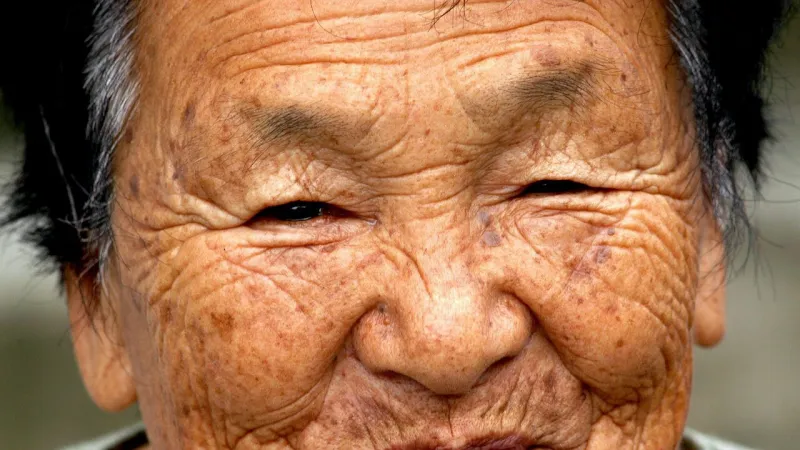
TOKYO – Japanese women have once again achieved the highest life expectancy globally, setting a new record that underscores the nation's exceptional health and societal well-being. This significant milestone solidifies Japan's position as a leader in healthy aging, with women consistently outliving their counterparts worldwide. Simultaneously, Japanese men have made considerable gains, now ranking seventh globally in life expectancy, a notable ascent in international comparisons.
The latest data, compiled from national health statistics, reveals a continuing trend of increasing longevity across the Japanese archipelago. This remarkable achievement for Japanese longevity reflects a confluence of factors, from a culturally ingrained healthy lifestyle to a robust public health infrastructure. The consistent rise in life expectancy presents both a triumph of modern healthcare and a unique set of challenges for the country's demographic landscape.
Experts attribute this sustained longevity primarily to the traditional Japanese diet, which is rich in fish, vegetables, and plant-based foods, and notably low in processed ingredients, red meat, and sugary drinks. This dietary pattern, emphasizing balance and moderation, has been linked to lower rates of chronic diseases such as heart disease, diabetes, and certain cancers, contributing significantly to a longer, healthier life for the population.
Beyond nutrition, Japan's universal healthcare system plays a crucial role. It provides accessible, high-quality medical services, focusing heavily on preventative care and early detection of illnesses. Regular health check-ups and screenings are commonplace, allowing for timely interventions and management of health conditions, thus extending life spans and improving quality of life for its citizens.
Furthermore, an active lifestyle is deeply embedded in Japanese culture. Many older adults remain physically active, participating in daily walks, community exercises, and traditional activities. Strong social networks and intergenerational support systems also contribute to mental well-being, reducing feelings of isolation and stress, which are critical determinants of overall health and longevity.
The implications of this exceptional longevity are far-reaching. While a testament to a healthy society, it also places immense pressure on Japan's social security, pension, and healthcare systems. The nation faces the complex task of adapting its infrastructure and policies to support an increasingly aging population, ensuring dignified and sustainable care for its senior citizens.
Government initiatives and private sector innovations are actively addressing these demographic shifts. Efforts include promoting active aging, developing advanced geriatric care technologies, and encouraging continued participation of older adults in the workforce and community life. These strategies aim to transform the challenge of an aging society into an opportunity for innovation and social cohesion.
The ascent of Japanese men to the seventh position globally also signifies a broader improvement in male health outcomes within the country. While women have historically led in life expectancy, the narrowing gap reflects positive changes in male lifestyle choices, improved access to care, and greater awareness of health issues among men.
Compared to other developed nations, Japan's longevity figures stand out. Many Western countries grapple with rising rates of obesity and lifestyle-related diseases, often resulting in stagnating or declining life expectancies in certain demographics. Japan's success offers valuable insights into effective public health strategies and sustainable models for healthy aging that could inform global health policies.
The global trend of increasing life expectancy continues to present both opportunities and challenges for societies worldwide. As nations strive to enhance their citizens' well-being, Japan's consistent leadership in longevity provides a compelling case study on the enduring impact of holistic health approaches, encompassing diet, healthcare, and community engagement. The ongoing pursuit of greater understanding regarding the unique factors driving Japanese longevity remains a vital area of demographic and public health research.