 Dodi Irawan
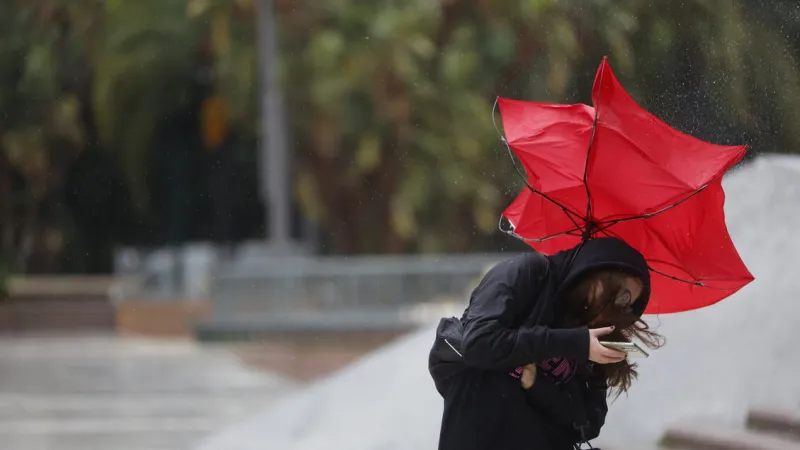
MILAN - A significant meteorological shift is poised to redefine Italy's summer, as a prolonged period of intense heat yields to the imminent threat of severe thunderstorms. Forecasters anticipate the arrival of heavy rainfall and potent winds, with a particular risk of damaging downbursts, across the nation's northern regions commencing the afternoon of July 1st.
The dramatic change marks a sharp pivot from weeks of sweltering conditions that have gripped the Italian peninsula. Residents, particularly those in the north, are urged to prepare for an abrupt weather transition characterized by rapid atmospheric instability.
Meteorological models indicate that the northernmost territories, including Lombardy, Piedmont, Veneto, and Trentino-Alto Adige, will experience the initial brunt of these weather systems. Authorities are closely monitoring the developing situation, emphasizing the potential for localized but intense weather phenomena.
Experts define a downburst as a column of sinking air within a thunderstorm, causing damaging straight-line winds on or near the ground. These powerful gusts can rival tornado-force winds, posing a considerable threat to infrastructure, vegetation, and public safety.
The atmospheric instability is a result of a cold front making its way across Europe, colliding with the residual warm, moist air over Italy. This interaction creates ideal conditions for the rapid development of robust convective cells capable of producing sudden and violent weather events.
While the termination of the heatwave may offer some relief from oppressive temperatures, the ensuing storms present a different set of challenges. Flash flooding, disrupted travel, and power outages are among the potential consequences of such vigorous weather activity.
This shift follows a period when much of Europe has grappled with extreme heat. Concerns over the impact of such conditions have been widespread, as detailed in reports like Europe's Heat Crisis: Over 1,300 Deaths Reported Weekly. The Italian experience mirrors a broader continental pattern of severe weather events.
Local civil protection agencies have begun issuing preliminary warnings, advising citizens to remain vigilant and follow official updates. Recommendations include securing outdoor objects, avoiding non-essential travel during peak storm activity, and seeking shelter in sturdy buildings.
Agricultural sectors, particularly in regions susceptible to hail and strong winds, face a heightened risk of crop damage. Farmers are taking precautionary measures, though the sudden nature of downbursts often leaves little time for effective mitigation.
The transition underscores the increasing volatility of seasonal weather patterns. As the country braces for the impact, the focus remains on preparedness and ensuring public safety amid these significant atmospheric changes.
Further updates are expected as the weather system progresses, providing more localized forecasts and emergency instructions for affected areas across northern Italy.